
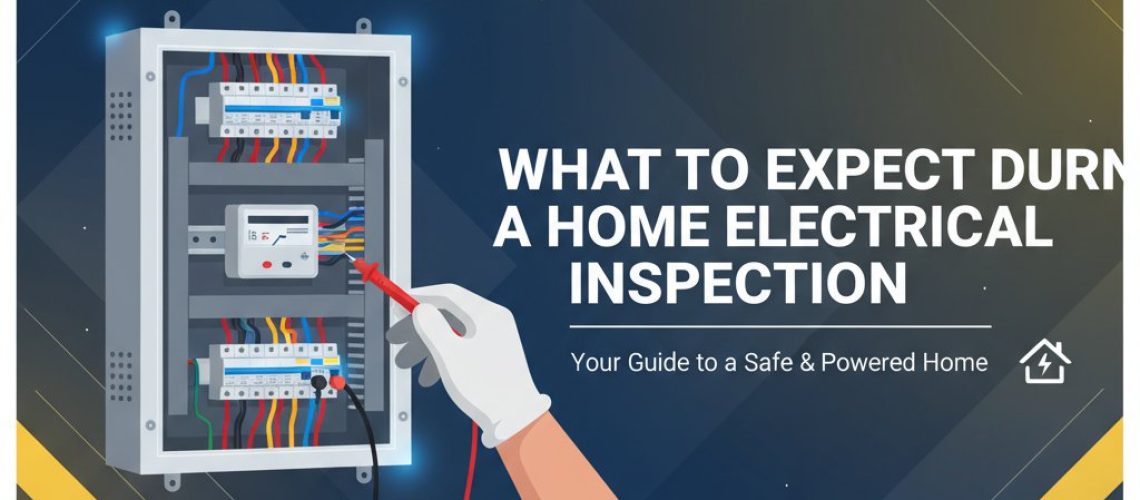
When you schedule a residential electrical inspection, understanding the process can ease concerns and help you prepare properly. Whether you’re buying a home in Boca Raton, renovating your Miami Beach condo, or simply ensuring your family’s safety, a comprehensive electrical safety inspection provides invaluable peace of mind. This guide walks you through exactly what happens during a professional home electrical inspection, why it matters in South Florida’s unique climate, and how to make the most of this critical service.
Why Residential Electrical Inspections Matter in South Florida
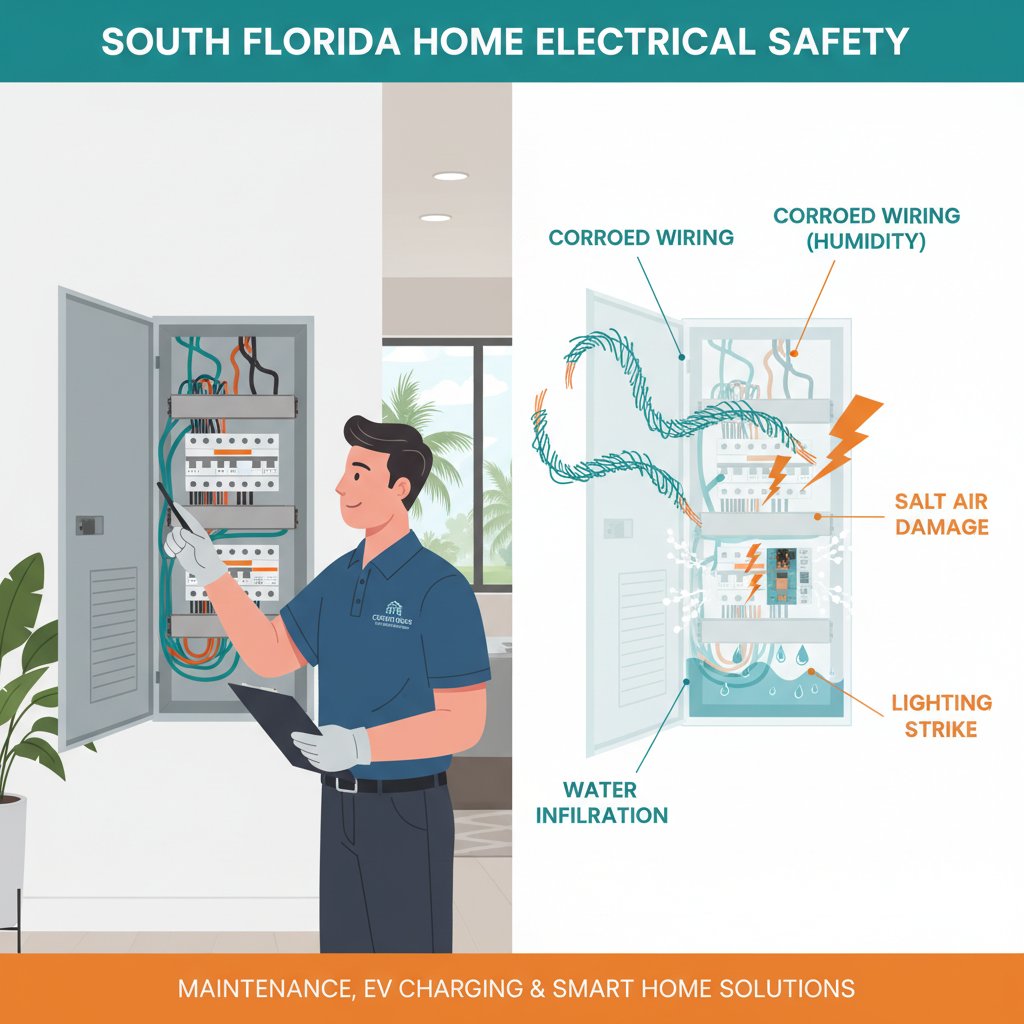
South Florida homes face unique electrical challenges that make regular inspections especially important. The combination of intense humidity, frequent thunderstorms, salt air in coastal areas, and hurricane season creates conditions that accelerate wear on electrical systems. Moisture infiltration can compromise connections, corrosion can develop on panels and outlets, and power surges from lightning strikes can damage components without visible signs.
Beyond environmental factors, many homes in Palm Beach, Broward, and Miami-Dade counties were built decades ago when electrical demands were significantly lower. Today’s homes require substantially more power to run air conditioning systems, electric vehicle chargers, smart home devices, and modern appliances. An electrical inspection reveals whether your system can safely handle these increased demands or requires upgrades.
When You Need an Electrical Safety Inspection
Several situations warrant scheduling a professional residential electrical inspection:
- Home Purchase: Before closing on any property, a thorough inspection identifies potential problems and safety hazards that could cost thousands to repair
- Selling Your Home: Proactive inspections help address issues before buyers discover them, potentially avoiding deal-breaking negotiations
- Renovation Projects: Major remodels provide the perfect opportunity to assess your entire electrical system’s condition
- Age of Home: Homes over 25 years old should receive inspections every 3-5 years to catch deteriorating components
- Frequent Circuit Breaker Trips: Recurring electrical issues signal underlying problems requiring professional evaluation
- Adding Major Appliances: Installing EV chargers, pool equipment, or whole-home generators requires verification that your system can handle the additional load
- Storm Damage: After hurricanes or severe weather, inspections ensure hidden damage hasn’t compromised safety
Pre-Inspection Preparation
Before your scheduled inspection, take these steps to ensure the process goes smoothly:
Clear access to your electrical panel, subpanels, and any junction boxes. Inspectors need unobstructed access to thoroughly examine these critical components. If your panel is in a garage, closet, or utility area, remove stored items blocking the way.
Create a list of any electrical concerns you’ve noticed, including flickering lights, warm outlets, burning smells, or unusual sounds. This information helps inspectors focus on problem areas while conducting their comprehensive review.
Ensure someone over 18 will be home to provide access to all areas, including attics, crawl spaces, garages, and outdoor structures. Some homeowners aren’t comfortable with inspectors accessing certain spaces alone, which is completely reasonable.
Gather documentation of previous electrical work, permits, and any warranties that might still be valid. This historical information helps inspectors understand your system’s evolution and identify unpermitted work that might not meet South Florida electrical codes.
The Inspection Process: Step by Step
Initial Consultation and Visual Assessment
A professional electrical inspection begins with a conversation about your home’s history, any known issues, and your future electrical needs. The inspector will ask about the home’s age, previous upgrades, and specific concerns you’ve experienced.
The visual assessment covers every room, with inspectors examining outlets, switches, light fixtures, ceiling fans, and visible wiring. They’re looking for improper installations, damage, outdated components, and code violations that could present safety hazards.
Electrical Panel Examination
The main electrical panel receives intense scrutiny during inspections. Inspectors remove the panel cover to examine:
- Wire connections for signs of overheating, corrosion, or loose terminations
- Proper breaker sizing matching wire gauge and circuit requirements
- Panel capacity and available spaces for future circuit additions
- Grounding and bonding connections ensuring safety during faults
- Signs of moisture intrusion, rust, or physical damage
- Proper labeling of circuits for emergency shutoff clarity
- Federal Pacific, Zinsco, or other panels with known safety issues
In South Florida’s humid climate, panel corrosion represents a common finding. Coastal properties especially experience accelerated deterioration from salt air, sometimes requiring earlier panel replacement than homes in other regions.
Testing Outlets and GFCI Protection
Inspectors test every accessible outlet using specialized equipment that verifies proper wiring, grounding, and polarity. Reversed polarity, missing grounds, or open circuits create serious safety hazards that often go unnoticed during daily use.
Ground Fault Circuit Interrupter (GFCI) protection receives special attention in areas where water and electricity might meet—bathrooms, kitchens, garages, outdoor outlets, and near pools. Florida electrical codes require GFCI protection in these locations, and inspectors verify both presence and proper function using test buttons and dedicated testers.
Arc Fault Circuit Interrupter (AFCI) protection, required in bedrooms and living areas of newer homes, also undergoes testing to ensure these life-saving devices function correctly.
Grounding and Bonding Verification
Proper grounding protects your family during electrical faults by providing a safe path for electricity to reach the earth. Inspectors verify grounding electrode systems, checking connections to ground rods, water pipes, or other approved grounding methods.
Bonding ensures all metal components that could become energized during faults connect to the grounding system. This includes metal water pipes, gas lines, structural steel, and other conductive materials throughout the home.
Lighting and Fixture Inspection
All lighting fixtures, ceiling fans, and permanently installed electrical equipment receive examination. Inspectors look for proper installation, adequate support, correct bulb wattages, and appropriate fixture ratings for locations. Recessed lights in insulated ceilings require IC-rated fixtures, while damp or wet locations need appropriately rated fixtures to prevent failures.
Service Entrance and Meter Evaluation
The service entrance where utility power enters your home undergoes careful inspection. Inspectors examine the weatherhead, service conductors, meter base, and connections for damage, corrosion, proper sizing, and code compliance. In older South Florida homes, service upgrades from 100-amp to 200-amp panels frequently become necessary to support modern electrical demands.
Specialized Systems Assessment
If your home includes specialized electrical systems, inspectors evaluate these components:
- EV charging stations for proper installation, circuit sizing, and code compliance
- Generator transfer switches ensuring safe operation during power outages
- Pool and spa electrical systems including bonding, GFCI protection, and proper disconnects
- Smart home systems verifying professional installation and compatibility
- Solar panel systems checking electrical connections and safety disconnects
Common Issues Found During Inspections
Understanding typical findings helps set realistic expectations. In South Florida homes, inspectors frequently discover:
Outdated wiring: Aluminum wiring, knob-and-tube wiring, or deteriorated cloth-insulated wiring presents fire hazards requiring replacement or remediation.
Insufficient capacity: Panel amperage inadequate for current electrical demands, often manifesting as frequently tripped breakers.
Missing GFCI protection: Older homes lacking required GFCI outlets in bathrooms, kitchens, and outdoor areas.
Improper DIY work: Homeowner installations that violate electrical inspection requirements, creating safety hazards and insurance complications.
Corrosion and moisture damage: South Florida’s humidity causing deteriorated connections, corroded panels, and compromised insulation.
Overloaded circuits: Too many devices on single circuits, creating overheating risks and nuisance tripping.
Missing smoke detector interconnection: Modern codes require interconnected smoke detectors, often absent in older homes.
The Inspection Report and Next Steps
Following the inspection, you’ll receive a detailed report documenting findings, including photographs of issues discovered. Quality reports categorize problems by severity:
Safety Hazards: Immediate dangers requiring urgent correction, such as exposed wiring, dangerous panels, or missing grounds.
Code Violations: Installations not meeting South Florida electrical codes, which might not pose immediate danger but require correction.
Recommended Upgrades: Improvements enhancing safety, efficiency, or functionality, though not strictly required.
Reputable inspectors explain findings in clear language, avoiding unnecessary technical jargon. They’ll answer questions, provide repair priority guidance, and offer realistic timelines for addressing issues.
Cost Considerations and Value
Residential electrical inspection costs in South Florida typically range from $200 to $500, depending on home size and scope. While this might seem like an unnecessary expense, inspections often identify problems that could cost thousands to repair after causing damage or hundreds of thousands if electrical fires occur.
For home buyers, inspection findings provide negotiating leverage, potentially saving substantially more than the inspection cost. For current homeowners, early problem detection prevents minor issues from becoming major expenses.
Choosing the Right Inspector
Not all electrical inspections provide equal value. Select inspectors who are:
- Licensed electricians familiar with Florida electrical codes
- Experienced specifically with residential systems in South Florida
- Insured and bonded for your protection
- Willing to provide detailed written reports with photographs
- Available to answer follow-up questions after inspection
At Global Power & AC Corp, our licensed electricians combine comprehensive inspection expertise with same-day service availability throughout Palm Beach, Broward, and Miami-Dade counties. Our 8-year warranty demonstrates confidence in our quality craftsmanship, while our commitment to customer education ensures you understand exactly what your electrical system needs.
Frequently Asked Questions
How long does a residential electrical inspection take?
Most home electrical inspections require 2-4 hours, depending on home size, age, and complexity. Larger homes or properties with specialized systems like solar panels or EV chargers may require additional time for thorough evaluation.
Do I need to be present during the inspection?
While not absolutely required, being present allows you to ask questions, understand findings in real-time, and learn about your electrical system. If you cannot attend, ensure the inspector can access all areas including attics, garages, and electrical panels.
Will the inspector make repairs during the inspection?
Standard inspections identify problems but don’t include repairs. This separation ensures objective assessments. After reviewing findings, you can schedule necessary repairs with qualified electricians who can dedicate proper time and materials to corrections.
How often should I have my home’s electrical system inspected?
Homes over 25 years old benefit from inspections every 3-5 years. Newer homes should receive inspections when buying, selling, after major storms, or when experiencing electrical issues. Proactive inspections prevent problems before they become emergencies.
What electrical codes apply in South Florida?
South Florida jurisdictions adopt the Florida Building Code, which incorporates the National Electrical Code with Florida-specific amendments addressing hurricane preparedness, high humidity, and coastal conditions. Local municipalities may add additional requirements.
Protect Your Home and Family
A professional residential electrical inspection provides critical insights into your home’s safety, reveals upgrade opportunities, and ensures your electrical system can reliably serve your family’s needs. In South Florida’s challenging climate, regular inspections represent essential preventive maintenance that protects your most valuable investment.
Don’t wait for electrical problems to become emergencies. Contact Global Power & AC Corp today to schedule your comprehensive electrical safety inspection. Our licensed electricians serve homeowners throughout Palm Beach, Broward, and Miami-Dade counties with same-day service, transparent pricing, and an industry-leading 8-year warranty. Call us now to ensure your home’s electrical system provides the safety and reliability your family deserves.