
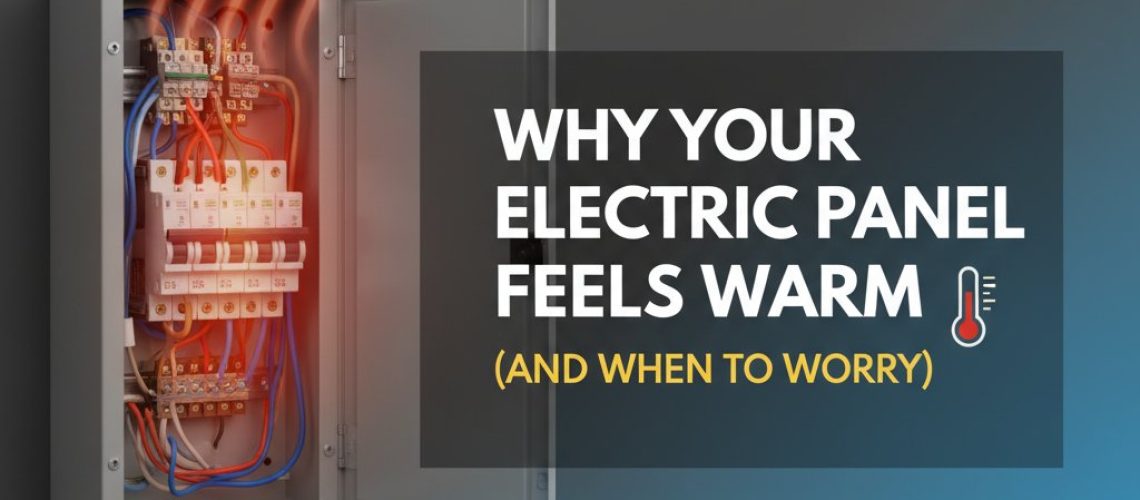
You’ve just touched your electrical panel and noticed it feels warm to the touch. Should you be concerned? While a slightly warm electrical panel can be normal under certain circumstances, understanding the difference between safe warmth and dangerous overheating could prevent a serious electrical fire or system failure in your South Florida home.
Electrical panels are the nerve center of your home’s power distribution system, and they naturally generate some heat during operation. However, excessive heat often signals underlying problems that require immediate attention from licensed professionals. Let’s explore when warmth is normal, when it becomes a red flag, and what South Florida homeowners should know about electrical panel safety.
Understanding Normal Electrical Panel Warmth
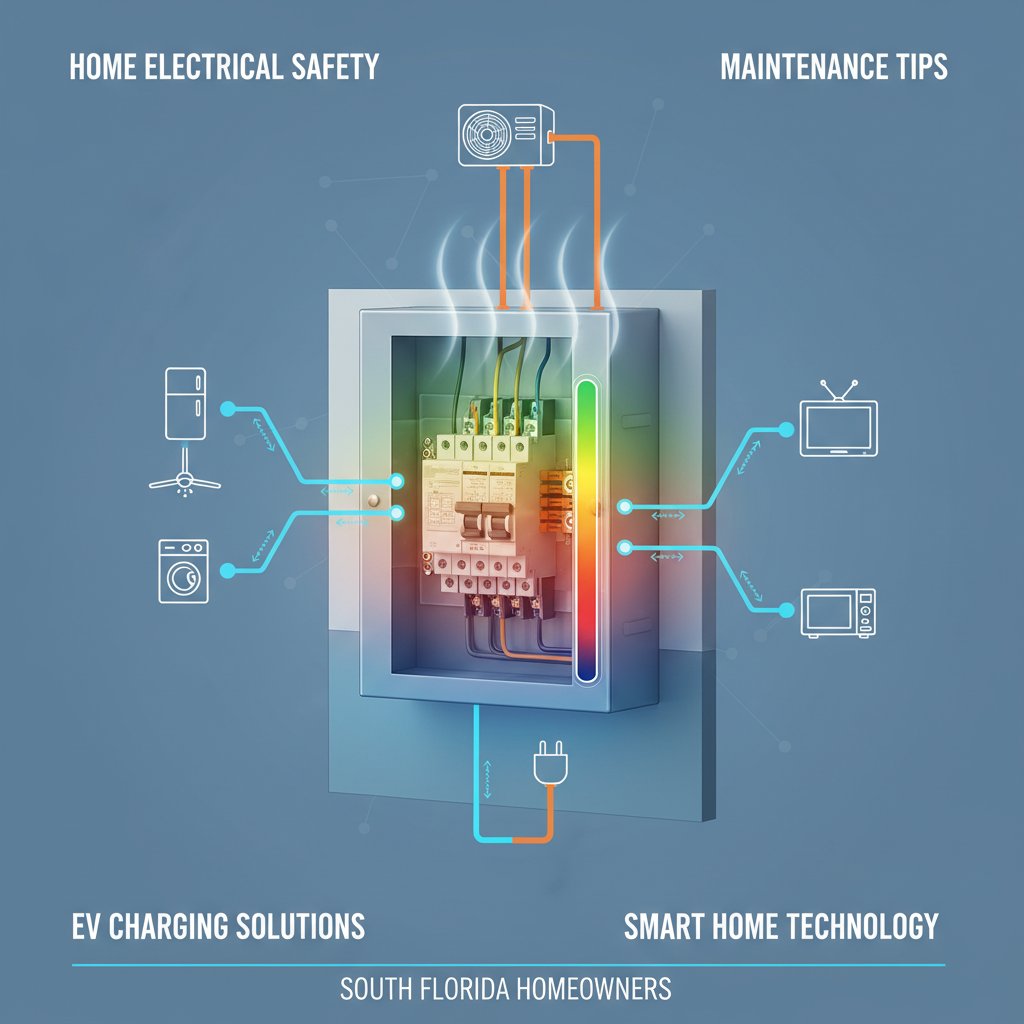
Electrical panels manage significant power loads throughout your home, and this energy transfer inherently produces some thermal energy. A warm electrical panel that’s slightly above room temperature is typically normal, especially during peak usage hours when air conditioning units, appliances, and electronics draw maximum power simultaneously.
In Palm Beach, Broward, and Miami-Dade counties, where air conditioning systems run extensively year-round, electrical panels often work harder than in other regions. The ambient temperature in garage installations or outdoor enclosures can also contribute to panel warmth, particularly during South Florida’s intense summer months.
What Qualifies as Normal Temperature
A properly functioning electrical panel should feel barely warm or just slightly above ambient temperature. If you can comfortably rest your hand on the panel cover without discomfort, the temperature is generally within acceptable limits. The panel should never feel hot enough to cause immediate discomfort or pain when touched.
Warning Signs: When a Warm Electrical Panel Becomes a Hot Breaker Box
Electrical panel overheating represents a serious safety hazard that demands immediate professional evaluation. Here are critical warning signs that distinguish concerning heat from normal operating temperatures:
Temperature Red Flags
- Cannot maintain contact: If the panel feels too hot to touch comfortably for more than a few seconds, this indicates dangerous overheating
- Significant heat differential: When specific breakers or sections feel substantially hotter than others, this suggests localized problems
- Heat radiating outward: If you feel warmth without touching the panel, or the surrounding wall feels warm, immediate inspection is necessary
- Discoloration: Brown, black, or melted appearance around breakers or the panel itself indicates serious overheating damage
Additional Warning Indicators
Beyond temperature concerns, watch for these companion symptoms that often accompany electrical panel overheating:
- Burning smell or unusual odors emanating from the panel
- Buzzing, crackling, or humming sounds coming from inside the box
- Frequently tripping breakers without obvious cause
- Flickering lights throughout your home
- Visible sparks or arcing when opening the panel cover
- Corrosion or rust on panel components (particularly common in humid South Florida environments)
Common Causes of Hot Electrical Panels
Several factors contribute to electrical panel overheating, ranging from simple fixes to situations requiring complete panel replacement.
Overloaded Circuits
Circuit overloading occurs when the electrical demand exceeds the circuit’s designed capacity. Modern South Florida homes often strain older electrical systems with increased power demands from multiple air conditioning zones, electric vehicle charging, pool equipment, smart home devices, and high-efficiency appliances. When circuits consistently operate near or above capacity, breakers and connections generate excessive heat.
Loose Connections
Electrical connections naturally loosen over time due to thermal expansion and contraction, especially in South Florida’s climate where temperature fluctuations between air-conditioned interiors and outdoor heat create constant stress on electrical components. Loose connections create resistance, which generates heat—sometimes reaching dangerous levels that can ignite surrounding materials.
Damaged or Corroded Breakers
South Florida’s high humidity levels accelerate corrosion on electrical components, particularly in panels located in garages, outdoor enclosures, or areas without climate control. Corroded breakers don’t function properly and can’t dissipate heat effectively, leading to localized hot spots within your electrical panel.
Outdated or Recalled Panels
Some electrical panel brands have known defects or safety recalls. Federal Pacific Electric (FPE) and Zinsco panels, commonly installed in South Florida homes built between the 1950s and 1980s, have documented failure rates and fire risks. These panels are more prone to overheating and should be replaced regardless of current temperature concerns.
Undersized Panel for Current Demands
Many older South Florida homes have 100-amp or smaller electrical panels that simply cannot safely handle modern electrical loads. As homeowners add EV chargers, upgraded HVAC systems, smart home technology, and additional appliances, these undersized panels work beyond their designed capacity, generating excessive heat.
The Dangers of Ignoring Electrical Panel Overheating
Dismissing a hot breaker box as a minor inconvenience can lead to catastrophic consequences. Electrical panel failures cause thousands of residential fires annually across the United States, resulting in property damage, injuries, and fatalities.
Overheating panels progressively damage internal components, deteriorate wire insulation, and weaken connections—creating an escalating cycle where heat damage leads to increased resistance, generating even more heat. This deterioration can culminate in electrical fires that often start within walls where they burn undetected until significant damage occurs.
Beyond fire risks, electrical panel overheating can damage sensitive electronics throughout your home, void homeowners insurance coverage if known defects weren’t addressed, and create dangerous situations during South Florida’s hurricane season when reliable electrical systems become critical for safety and communication.
When to Replace Your Electrical Panel
Electrical panel safety isn’t just about addressing immediate overheating—it’s about recognizing when your entire system requires upgrading. Consider panel replacement if:
- Your panel is over 25 years old
- You have a Federal Pacific Electric, Zinsco, or other recalled panel brand
- Your home has a fuse box instead of circuit breakers
- You’re adding major electrical loads like EV charging or pool equipment
- You experience frequent breaker trips or electrical issues
- Your panel shows signs of physical damage, corrosion, or overheating
- You’re undertaking major home renovations
- Your current panel lacks adequate capacity for your household’s needs
Modern electrical panels offer superior safety features, higher capacity ratings, and better compatibility with contemporary electrical demands. Upgrading to a 200-amp panel provides headroom for future electrical needs while significantly improving overall electrical panel safety.
What to Do If Your Electrical Panel Feels Hot
If you discover your electrical panel feels unusually warm or hot, take these immediate steps:
Immediate Actions
- Don’t ignore it: Even if the heat seems minor, schedule a professional inspection promptly
- Reduce electrical load: Turn off non-essential appliances and electronics to minimize demand on the panel
- Document the situation: Note the temperature, time of day, which breakers feel hottest, and any accompanying symptoms
- Check for obvious issues: Look for visible damage, discoloration, or unusual odors without opening the panel or touching internal components
- Contact a licensed electrician: Professional evaluation is essential—never attempt DIY repairs on electrical panels
Emergency Situations
If you observe sparking, smell burning plastic, see smoke, or the panel feels too hot to touch even briefly, treat this as an emergency. Shut off the main breaker if you can do so safely, evacuate your home, and call 911. Contact a licensed electrician for emergency service once the immediate danger is addressed.
South Florida-Specific Electrical Panel Considerations
South Florida’s unique climate creates particular challenges for electrical systems that homeowners elsewhere don’t face. Understanding these regional factors helps you protect your electrical panel investment.
Humidity and Corrosion
Constant humidity exposure accelerates oxidation on electrical connections and components. Panels in garages, outdoor installations, or homes near the coast face even greater corrosion risks. Regular professional inspections help identify corrosion before it causes overheating or failure.
Hurricane Preparedness
Reliable electrical systems prove critical during hurricane season. A failing electrical panel compounds emergency situations when you need power for refrigeration, communication devices, medical equipment, and storm shutters. Addressing electrical panel issues before hurricane season ensures your home’s electrical system performs when you need it most.
Air Conditioning Demands
South Florida homes rely on air conditioning year-round, creating sustained electrical loads that stress older panels. Multi-zone HVAC systems and high-efficiency units draw significant amperage during startup, which can overwhelm undersized or deteriorating panels.
Professional Electrical Panel Inspection and Maintenance
Preventive maintenance by licensed electricians identifies potential problems before they become dangerous. Professional inspections include thermal imaging to detect hot spots invisible to touch, connection tightening, component testing, and load analysis to ensure your panel handles your home’s electrical demands safely.
At Global Power & AC Corp, our licensed electricians provide comprehensive electrical panel evaluations with same-day service throughout Palm Beach, Broward, and Miami-Dade counties. Our thorough inspections identify safety concerns, recommend appropriate solutions, and provide peace of mind that your home’s electrical system operates safely and reliably.
Frequently Asked Questions
Is it normal for an electrical panel to be warm?
Slight warmth is normal, especially during high electrical demand periods. The panel should feel barely above room temperature. If it feels hot to touch or uncomfortable to keep your hand on, this indicates a problem requiring professional evaluation.
How can I tell if my electrical panel is overheating?
Signs include panels too hot to touch comfortably, burning smells, discoloration around breakers, buzzing sounds, frequently tripping breakers, and visible damage. Any of these symptoms warrant immediate professional inspection.
Can a hot electrical panel cause a fire?
Yes, electrical panel overheating is a leading cause of residential electrical fires. Excessive heat damages wire insulation, deteriorates connections, and can ignite surrounding materials. Never ignore a hot breaker box.
How much does electrical panel replacement cost?
Costs vary based on panel size, installation complexity, and necessary electrical upgrades. Most residential panel replacements range from $1,500 to $4,000. Investment in a quality electrical panel with proper installation provides decades of safe service and prevents costly fire damage.
How often should electrical panels be inspected?
Professional inspection every 3-5 years is recommended for most homes. Older homes, panels over 25 years old, or systems showing any warning signs should be inspected annually or whenever concerns arise.
Trust the Experts for Electrical Panel Safety
A warm electrical panel shouldn’t be ignored, but it also doesn’t necessarily mean immediate danger. Understanding the difference between normal operation and concerning overheating helps you protect your South Florida home and family from electrical hazards.
If you’ve noticed your electrical panel feels warm or exhibits any warning signs discussed in this article, don’t wait for the problem to escalate. Global Power & AC Corp’s licensed electricians provide expert electrical panel inspection, repair, and replacement services backed by our 8-year warranty. We offer same-day service throughout Palm Beach, Broward, and Miami-Dade counties, ensuring your home’s electrical system operates safely and reliably.
Contact Global Power & AC Corp today to schedule your electrical panel safety inspection. Your family’s safety and your home’s protection are too important to leave to chance.