
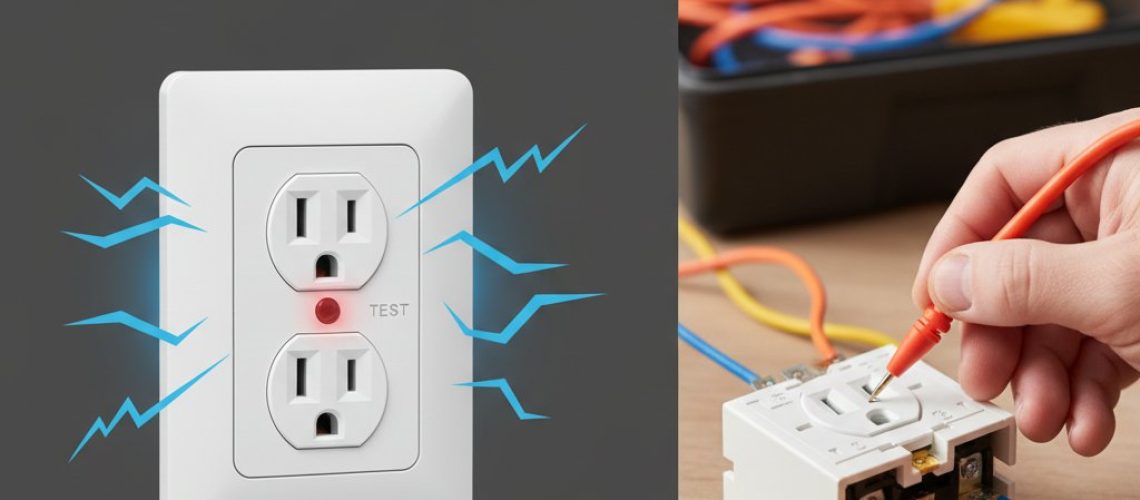
You’re in the middle of blow-drying your hair when everything suddenly goes dark. Or maybe you plug in your phone charger in the bathroom, and the outlet immediately stops working. If your GFCI outlet keeps tripping, you’re not alone—and more importantly, this safety device is doing exactly what it’s designed to do. The question is: why does it keep happening, and how do you fix it for good?
GFCI (Ground Fault Circuit Interrupter) outlets are essential safety devices, especially in South Florida homes where humidity and moisture create perfect conditions for electrical hazards. Understanding why your GFCI trips repeatedly can help you determine whether you need a simple fix or professional intervention from a licensed electrician.
What Is a GFCI Outlet and Why Does It Trip?
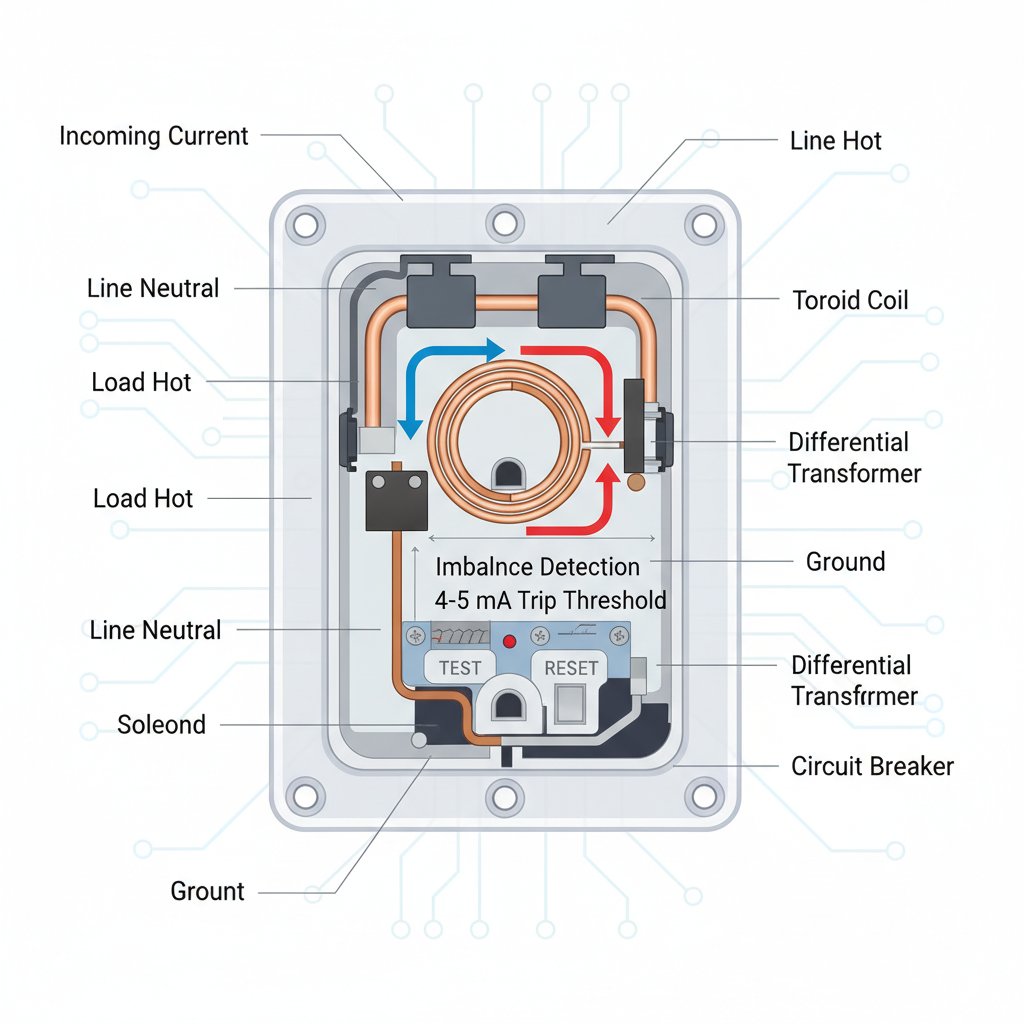
A GFCI outlet monitors the flow of electricity through a circuit. If it detects even a tiny imbalance—as little as 4-5 milliamps—between the current flowing out and the current returning, it trips instantly to cut power. This happens in milliseconds, protecting you from potentially fatal electrical shock.
GFCI outlets are required by electrical code in areas where water and electricity might meet: bathrooms, kitchens, laundry rooms, garages, outdoor spaces, and near pools. In South Florida’s humid climate, these protective devices work overtime to keep your family safe from electrical hazards that moisture can create.
When functioning correctly, a GFCI should only trip when there’s an actual ground fault—electricity taking an unintended path, possibly through water or a person. However, nuisance tripping can occur for several reasons, and identifying the cause is crucial for both safety and convenience.
Common Reasons Your GFCI Outlet Keeps Tripping
Moisture and Humidity Issues
South Florida’s tropical climate creates unique challenges for electrical systems. With humidity levels regularly exceeding 70%, moisture can infiltrate outlet boxes, especially in outdoor locations, pool areas, and poorly sealed bathroom installations. Even small amounts of condensation inside an outlet box can trigger GFCI protection.
During summer thunderstorms—which our region experiences almost daily from June through September—driving rain can penetrate outdoor outlet covers, causing repeated tripping. If your GFCI trips after heavy rain or in particularly humid weather, moisture infiltration is the likely culprit.
Faulty or Damaged Appliances
An appliance with internal damage, frayed cords, or compromised insulation can cause ground faults. Common offenders include:
- Hair dryers and curling irons with damaged heating elements
- Space heaters with worn cords
- Pressure washers and power tools exposed to moisture
- Older kitchen appliances with deteriorating wiring
- Pool pumps with failing seals or damaged motors
To test whether an appliance is causing the problem, unplug everything from the GFCI and any downstream outlets it protects. Reset the GFCI. If it stays on, plug appliances back in one at a time until you identify the problematic device.
Worn or Defective GFCI Outlet
GFCI outlets don’t last forever. Manufacturers typically recommend replacement every 10-15 years, but in South Florida’s harsh conditions—extreme heat, humidity, salt air near coastal areas, and frequent electrical storms—these devices may wear out sooner.
A GFCI that trips without any load connected, trips immediately when reset, or won’t reset at all has likely failed and needs replacement. The internal sensing mechanism can deteriorate over time, causing false trips or, worse, failing to trip when needed.
Overloaded Circuit
While circuit breakers typically handle overloads, plugging too many high-wattage devices into a GFCI-protected circuit can cause problems. This is especially common in kitchens where multiple small appliances—coffee makers, toasters, blenders, and microwaves—share the same circuit.
Calculate the total wattage of devices you’re using simultaneously. A standard 20-amp kitchen circuit can handle 2,400 watts, but it’s wise to stay below 80% of capacity (1,920 watts) for safety and reliability.
Improper Wiring Installation
Incorrectly wired GFCI outlets will cause persistent tripping or fail to function properly. Common wiring errors include:
- Reversed line and load connections
- Multiple circuits sharing a neutral wire
- Bootleg grounds creating false ground fault readings
- Improper connections to downstream outlets
DIY electrical work often results in these mistakes. If your GFCI problems started after recent electrical work, improper installation is a strong possibility.
Ground Faults in Wiring
Actual ground faults in your home’s wiring system will cause legitimate GFCI tripping. Damaged wiring in walls, worn insulation on older cables, or wiring compromised by pests can create paths for electricity to flow where it shouldn’t.
In South Florida, additional risk factors include:
- Rodent damage to wiring in attics and walls
- Corrosion from salt air in coastal communities of Palm Beach, Broward, and Miami-Dade counties
- Lightning strikes causing hidden damage to electrical systems
- Water intrusion during hurricanes affecting buried or wall-mounted wiring
How to Troubleshoot and Reset a GFCI Outlet
Step 1: Reset the GFCI Properly
First, unplug all devices from the affected outlet and any outlets downstream that it protects. Press the “RESET” button firmly. You should hear a click and feel resistance. If the button won’t stay in or immediately pops back out, the GFCI has likely failed or there’s an active ground fault.
Step 2: Test Connected Appliances
With the GFCI reset and holding, plug in devices one at a time. Wait a minute or two between each connection. If the GFCI trips when you plug in a specific appliance, you’ve found your problem. That device needs repair or replacement.
Step 3: Check for Moisture
Examine the outlet box for signs of moisture, condensation, or water damage. For outdoor outlets, ensure weather-resistant covers are properly installed and creating a watertight seal. Check that outdoor boxes have proper drainage holes and aren’t collecting water.
Step 4: Test the GFCI Function
With the outlet reset, press the “TEST” button. The outlet should immediately trip and cut power. Press “RESET” to restore power. If the TEST button doesn’t trip the outlet, the GFCI has failed and provides no protection—replacement is essential.
Step 5: Inspect for Visible Damage
Look for scorch marks, melted plastic, cracks, or other visible damage to the outlet. These signs indicate serious problems requiring immediate professional attention.
When GFCI Troubleshooting Requires a Professional
While homeowners can perform basic GFCI troubleshooting, certain situations demand professional expertise:
- GFCI outlets that trip repeatedly without an identifiable cause
- Multiple GFCI outlets tripping simultaneously
- GFCI outlets that won’t reset even with nothing plugged in
- Burning smells, visible sparks, or scorched outlets
- GFCI problems following lightning strikes or power surges
- Outlets near pools or hot tubs that malfunction
- Any situation where you’re uncomfortable working with electricity
Licensed electricians have specialized tools to diagnose ground faults, measure circuit loads, test for wiring errors, and identify moisture infiltration that isn’t visible to homeowners. Attempting complex electrical repairs without proper training and equipment creates serious safety risks.
Preventing Future GFCI Problems in South Florida Homes
Proactive maintenance extends the life of your GFCI outlets and prevents frustrating interruptions:
Monthly Testing: Test all GFCI outlets monthly using the TEST button. This confirms they’re providing protection and helps identify failures early.
Weather-Resistant Covers: Ensure outdoor GFCI outlets have properly installed “while-in-use” covers that protect them even when cords are plugged in. These are essential for South Florida’s frequent afternoon storms.
Hurricane Preparation: Before major storms, check that outdoor electrical installations are secure and sealed. Consider upgrading to GFCI circuit breakers for whole-circuit protection in critical areas.
Regular Inspections: Have a licensed electrician inspect your electrical system every 3-5 years, or more frequently for older homes. This identifies potential problems before they cause failures.
Timely Replacement: Replace GFCI outlets every 10-15 years as preventive maintenance, or sooner if you experience frequent nuisance tripping.
Upgrading Your Electrical Protection
Modern electrical technology offers enhanced protection options beyond standard GFCI outlets. AFCI/GFCI combination devices protect against both ground faults and arc faults—particularly important in South Florida homes where lightning-induced power surges can damage wiring.
Whole-home surge protection combined with GFCI circuit breakers provides comprehensive protection for your electrical system and connected devices. With the increasing investment in smart home technology, EV chargers, and expensive appliances, this protection delivers peace of mind and potential savings.
If your home has older two-prong outlets, upgrading to GFCI-protected three-prong outlets improves both safety and functionality without requiring a complete rewiring project.
Trust Your Electrical Safety to Licensed Professionals
When your GFCI outlet keeps tripping, the underlying cause might be simple—or it could indicate serious electrical hazards lurking in your home’s wiring. While basic troubleshooting helps identify obvious problems, persistent issues require professional diagnosis and repair.
Global Power & AC Corp serves homeowners throughout Palm Beach, Broward, and Miami-Dade counties with expert electrical services backed by an industry-leading 8-year warranty. Our licensed electricians understand South Florida’s unique electrical challenges and deliver same-day service when you need it most. We prioritize safety, quality craftsmanship, and customer care in every project, from simple outlet repairs to complete electrical system upgrades.
Don’t let a tripping GFCI outlet compromise your safety or convenience. Contact Global Power & AC Corp today for professional electrical troubleshooting and repair. We’ll diagnose the problem accurately, explain your options clearly, and restore reliable, safe electrical service to your home.
Frequently Asked Questions
Why does my GFCI outlet trip when it rains?
Rain can penetrate outdoor outlet boxes, especially if covers are damaged or improperly installed. Moisture creates a ground fault condition that triggers GFCI protection. Ensure outdoor outlets have weather-resistant “while-in-use” covers and that boxes are properly sealed against water intrusion.
Can I replace a GFCI outlet myself?
While replacing a GFCI outlet is possible for experienced DIYers, incorrect installation creates serious safety hazards and code violations. Improper wiring can result in outlets that don’t provide protection or trip constantly. For safety and reliability, have a licensed electrician perform GFCI installations and replacements.
How do I know if my GFCI outlet is bad?
Test your GFCI monthly by pressing the TEST button. If it doesn’t trip, or if the RESET button won’t stay engaged when pressed, the outlet has failed. GFCI outlets that trip with nothing plugged in or won’t reset after tripping also need replacement.
What’s the difference between a GFCI and a regular outlet?
GFCI outlets monitor electrical current and trip within milliseconds if they detect imbalances that could indicate dangerous ground faults. Regular outlets provide no such protection. GFCIs are required by code in areas where water and electricity might come into contact, protecting you from potentially fatal electrical shock.
How long do GFCI outlets last?
GFCI outlets typically last 10-15 years under normal conditions. In South Florida’s harsh environment with high humidity, salt air, and frequent storms, they may need replacement sooner. Regular monthly testing helps identify failing units before they stop providing protection.
Why does my bathroom GFCI keep tripping?
Bathroom GFCIs frequently trip due to moisture from showers and humidity, faulty hair dryers or electric razors, or deteriorated wiring in wet environments. If your bathroom GFCI trips regularly without obvious cause, have a licensed electrician inspect for hidden moisture problems or wiring issues.