
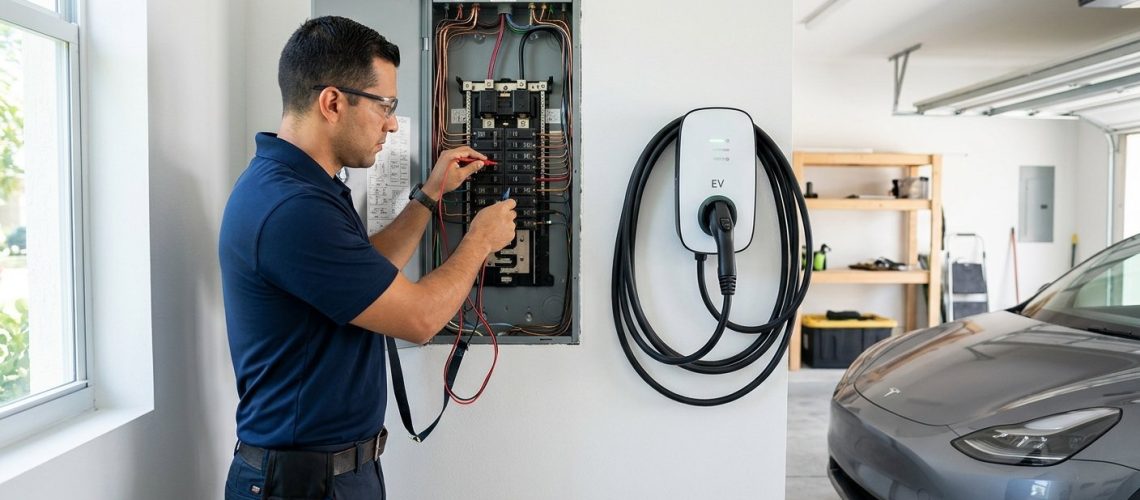
Installing a home EV charging station almost always affects your electrical panel. A Level 2 EV charger requires a dedicated 240-volt circuit, typically drawing 40–50 amps, and many older South Florida homes simply don’t have the spare capacity to support it. Before any charger goes in, a licensed electrician must assess whether your panel can handle the added load — or whether an electrical panel upgrade is needed first.
- Most Level 2 EV chargers require a dedicated 240V/40–50A circuit that older panels cannot support without an upgrade.
- Homes in Palm Beach, Broward, and Miami-Dade with panels rated at 100 amps or less are especially likely to need a panel upgrade before installation.
- A proper load calculation by a licensed electrician determines whether your existing panel has capacity to spare.
- Skipping the panel assessment creates real safety risks — tripped breakers, overloads, and potential fire hazards.
- Pairing an EV charger installation with a panel upgrade can future-proof your home for smart devices, backup power, and more.
Why Your Electrical Panel Is the Starting Point
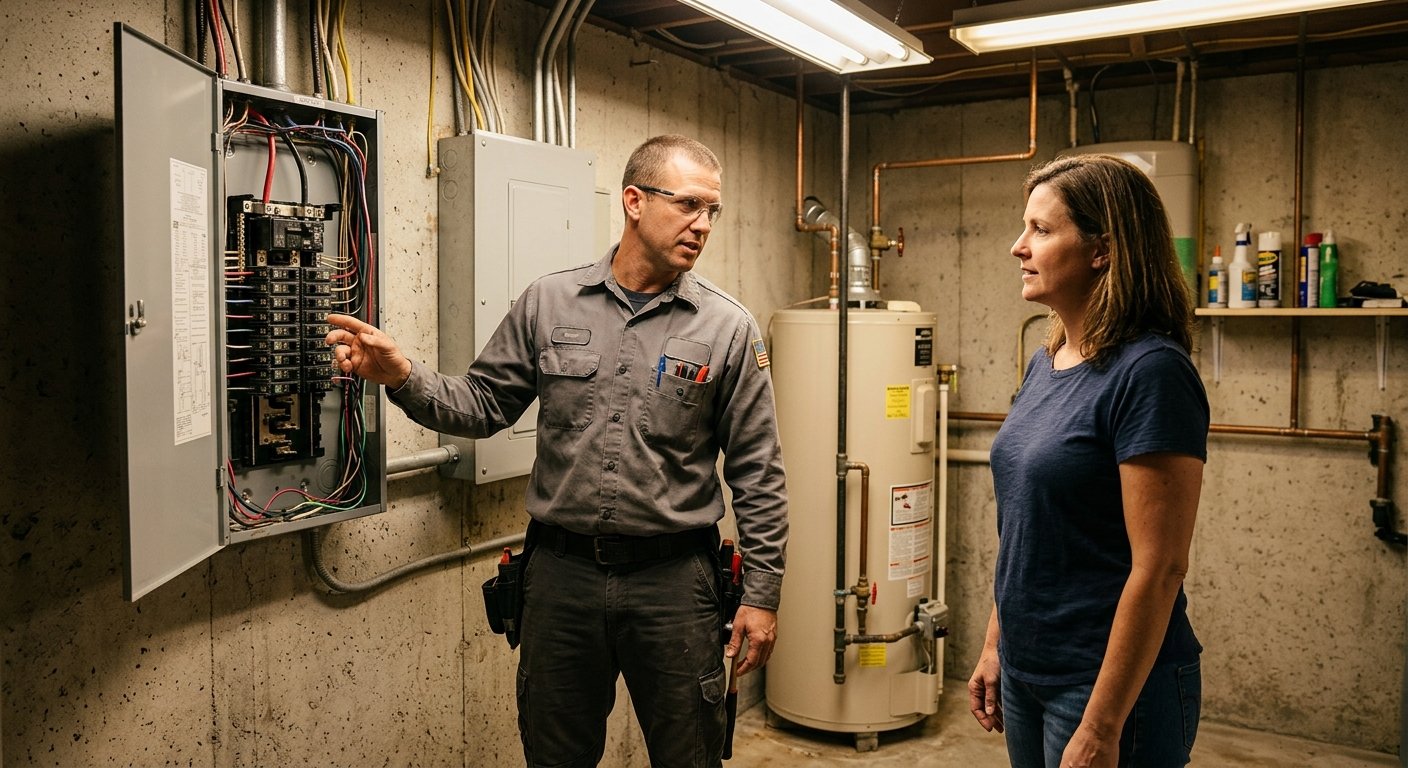
Your home’s electrical panel is the nerve center of everything that runs on electricity — from your air conditioning system to your kitchen appliances. When you add a home EV charging station to the mix, you’re introducing one of the largest single electrical loads most residential panels have ever seen. That’s not a reason to hesitate; it’s a reason to plan carefully.
A standard Level 2 EV charger operates on a 240-volt circuit and typically requires a dedicated 40-amp breaker, though some higher-output units need 50 amps or more. According to the U.S. Department of Energy’s Electric Vehicles resource, Level 2 charging can add roughly 10–30 miles of range per hour — making it the practical choice for daily home charging. That efficiency comes at an electrical cost your panel must be prepared to absorb.
In South Florida specifically, many homes built before the 1990s were wired with 100-amp service panels — equipment that was never designed to accommodate today’s power demands, let alone an EV charger on top of central air conditioning, pool pumps, and modern appliances. If your panel is already operating near its capacity, adding a Level 2 charger without an upgrade isn’t just impractical; it’s unsafe.
Never install a high-amperage EV charger circuit without first having a licensed electrician perform a load calculation. Overloading an older panel can cause nuisance tripping, accelerated breaker wear, and in worst-case scenarios, an electrical fire.
How Electricians Assess Panel Capacity
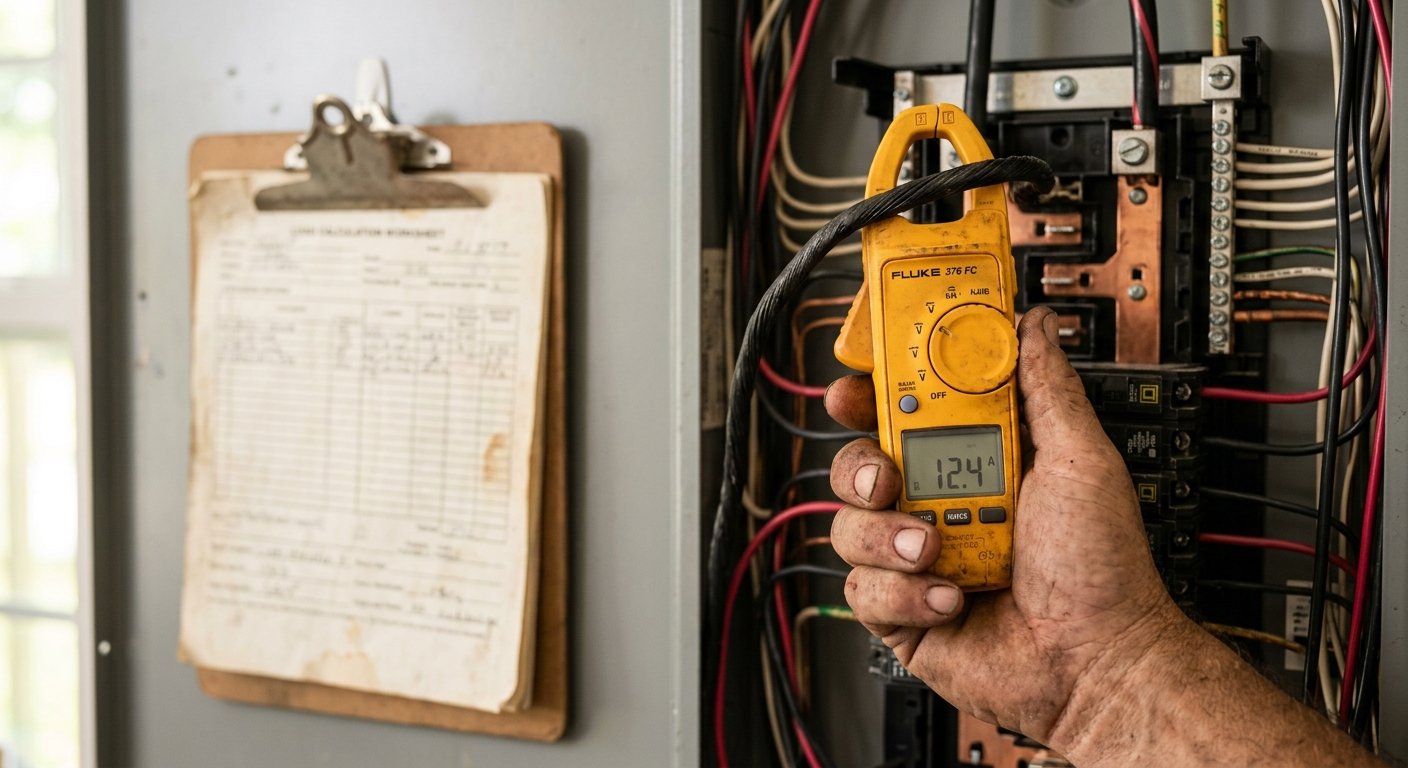
Before recommending any panel work, a qualified electrician performs a load calculation — a systematic review of every circuit in your home to determine how much of your panel’s total capacity is already in use. The National Electrical Code (NEC), published by the National Fire Protection Association, sets the framework for these calculations and requires that new circuits not push a panel beyond safe operating thresholds.
During this assessment, your electrician will review the panel’s total amperage rating, the size and number of existing breakers, and the typical operating loads of your major appliances. From there, the path forward becomes clear: either your panel has room for a new dedicated circuit, or it doesn’t.
What a 200-Amp Panel Upgrade Changes
A 200 amp panel upgrade is the most common solution when a home’s existing service can’t accommodate an EV charger. Moving from 100-amp to 200-amp service essentially doubles the electrical capacity available to your home. For South Florida homeowners, this headroom is valuable beyond EV charging alone — it creates capacity for smart home technology, additional appliances, standby generator integration, and future needs you haven’t anticipated yet.
| Consideration | 100-Amp Panel | 200-Amp Panel |
|---|---|---|
| Supports Level 2 EV charger? | Often not without sacrificing other circuits | Yes, with capacity to spare |
| Handles modern AC + appliances? | Marginal at best | Comfortably |
| Smart home / EV / generator ready? | No | Yes |
| Common in South FL homes built before? | Pre-1990s | Post-2000 new construction |
| Future-proof for next 20+ years? | No | Yes |
The EV Charger Installation Process, Step by Step
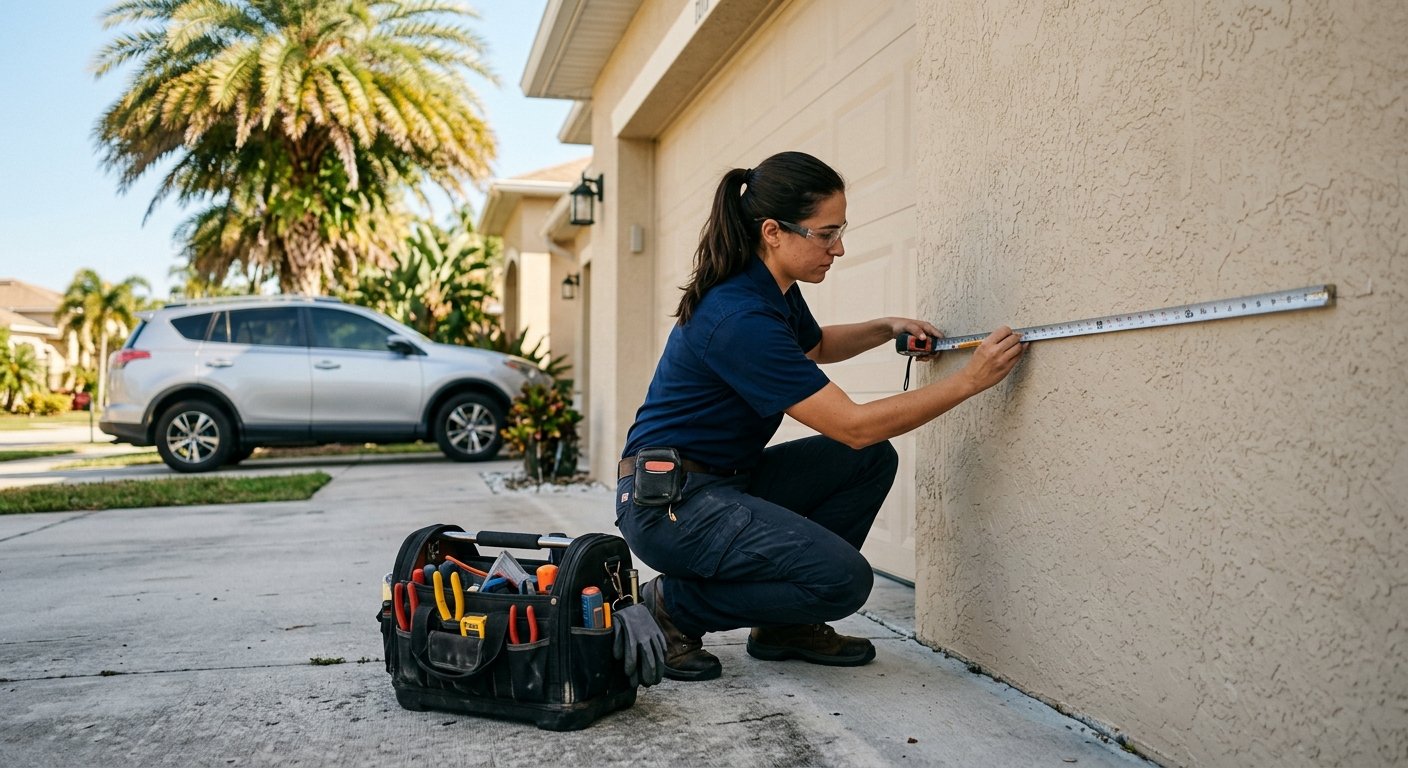
Understanding what the installation actually involves helps homeowners set realistic expectations and ask the right questions. Here’s how a professional installation typically unfolds for a South Florida home.
Site Assessment and Load Calculation
Your electrician visits the home, inspects the panel, and calculates available capacity. If a panel upgrade is needed, this is identified before any other work begins.
Permit Application
In Palm Beach, Broward, and Miami-Dade counties, EV charger installations and panel upgrades require permits. A licensed contractor handles this on your behalf — never skip this step.
Panel Upgrade (If Required)
If the load calculation reveals insufficient capacity, the panel is upgraded before the charger circuit is installed. Both projects can often be coordinated in a single visit.
Dedicated Circuit Installation
A new 240-volt dedicated circuit is run from the panel to your garage or charging location, sized appropriately for the charger’s amperage requirements.
Charger Mounting and Testing
The charging unit is mounted, connected, and tested. Your electrician confirms proper voltage, grounding, and GFCI protection before the installation is considered complete.
Inspection and Sign-Off
A county inspector verifies the work meets code. This protects your home’s value and your homeowner’s insurance coverage.
South Florida-Specific Considerations
Living in Palm Beach, Broward, or Miami-Dade adds a layer of complexity that homeowners elsewhere don’t face. South Florida’s combination of high humidity, intense heat, and hurricane season creates real stress on electrical systems year-round. Panels in coastal environments are exposed to salt-laden air that accelerates corrosion on breakers and bus bars — which is why an aging panel should be inspected thoroughly before any new circuit is added.
Hurricane season also makes this the right time to think holistically. If you’re investing in a panel upgrade to support your EV charger installation, that’s also the moment to discuss surge protection, whole-home generator compatibility, and any other electrical resilience upgrades your home may benefit from. Coordinating these improvements together is more efficient and cost-effective than addressing them one at a time.
If your panel is more than 25 years old and shows signs of corrosion, tripping breakers, or warm spots near the breaker box, schedule an inspection before EV charger installation — not after. Addressing panel condition first streamlines the entire process and prevents costly rework.
It’s also worth knowing that Florida’s building codes and local county ordinances govern EV charger installations. According to the Florida Building Commission, electrical work must comply with the Florida Building Code’s electrical provisions, which are based on the NEC. Working with a licensed and insured contractor ensures your installation meets every applicable requirement from day one.
A panel that struggled before an EV charger was installed will not perform better after one is added — it will fail faster.
Smart Pairing: EV Charging and Home Electrical Upgrades
Homeowners who are already planning a panel upgrade are in an ideal position to bundle it with their EV charger installation. Doing both at the same time reduces labor costs, minimizes disruption, and ensures the electrical system is designed as a cohesive whole rather than patched together over time.
The same logic applies to smart home integration. Many EV chargers today are Wi-Fi enabled and can be scheduled to charge during off-peak utility hours, reducing your electricity costs. Integrating this into a broader smart home electrical plan — one that your updated panel can support — gives South Florida homeowners a genuinely modern, efficient home electrical system built for the next two decades.
Frequently Asked Questions
Do I always need an electrical panel upgrade to install an EV charger?
Not always, but frequently. It depends on your panel’s total amperage rating and how much capacity is already in use. Homes with a 200-amp panel and low existing load may have room for a dedicated EV circuit without any upgrade. Homes with a 100-amp panel or a heavily loaded 200-amp panel will likely need an upgrade first. Only a licensed electrician performing a proper load calculation can tell you for certain.
What is the difference between Level 1 and Level 2 EV charging at home?
Level 1 charging uses a standard 120-volt outlet and adds roughly 3–5 miles of range per hour — adequate for low-mileage drivers but slow for daily use. A Level 2 EV charger operates on 240 volts and can add 10–30 miles of range per hour, making it the practical standard for home charging. Level 2 is what most electricians install when homeowners request a dedicated home EV charging station.
Is a permit required for EV charger installation in Palm Beach County?
Yes. In Palm Beach County — and throughout Broward and Miami-Dade counties — EV charger installations that involve new wiring or a dedicated circuit require an electrical permit. Your licensed contractor applies for the permit, coordinates the inspection, and ensures the work meets the Florida Building Code. Unpermitted electrical work can create problems with homeowner’s insurance and property sales down the road.
How long does the combined installation process take?
An EV charger installation alone, when no panel work is needed, can typically be completed in a single day. When a panel upgrade is also required, the timeline extends — permit approval times vary by county, but the physical work is often completed within one to two days once permits are in hand. Same-day service is available for urgent assessments, though permit-dependent work must follow the approval process.
Will my homeowner’s insurance cover an EV charger installed by a licensed electrician?
In most cases, yes — provided the installation was done by a licensed, insured contractor with the proper permits. Unpermitted or DIY installations can void coverage or create complications in the event of a claim. Always confirm with your insurance provider after installation, and keep documentation of the permit and inspection sign-off.
Ready to Install Your EV Charger the Right Way?
Global Power & AC Corp is a licensed and insured electrical contractor serving Palm Beach, Broward, and Miami-Dade counties — backed by an 8-year warranty on workmanship and same-day service availability. Let our South Florida electrical experts assess your panel and get your home EV charging station installed safely, properly permitted, and built to last.

About Global Power & AC Corp
Global Power & AC Corp is a trusted electrical contractor serving homeowners and businesses throughout South Florida's Palm Beach, Broward, and Miami-Dade counties. The company specializes in residential electrical services including panel upgrades, EV charger installation, standby generators, smart home integration, and comprehensive electrical safety solutions. With a commitment to quality craftsmanship backed by an 8-year warranty and same-day service availability, Global Power & AC Corp combines family-owned values with corporate-level professionalism to deliver reliable electrical solutions tailored to South Florida's unique climate challenges. Visit globalpowerpb.com →