
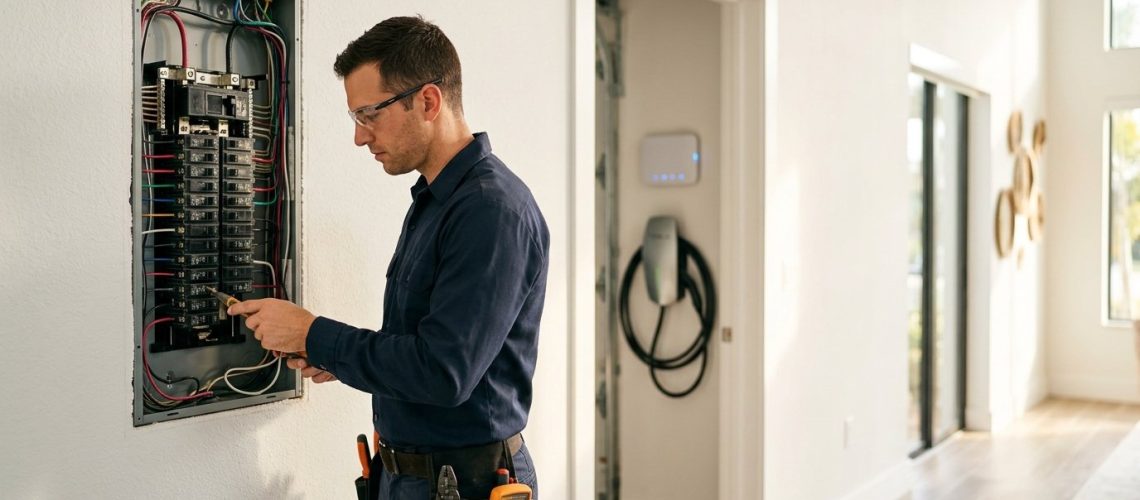
Nearly 51,000 home electrical fires occur in the United States each year, causing billions in property damage and hundreds of fatalities, according to the National Fire Protection Association. For homeowners in South Florida, that risk is amplified by aging housing stock, relentless humidity, hurricane season surges, and increasingly heavy electrical loads from smart devices and EV chargers.
A thorough electrical safety inspection isn’t just a box to check — it’s one of the most important things you can do to protect your home and family. This checklist walks you through what a professional inspection covers, what warning signs to watch for, and when to call in a licensed electrical contractor.
Why Electrical Inspections Matter in South Florida
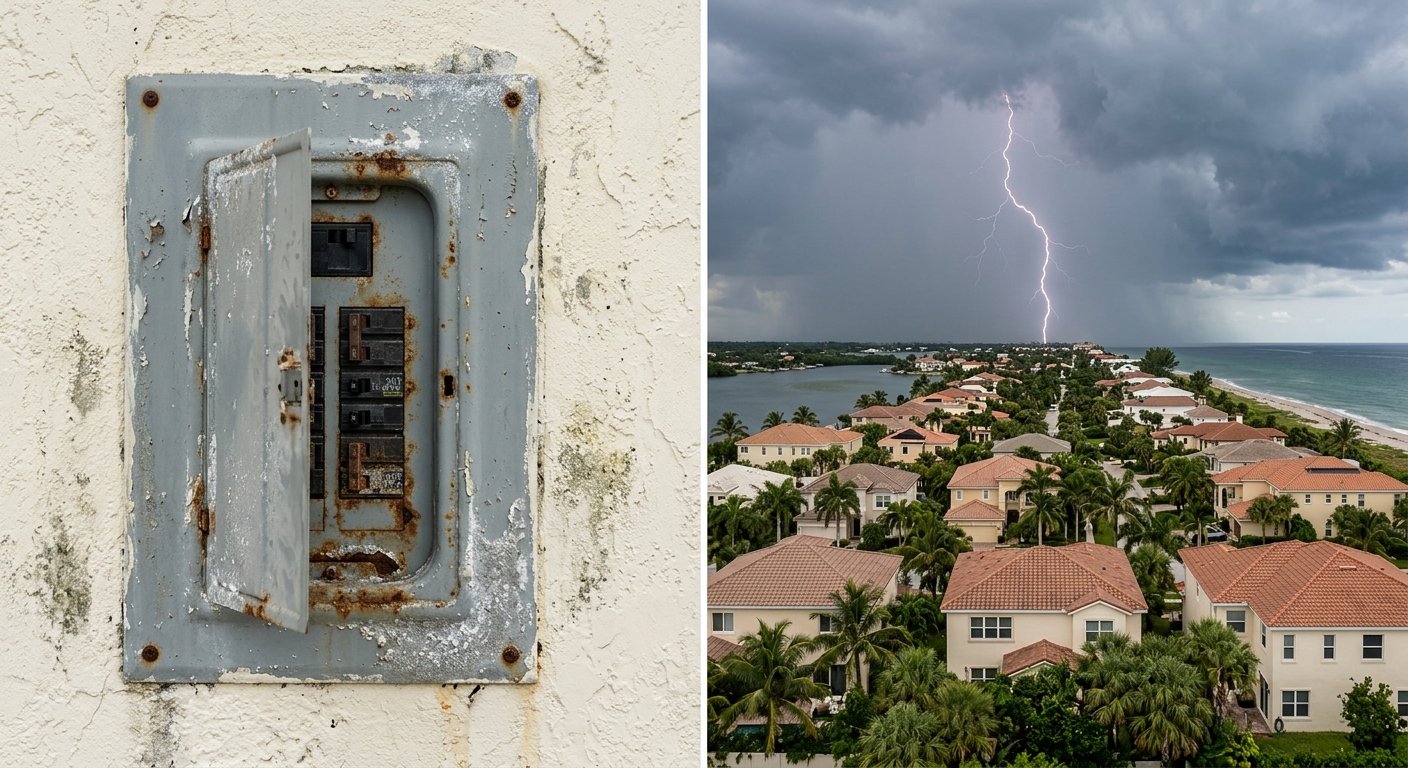
Palm Beach, Broward, and Miami-Dade counties present unique challenges for electrical systems. Salt air accelerates corrosion on wiring, panels, and connections. The region’s intense thunderstorm season — running spring through fall — delivers frequent power surges and lightning strikes. Older homes throughout West Palm Beach, Boca Raton, Fort Lauderdale, and surrounding communities often carry outdated wiring that was never designed for today’s electrical demands.
Add to that the growing adoption of high-draw appliances, EV chargers, whole-home generators, and smart home systems, and it’s clear why routine electrical safety inspections have become essential — not optional.
The U.S. Consumer Product Safety Commission recommends that homes be inspected by a qualified electrician every 10 years — or sooner if the home is over 40 years old, has undergone major renovations, or shows signs of electrical problems.
Your Home Electrical Safety Checklist
Use this checklist as a guide when assessing your home’s electrical health. Some items are safe for homeowners to observe visually; others require a licensed electrician to evaluate properly.
1. Electrical Panel Inspection
- Is your panel 200 amps or larger? Older panels rated at 100 amps or less often can’t support modern electrical loads.
- Are there any signs of rust, burn marks, or scorch discoloration inside the panel?
- Do breakers trip frequently or fail to reset properly?
- Is your home still running a Federal Pacific, Zinsco, or Pushmatic panel? These brands are associated with safety concerns and may need replacement.
- Are all breakers properly labeled and easy to identify?
If your panel is more than 25–30 years old or shows any of the warning signs above, it’s time to explore an electrical panel upgrade. This is not a DIY project — panel work carries serious shock and fire risks and requires permits and licensed professionals in Florida.
2. Wiring and Outlets
- Are any outlets or switches warm to the touch, discolored, or emitting a burning smell?
- Do lights flicker or dim when appliances turn on?
- Are there outlets with two prongs only (ungrounded) throughout the home?
- Does your home have aluminum wiring? Homes built between 1965 and 1973 may have aluminum branch circuit wiring, which requires special handling.
- Are extension cords being used as permanent wiring solutions? This is a significant fire hazard.
- Are any outlets or junction boxes missing cover plates?
3. GFCI and AFCI Protection
- Are GFCI (Ground Fault Circuit Interrupter) outlets installed in all required locations? In Florida, this includes kitchens, bathrooms, garages, outdoor areas, laundry rooms, and anywhere near water.
- Do you test GFCI outlets monthly using the “Test” and “Reset” buttons?
- Has your electrician verified that AFCI (Arc Fault Circuit Interrupter) breakers are installed in bedrooms and other required living areas per current Florida Building Code?
Both GFCI and AFCI protection are not just code requirements — they’re proven life-saving technologies. If your home is missing either, schedule an upgrade as part of your next electrical safety inspection.
4. Outdoor and Weather-Exposed Electrical Components
South Florida’s outdoor environment is particularly harsh on electrical components. During your inspection, check for:
- Outdoor outlets with weatherproof covers in good condition
- No exposed or frayed wiring near pool equipment, patios, or landscaping
- Proper conduit protecting any exposed exterior wiring
- Service entrance cables (the lines entering your home from the utility) showing no signs of damage, fraying, or improper clearance
- Surge protection devices installed — especially important before hurricane season in Palm Beach and Broward counties
5. Smoke and Carbon Monoxide Detectors
- Is there a working smoke detector on every level of the home and inside every sleeping area?
- Have batteries been tested or replaced within the past year?
- Are detectors older than 10 years? Most manufacturers recommend replacement at that point.
- Do you have a carbon monoxide detector if your home uses gas appliances or has an attached garage?
6. Lighting Fixtures and Ceiling Fans
- Are light bulbs within the maximum wattage rating marked inside the fixture?
- Are any recessed lights in contact with insulation? This can be a fire risk unless fixtures are rated for insulation contact (IC-rated).
- Do ceiling fans wobble or make unusual noises? Loose connections at the fan or junction box can be hazardous.
7. Smart Home and EV Charging Infrastructure
Modern South Florida homes increasingly incorporate smart devices, EV chargers, and whole-home standby generators. Each of these adds demand to your electrical system and requires professional evaluation to ensure safe integration.
- Is your panel equipped to handle a Level 2 EV charger (typically 240V/50-amp circuit)?
- Are smart home devices properly wired through compatible systems, or are they piggyback-connected unsafely?
- Has a licensed electrician reviewed your overall load capacity to confirm your system isn’t overloaded?
Explore how smart home electrical integration can be done safely and efficiently to modernize your home without compromising safety.
Red Flags That Require Immediate Professional Attention
Some electrical issues can’t wait for a scheduled inspection. Contact a licensed electrician immediately if you notice:
- Sparks from an outlet, switch, or panel
- A persistent burning smell with no identifiable source
- Breakers that trip repeatedly, especially on the same circuit
- Visible scorching or melting around any outlet or junction box
- Lights that flicker throughout the home — this can indicate a loose main connection
- Any shock, even minor, when touching an appliance or outlet
Global Power & AC Corp offers same-day service to homeowners throughout Palm Beach, Broward, and Miami-Dade counties. If you’re experiencing any of these warning signs, don’t wait — call us at (561) 203-0080.
How Often Should You Schedule a Professional Inspection?
As a general guideline for South Florida homeowners:
- Every 10 years — for homes under 40 years old with no known issues
- Every 3–5 years — for homes over 40 years old or those with aging panels
- Before major renovations — adding circuits, upgrading appliances, or expanding your home
- After a hurricane or major storm — surge damage and water intrusion can compromise wiring
- When buying or selling a home — a thorough inspection protects both buyer and seller
Florida’s humid, storm-prone environment accelerates wear on electrical components. What might be acceptable for 10 years in a dry northern climate may need attention sooner here in South Florida. According to the National Electrical Code, local amendments adopted by Florida may impose additional requirements — another reason working with a licensed, locally knowledgeable contractor matters.
Frequently Asked Questions
How long does a home electrical safety inspection take?
Most residential electrical safety inspections take between one and three hours, depending on the size of the home and the complexity of the electrical system. Larger homes or those with older wiring, multiple panels, or added systems like generators and EV chargers may take longer.
What’s the difference between a home inspector and a licensed electrician inspection?
A general home inspector provides a broad visual overview of the home’s systems, including basic electrical observations. A licensed electrical contractor performs a deeper, code-based evaluation of your panel, wiring, circuits, grounding, and safety devices. For serious electrical concerns or pre-renovation planning, a licensed electrician’s inspection is significantly more thorough and actionable.
How much does an electrical safety inspection cost in South Florida?
Costs vary depending on home size and the scope of the inspection. Contact a licensed electrical contractor in your area for an accurate quote. What’s important to understand is that the cost of an inspection is minor compared to the potential cost of an electrical fire, a failed home sale, or emergency repairs.
Can I do an electrical safety inspection myself?
Homeowners can perform basic visual checks — looking for discolored outlets, testing GFCI buttons, checking smoke detector function, and noting flickering lights. However, evaluating your panel, wiring quality, circuit loads, grounding, and code compliance requires a licensed electrician. Never open your electrical panel or attempt to diagnose internal wiring issues without professional training.
Does Global Power & AC Corp offer warranties on electrical inspection work?
Yes. Global Power & AC Corp backs all workmanship with an 8-year warranty. As a licensed and insured electrical contractor serving Palm Beach, Broward, and Miami-Dade counties, we stand behind every job we perform — from safety inspections to full panel upgrades.
Schedule Your Electrical Safety Inspection Today
Your home’s electrical system works silently every day — until it doesn’t. A professional electrical safety inspection gives you peace of mind, identifies hazards before they become emergencies, and ensures your system is ready for South Florida’s demands.
Global Power & AC Corp serves homeowners and property managers throughout West Palm Beach, Boca Raton, Delray Beach, Boynton Beach, Fort Lauderdale, and across Palm Beach, Broward, and Miami-Dade counties. With same-day service availability, an 8-year warranty on workmanship, and a team of licensed electrical professionals who understand South Florida’s unique challenges, we’re the team to call.
Call us today at (561) 203-0080 to schedule your home electrical safety inspection or to speak with a licensed electrician about your concerns. Your family’s safety is worth the call.