
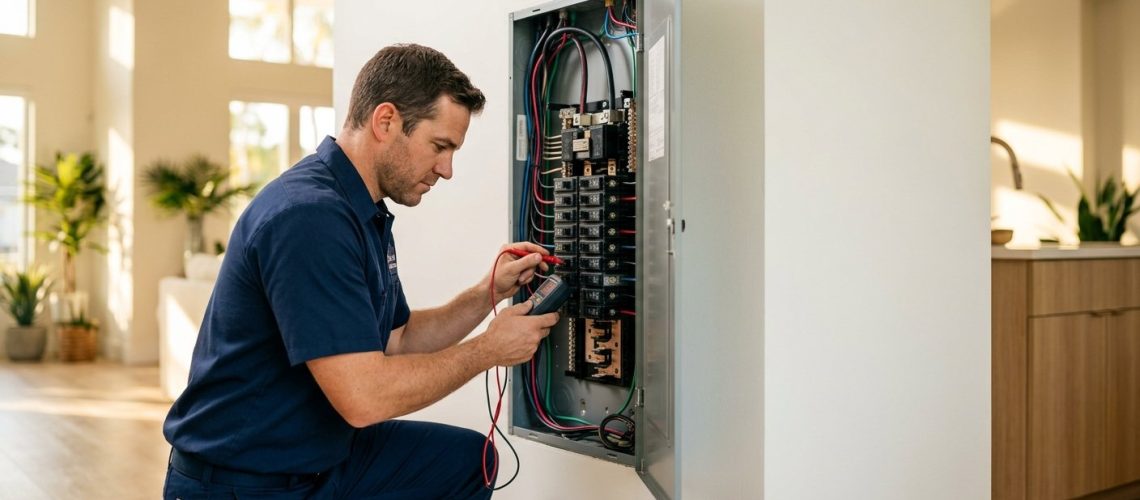
A home electrical inspection is a thorough, professional review of your property’s entire electrical system — from the service panel and wiring to outlets, fixtures, and grounding. A licensed electrician evaluates safety, code compliance, and overall system condition. It applies to any homeowner buying, selling, or maintaining a property, and is especially critical in South Florida where heat, humidity, and hurricane season put unique stress on electrical systems.
- A residential electrical inspection covers your panel, wiring, outlets, grounding, and safety devices.
- Inspections typically take one to three hours depending on property size and system complexity.
- South Florida’s humidity and storm exposure accelerate electrical wear and corrosion.
- Many lenders, insurers, and municipalities require an inspection before closing or after major renovations.
- Global Power & AC Corp offers same-day electrical safety inspections with an 8-year workmanship warranty.
Why a Home Electrical Inspection Matters
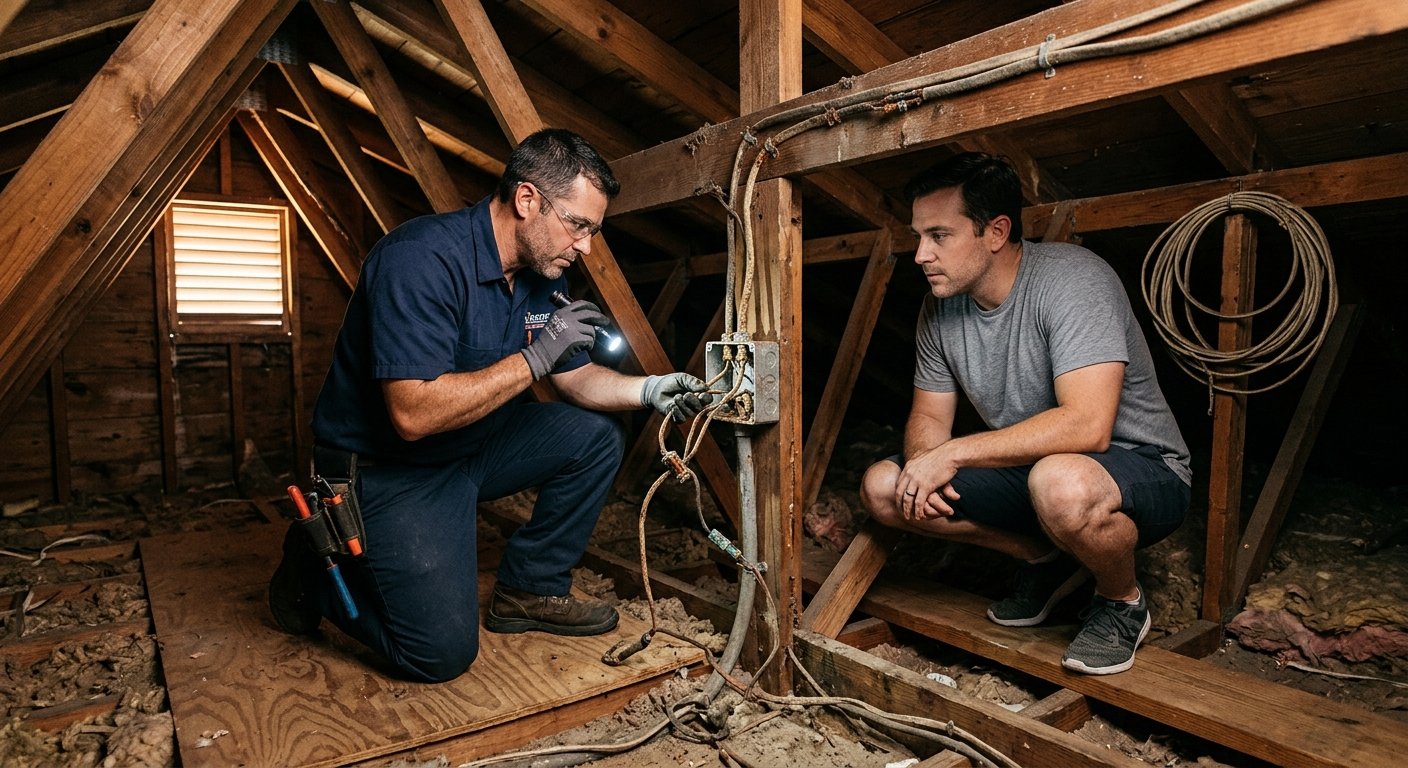
Electrical hazards are among the leading causes of residential fires in the United States. According to the U.S. Fire Administration, electrical fires cause thousands of injuries and billions in property damage annually. For homeowners in Palm Beach, Broward, and Miami-Dade counties, the risks are compounded by South Florida’s climate — relentless humidity accelerates corrosion on wiring and connections, while frequent lightning strikes and seasonal storms can compromise surge protection and grounding systems in ways that aren’t immediately visible.
Whether you’re purchasing a home in Boca Raton, upgrading a condo in Fort Lauderdale, or simply maintaining a property that’s been in the family for years, a professional electrical safety inspection gives you a complete picture of what’s working, what’s aging, and what needs immediate attention.
Homes built before 1980 in South Florida frequently contain outdated wiring types, undersized panels, or missing ground fault protection — all of which pose serious safety risks. Never assume an older home’s electrical system is safe without a professional evaluation.
What an Electrician Examines During the Inspection
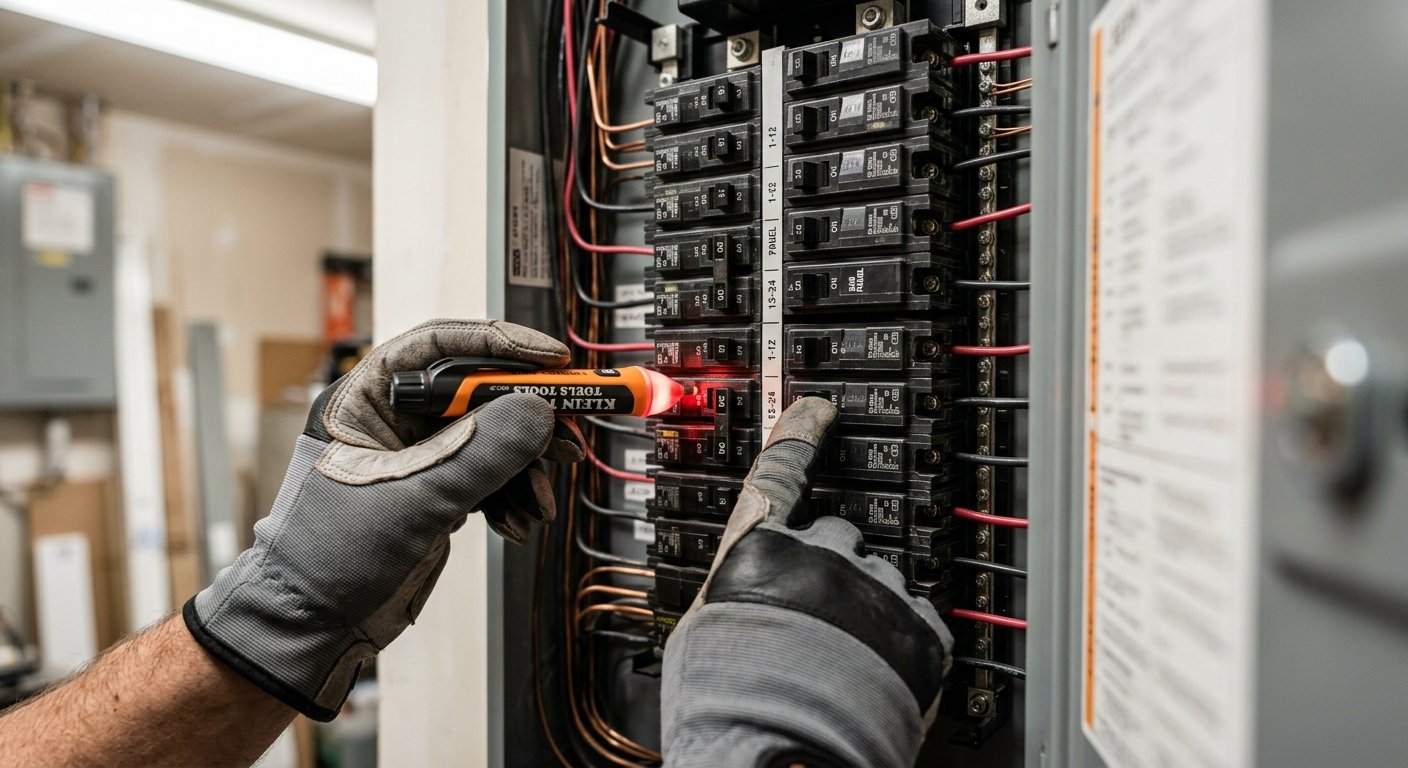
A thorough residential electrical inspection isn’t a quick walk-through. A licensed electrician follows a systematic process, evaluating every major component of your electrical infrastructure. Here’s what the inspection covers:
The Electrical Service Panel
The panel is the heart of your home’s electrical system. The inspector checks for proper sizing relative to your home’s load, signs of overheating or corrosion, double-tapped breakers, and whether the panel brand or model has any known safety concerns. Older Federal Pacific or Zinsco panels, still found in some South Florida homes, may require replacement. If you’re considering an upgrade, our electrical panel upgrades page explains the process and what to expect.
Wiring, Grounding, and Bonding
The inspector traces wiring throughout accessible areas — attic spaces, garages, and visible runs — looking for improper splices, damaged insulation, aluminum wiring in branch circuits, and missing grounding conductors. South Florida’s humidity makes this step especially important, as moisture intrusion can degrade wire insulation over time.
Outlets, Switches, and Fixtures
Every outlet is tested for proper wiring polarity and grounding. GFCI (Ground Fault Circuit Interrupter) protection is verified in kitchens, bathrooms, garages, and exterior locations — a requirement under the National Electrical Code (NEC). AFCI (Arc Fault Circuit Interrupter) breaker protection in bedroom circuits is also evaluated. Missing or malfunctioning GFCI/AFCI devices are among the most common deficiencies found in South Florida homes.
Smoke and Carbon Monoxide Detectors
Hardwired smoke detector placement, interconnection, and battery backup are reviewed. Florida law requires smoke alarms in specific locations, and an electrician can confirm your home meets current requirements.
Exterior and Service Entrance
The weatherhead, service entrance cable, meter base, and exterior disconnects are inspected for damage, corrosion, or improper clearances. After a storm, this is often where hidden damage lurks.
Panel and Service Evaluation
The electrician reviews your main panel for capacity, condition, and code compliance, including breaker function and signs of overheating.
Wiring and Grounding Assessment
Accessible wiring is inspected for damage, improper connections, and missing grounding. Aluminum branch wiring receives special attention.
Outlet and GFCI/AFCI Testing
Every outlet is tested for polarity and grounding. GFCI and AFCI protection is verified in all required locations.
Fixture and Device Review
Switches, ceiling fans, and hardwired fixtures are checked for proper installation and safe operation.
Report and Recommendations
You receive a detailed written report outlining findings, safety priorities, and recommended repairs or upgrades.
How Long Does an Inspection Take?
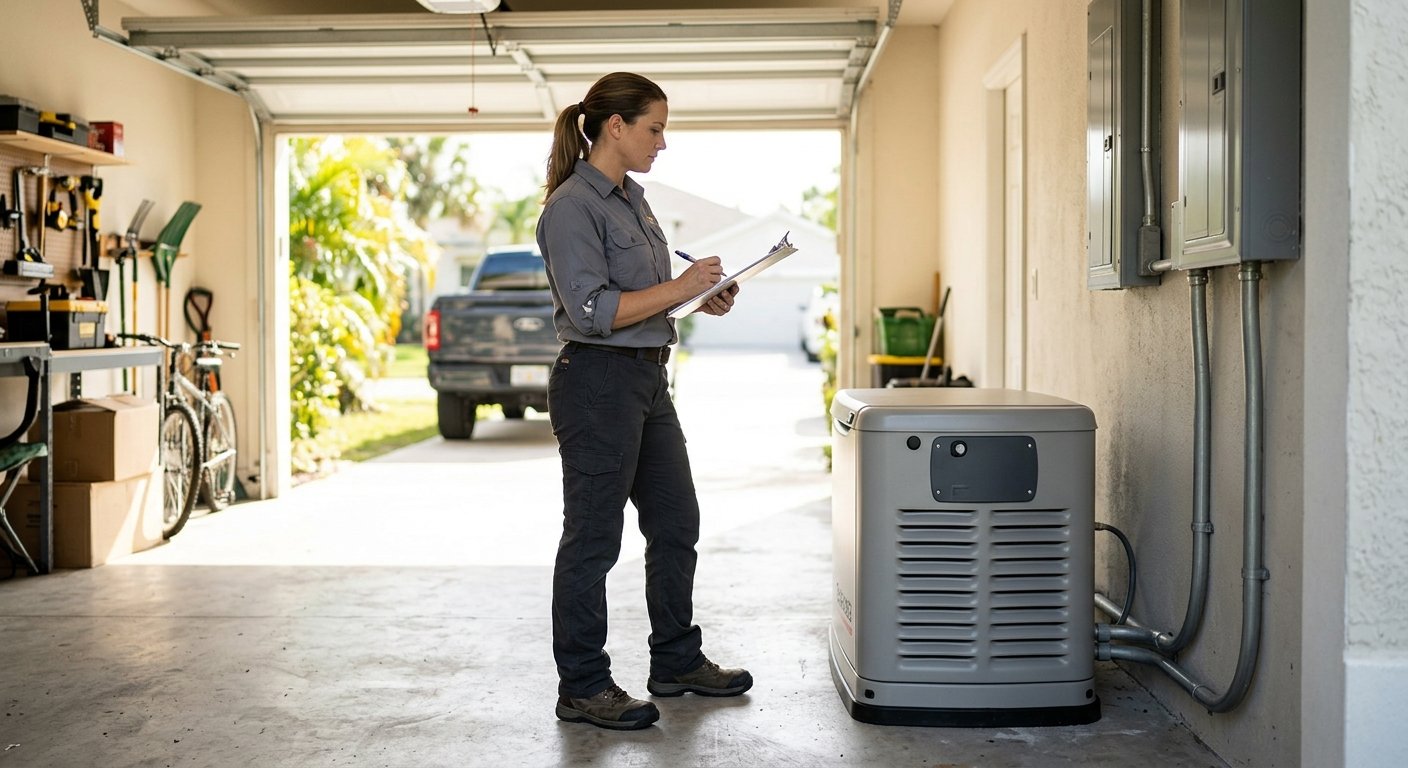
For most single-family homes in Palm Beach County, Broward County, or Miami-Dade County, an electrical inspection takes between one and three hours. Larger properties, homes with multiple sub-panels, or properties with complex electrical setups — such as whole-home generators, EV charger circuits, or smart home systems — may take longer. The electrician’s goal isn’t to rush; thoroughness protects you.
Thoroughness isn’t a luxury during an electrical inspection — it’s the entire point.
When Should You Schedule an Inspection?
There are several situations where scheduling an electrical inspection is not just smart — it’s essential:
- Buying or selling a home: Many lenders and insurers now require a recent electrical inspection report before approving coverage or financing.
- After a major storm: Hurricane-force winds, flooding, and lightning strikes can cause damage that isn’t visible without a professional assessment.
- Before an upgrade or renovation: Adding EV charging, a home addition, or smart home technology requires verifying that your existing system can support increased load.
- Homes over 25 years old: Electrical systems age, and components that met code decades ago may now be outdated or unsafe.
- Persistent electrical issues: Frequently tripping breakers, flickering lights, or burning smells always warrant professional evaluation.
If you’re planning to add an EV charger or integrate smart home devices, schedule your electrical safety inspection first. It ensures your panel and wiring can handle the added demand — and identifies any issues that should be addressed before new work begins. Explore our smart home electrical services to see how we help South Florida homeowners modernize safely.
Inspection vs. Permit Inspection: Understanding the Difference
A professional home electrical inspection performed by your chosen licensed electrician is different from a municipal permit inspection. When a contractor pulls permits for electrical work — as required by Florida Building Code — the local authority having jurisdiction (AHJ) conducts a permit inspection to confirm the work meets code. A professional inspection is proactive and evaluates your entire system’s current condition, not just a specific permitted job. Both serve important purposes and should never be confused with one another.
| Feature | Professional Electrical Inspection | Municipal Permit Inspection |
|---|---|---|
| Who conducts it | Licensed electrician you hire | Local government inspector |
| Scope | Whole-home system assessment | Specific permitted work only |
| When it happens | Anytime you request it | After permitted work is complete |
| Written report provided | Yes — detailed findings | Pass/fail determination |
| Goal | Safety, condition, and upgrade planning | Code compliance verification |
Frequently Asked Questions
How much does a home electrical inspection cost?
Electrical inspection costs vary depending on property size, age, and system complexity. Because pricing differs by contractor and scope, the best approach is to contact a licensed electrician directly for an accurate quote. Global Power & AC Corp offers transparent pricing and same-day service availability for homeowners throughout Palm Beach, Broward, and Miami-Dade counties.
Are there electrical inspection requirements in Florida before selling a home?
Florida law doesn’t universally mandate a seller-side electrical inspection before every home sale, but many buyers, lenders, and insurance companies now require one. Homeowners’ insurance providers in South Florida increasingly review electrical system condition — especially panel type — before issuing or renewing policies. It’s wise to schedule an inspection proactively before listing.
Will the electrician fix problems found during the inspection?
That depends on the arrangement you make upfront. Some inspections are assessment-only, delivering a report you can act on separately. Others include same-visit repairs for minor issues. Global Power & AC Corp can assess and repair in the same visit when schedules allow, and all workmanship is backed by an 8-year warranty.
How often should I have my home’s electrical system inspected?
The NFPA recommends periodic electrical system maintenance and inspection, especially as systems age. For most South Florida homeowners, an inspection every five to ten years — or after any major storm, renovation, or purchase — is a reasonable baseline. Older homes or those with frequent electrical issues may need more frequent evaluation.
Can I be present during the inspection?
Absolutely — and it’s encouraged. Being present allows you to ask questions in real time, understand the findings firsthand, and make informed decisions about any recommended repairs or upgrades. It’s your home, and a trustworthy electrician will welcome your engagement throughout the process.
Schedule Your Electrical Inspection Today
Global Power & AC Corp is a licensed, insured electrical contractor serving homeowners across Palm Beach, Broward, and Miami-Dade counties — with same-day availability and an 8-year warranty on all workmanship.

About Global Power & AC Corp
Global Power & AC Corp is a trusted electrical contractor serving homeowners and businesses throughout South Florida's Palm Beach, Broward, and Miami-Dade counties. The company specializes in residential electrical services including panel upgrades, EV charger installation, standby generators, smart home integration, and comprehensive electrical safety solutions. With a commitment to quality craftsmanship backed by an 8-year warranty and same-day service availability, Global Power & AC Corp combines family-owned values with corporate-level professionalism to deliver reliable electrical solutions tailored to South Florida's unique climate challenges. Visit globalpowerpb.com →