
Electrical fires account for approximately 24,000 residential fires annually across the United States, causing hundreds of deaths and over $800 million in property damage. In South Florida’s unique climate—characterized by intense humidity, frequent thunderstorms, and hurricane threats—homeowners face additional electrical challenges that can increase fire risks. Understanding how to identify and address electrical hazards isn’t just about protecting your property; it’s about safeguarding your family’s safety in Palm Beach, Broward, and Miami-Dade counties.
Understanding Electrical Fire Risks in South Florida Homes
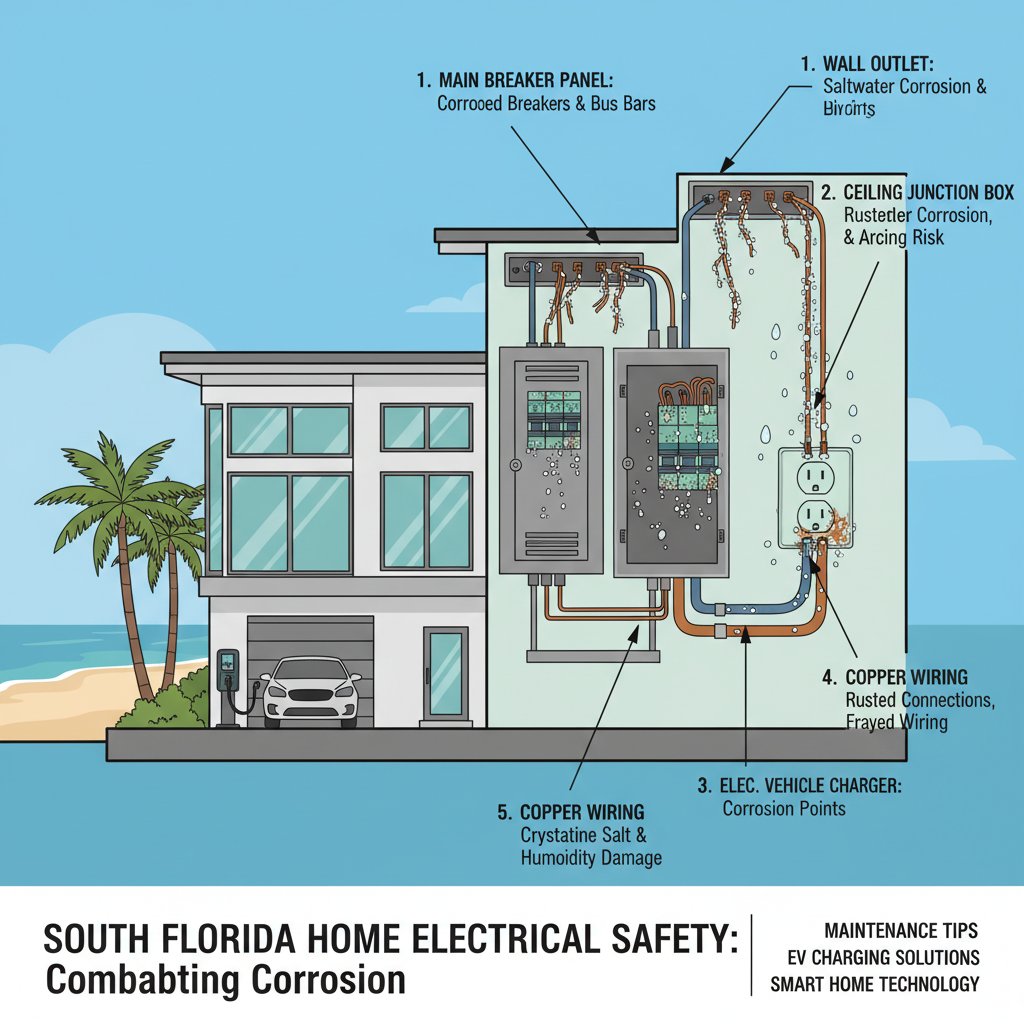
South Florida’s climate creates specific conditions that accelerate electrical system deterioration. High humidity levels cause corrosion in electrical components, outlets, and wiring. Salt air near coastal areas compounds this problem, particularly in oceanfront properties throughout Palm Beach and Miami-Dade counties. During hurricane season, power surges from lightning strikes and grid fluctuations can damage electrical systems, creating hidden fire hazards that may not manifest until weeks or months later.
Older homes built before modern electrical codes present heightened risks. Many South Florida properties constructed in the 1970s and 1980s weren’t designed to handle today’s electrical demands. Air conditioning units, smart home devices, electric vehicle chargers, and numerous electronic devices strain outdated electrical panels and wiring, creating dangerous overload conditions that can spark fires.
Common Electrical Hazards That Lead to House Fires
Outdated or Overloaded Electrical Panels
Your electrical panel serves as your home’s power distribution center. Many South Florida homes still operate with 100-amp or even 60-amp panels insufficient for modern electrical loads. When circuits consistently operate near maximum capacity, wiring heats up, insulation degrades, and fire risk increases significantly. If your breakers trip frequently or you notice a burning smell near your panel, immediate professional inspection is essential.
Faulty or Damaged Wiring
Aluminum wiring, commonly installed in homes built between 1965 and 1973, presents serious fire hazards. This wiring expands and contracts with temperature changes, loosening connections that create dangerous arcing. South Florida’s temperature fluctuations between air-conditioned interiors and extreme outdoor heat accelerate this deterioration. Additionally, rodents and pests seeking shelter during rainy seasons can chew through wire insulation, creating short circuits and fire risks.
Overloaded Outlets and Extension Cords
Extension cords provide temporary power solutions but become fire hazards when used permanently. Many South Florida homeowners daisy-chain multiple power strips to accommodate entertainment systems, home offices, and seasonal decorations. This practice bypasses circuit protection and generates excessive heat. Outlets that feel warm to the touch, show discoloration, or emit buzzing sounds indicate dangerous conditions requiring immediate attention.
Improper DIY Electrical Work
While South Florida homeowners embrace DIY home improvements, electrical work demands professional expertise. Improperly installed ceiling fans, light fixtures, or additional outlets create hidden hazards. South Florida electrical codes exist specifically to ensure safety, and unlicensed work violates these standards while potentially voiding homeowners insurance coverage in fire situations.
Essential Electrical Fire Prevention Tips
Schedule Professional Electrical Inspections
Comprehensive electrical inspections should occur every three to five years for homes under 25 years old, and annually for older properties. Licensed electricians identify deteriorating wiring, corrosion, improper installations, and code violations before they become fire hazards. Following hurricanes or severe thunderstorms, scheduling inspections helps detect surge damage that might otherwise go unnoticed until catastrophic failure occurs.
Install Arc-Fault Circuit Interrupters (AFCIs)
AFCIs represent critical electrical safety technology that detects dangerous electrical arcing and immediately shuts off power. South Florida electrical codes now require AFCI protection in bedrooms, living areas, and other specified locations in new construction and major renovations. Upgrading older homes with AFCI breakers significantly reduces fire risk, particularly in properties with aging wiring systems.
Upgrade Your Electrical Panel
If your home operates on an outdated electrical panel, upgrading to a modern 200-amp service provides safety improvements and capacity for future needs. This upgrade becomes especially important when adding electric vehicle charging stations, pool equipment, or expanding air conditioning systems. Modern panels include superior circuit protection and accommodate AFCI and GFCI breakers that older panels cannot support.
Address Moisture and Humidity Issues
South Florida’s humidity accelerates electrical component corrosion. Outdoor outlets, pool equipment, and garage electrical systems face particular vulnerability. Ensure all outdoor outlets include weatherproof covers and GFCI protection. Check electrical boxes for moisture accumulation, especially in crawl spaces, attics, and exterior walls. Dehumidification in areas housing electrical equipment extends component life and reduces fire risk.
Smart Home Safety Technology
Modern smart home technology provides advanced electrical fire prevention capabilities. Smart smoke detectors with electrical fire detection send immediate alerts to smartphones, enabling quick response even when away from home. Smart circuit breakers monitor individual circuit loads in real-time, alerting homeowners to dangerous conditions before fires start.
Energy monitoring systems track power consumption patterns and identify anomalies indicating potential electrical problems. These systems prove particularly valuable in South Florida vacation properties or second homes where electrical issues might otherwise go undetected for extended periods.
Proper Appliance Use and Maintenance
Major Appliance Considerations
Large appliances like air conditioners, refrigerators, and dryers require dedicated circuits to prevent overloading. In South Florida’s climate, air conditioning systems run extensively, stressing electrical systems. Annual HVAC maintenance should include electrical connection inspection to identify loose wiring, corroded terminals, or damaged components.
Dryer fires represent a leading electrical fire cause nationwide. Beyond cleaning lint traps after each use, annual professional dryer vent cleaning and electrical connection inspection prevents fire hazards, particularly important in humid climates where lint combines with moisture to create fire risks.
Small Appliance Safety
Kitchen appliances generate significant heat during operation. Never leave cooking appliances unattended, and ensure adequate ventilation. Avoid plugging multiple heat-generating appliances into single outlets—toasters, coffee makers, and microwaves should operate on separate circuits. Unplug small appliances when not in use, particularly during hurricane season when extended power outages followed by sudden restoration can damage electronics.
EV Charging Station Safety
Electric vehicle adoption continues accelerating across South Florida, but improper EV charging installations create serious fire hazards. Level 2 home chargers require dedicated 240-volt circuits with appropriate amperage ratings. Professional installation ensures proper wire gauge, circuit protection, and adherence to National Electrical Code requirements and south florida electrical codes specific to EV charging equipment.
Charging equipment exposed to South Florida’s weather requires appropriate weatherproofing and protection from moisture infiltration. Regular inspection of charging cables, connectors, and electrical connections prevents deterioration that could cause electrical fires.
Hurricane Season Electrical Preparedness
Hurricane season brings unique electrical challenges to Broward, Palm Beach, and Miami-Dade counties. Before storms arrive, secure outdoor electrical equipment and ensure generator connections meet code requirements. Portable generators must never connect directly to home electrical systems without proper transfer switches—improper connections cause fires and electrocution hazards.
After hurricanes pass, avoid using electrical systems until professional inspection confirms safety. Flooding can compromise wiring insulation and create short circuits, while storm surge salt water causes severe corrosion requiring extensive electrical system replacement.
Warning Signs Requiring Immediate Attention
Certain electrical symptoms demand immediate professional response to prevent fires:
- Burning smells near outlets, switches, or electrical panels
- Discolored or warm outlets and switch plates
- Flickering lights not caused by utility issues
- Buzzing or crackling sounds from electrical components
- Frequent circuit breaker trips or blown fuses
- Tingling sensations when touching appliances or fixtures
- Visible sparking from outlets or switches
Never ignore these warning signs. Electrical problems worsen over time, and delaying professional intervention increases fire risk exponentially.
The Importance of Licensed Professional Electricians
South Florida electrical codes exist to protect homeowners, but only licensed electricians possess the training and expertise to ensure compliance. Professional electricians understand local code requirements, proper installation techniques, and how South Florida’s climate affects electrical systems. They carry appropriate insurance protecting homeowners from liability, and their work includes permits and inspections verifying safety compliance.
Quality electrical contractors provide warranties on their work, offering peace of mind that repairs and installations meet the highest safety standards. When selecting an electrician, verify licensing, insurance coverage, and local references from Palm Beach, Broward, or Miami-Dade homeowners.
Creating a Comprehensive Home Electrical Safety Plan
Proactive electrical fire prevention requires systematic approach. Document your home’s electrical system details, including panel location, circuit mapping, and major appliance locations. Maintain records of electrical inspections, repairs, and upgrades. This documentation proves invaluable during insurance claims and when selling your property.
Install smoke detectors in every bedroom, outside sleeping areas, and on each level of your home. Test monthly and replace batteries annually. Consider interconnected smoke detectors that trigger throughout your home when one detects danger, providing maximum warning time for evacuation.
Develop and practice family evacuation plans. Electrical fires spread rapidly, and every second counts during emergencies. Ensure family members know never to use water on electrical fires and keep appropriate fire extinguishers accessible.
Protect Your South Florida Home Today
Electrical fire prevention requires vigilance, professional expertise, and commitment to safety. South Florida homeowners face unique challenges from climate conditions, but proactive measures significantly reduce fire risks. Regular inspections, prompt repairs, appropriate upgrades, and professional installations create layers of protection for your family and property.
Don’t wait for warning signs to address electrical safety concerns. Global Power & AC Corp serves Palm Beach, Broward, and Miami-Dade counties with comprehensive electrical services backed by an 8-year warranty and same-day service availability. Our licensed electricians understand South Florida’s specific electrical challenges and provide solutions that protect your home for years to come.
Contact Global Power & AC Corp today to schedule your comprehensive electrical safety inspection. Investing in professional electrical fire prevention provides invaluable peace of mind knowing your home’s electrical system operates safely and reliably, protecting what matters most—your family and your home.
Frequently Asked Questions
How often should I have my home’s electrical system inspected?
Homes under 25 years old should receive professional electrical inspections every 3-5 years. Older homes benefit from annual inspections, particularly in South Florida where humidity and weather accelerate electrical component deterioration. Schedule additional inspections after hurricanes, flooding, or when purchasing a home.
What are the most common causes of electrical fires in homes?
The leading causes include faulty or outdated wiring, overloaded circuits, improper use of extension cords, malfunctioning appliances, and outdated electrical panels. In South Florida, humidity-related corrosion and storm damage also contribute significantly to electrical fire risks.
Can I install AFCI breakers myself to improve electrical safety?
Electrical panel work requires licensed professionals. Improper breaker installation creates serious safety hazards and violates South Florida electrical codes. Licensed electricians ensure correct breaker selection, proper installation, and system compatibility while obtaining necessary permits.
What should I do if I smell burning near an outlet or electrical panel?
Immediately turn off power to the affected circuit at your electrical panel if you can safely do so. Do not use the outlet or circuit. Contact a licensed electrician for emergency inspection and repair. Burning smells indicate dangerous conditions requiring immediate professional attention to prevent fires.
Does homeowners insurance cover electrical fire damage if I didn’t maintain my system?
Insurance coverage varies, but neglected maintenance or unpermitted DIY electrical work may limit or void coverage. Maintaining documentation of professional inspections, repairs, and upgrades helps ensure full coverage. Regular professional maintenance protects both your safety and insurance eligibility.