
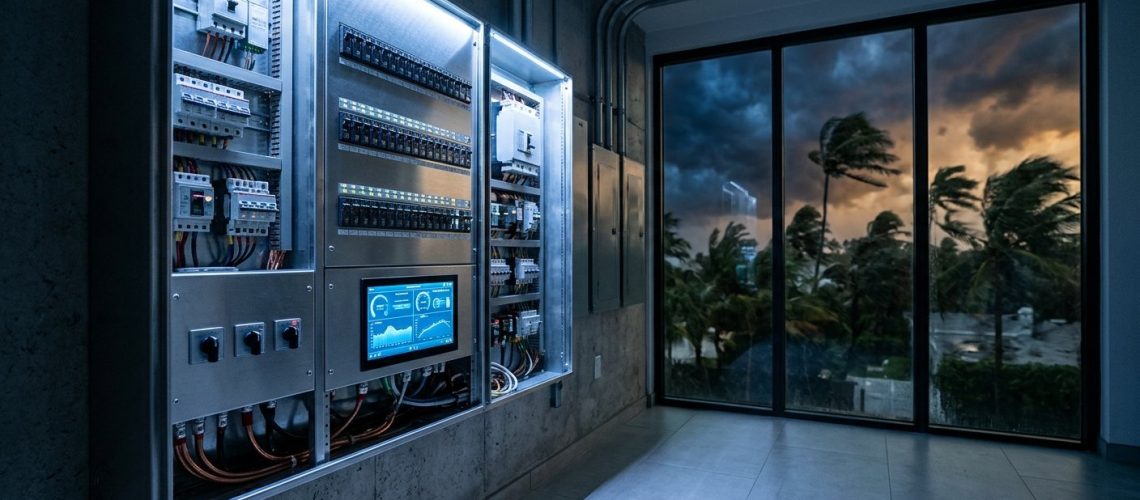
When the power goes out, your standby generator cannot safely run every appliance in your home at once. Knowing which circuits to prioritize — and in what order — protects your generator from overload, extends its runtime, and keeps your family comfortable and safe. This guide helps South Florida homeowners build a smart load plan before the next storm hits.
- Never try to power everything simultaneously — start with life-safety loads, then comfort, then convenience.
- Automatic load management modules can shed and restore circuits intelligently without homeowner intervention.
- Proper load planning protects your generator’s engine and your home’s wiring from costly damage.
- A licensed electrician should design your transfer switch and load schedule before an outage occurs.
- South Florida’s heat makes cooling a true safety priority, not just a comfort preference.
Why Load Order Matters More Than Generator Size
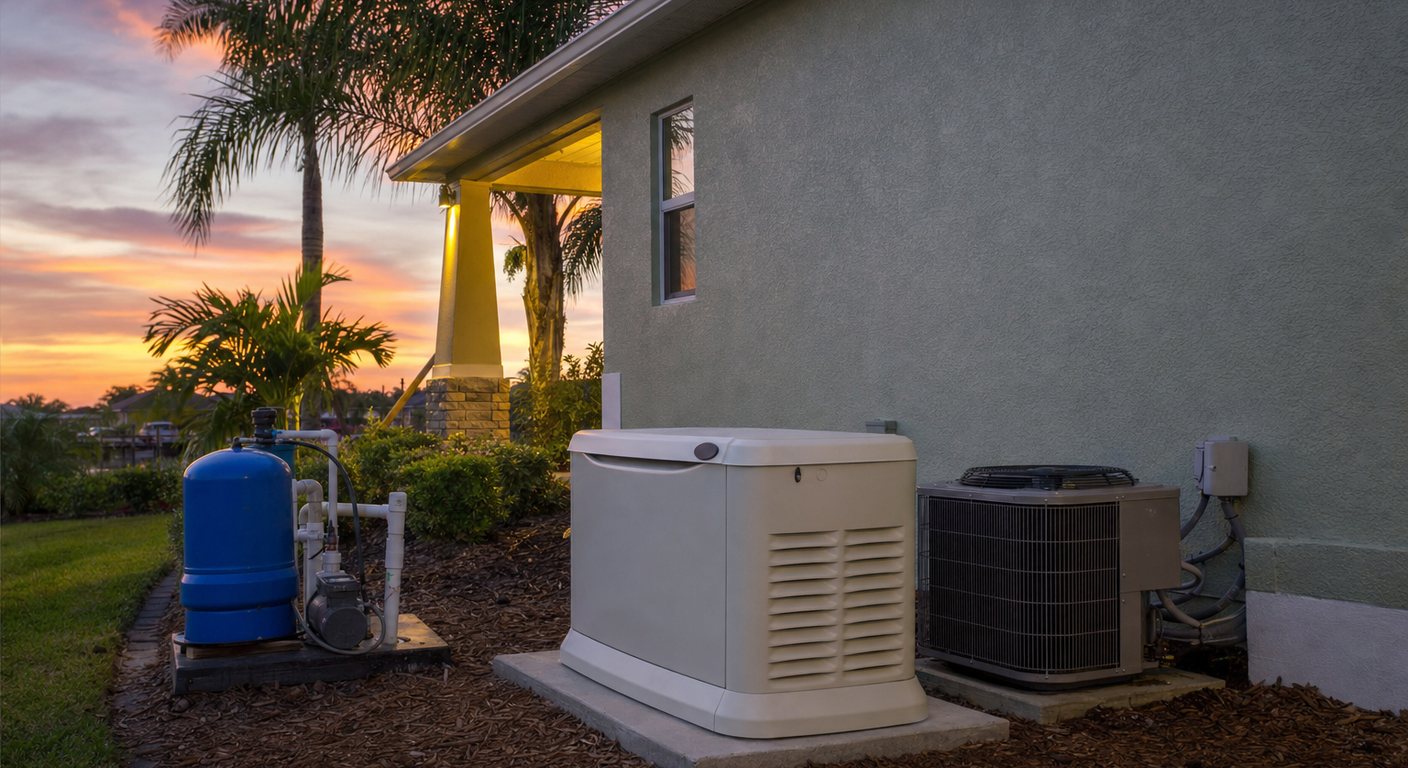
Many homeowners assume that buying a larger whole house generator solves all capacity concerns. In reality, even a properly sized unit can trip, stall, or sustain engine damage if too many high-draw appliances start simultaneously. Electric motors — found in air conditioners, refrigerators, and well pumps — draw two to six times their running wattage at startup. That inrush current is the most common cause of generator overload during the first few minutes of an outage.
Planning your load order is about sequencing, not just capacity. When appliances are staged — started one at a time with brief pauses in between — your generator handles the same total load far more safely than if everything kicks on at once.
Never connect a portable generator directly to your home’s wiring without a transfer switch. Backfeed onto utility lines is a leading cause of utility worker fatalities during storm restoration. Florida law and the National Electrical Code (NFPA 70) require an approved transfer switch for any generator connected to a home’s electrical system.
Tier 1: Life-Safety Loads — Power These First
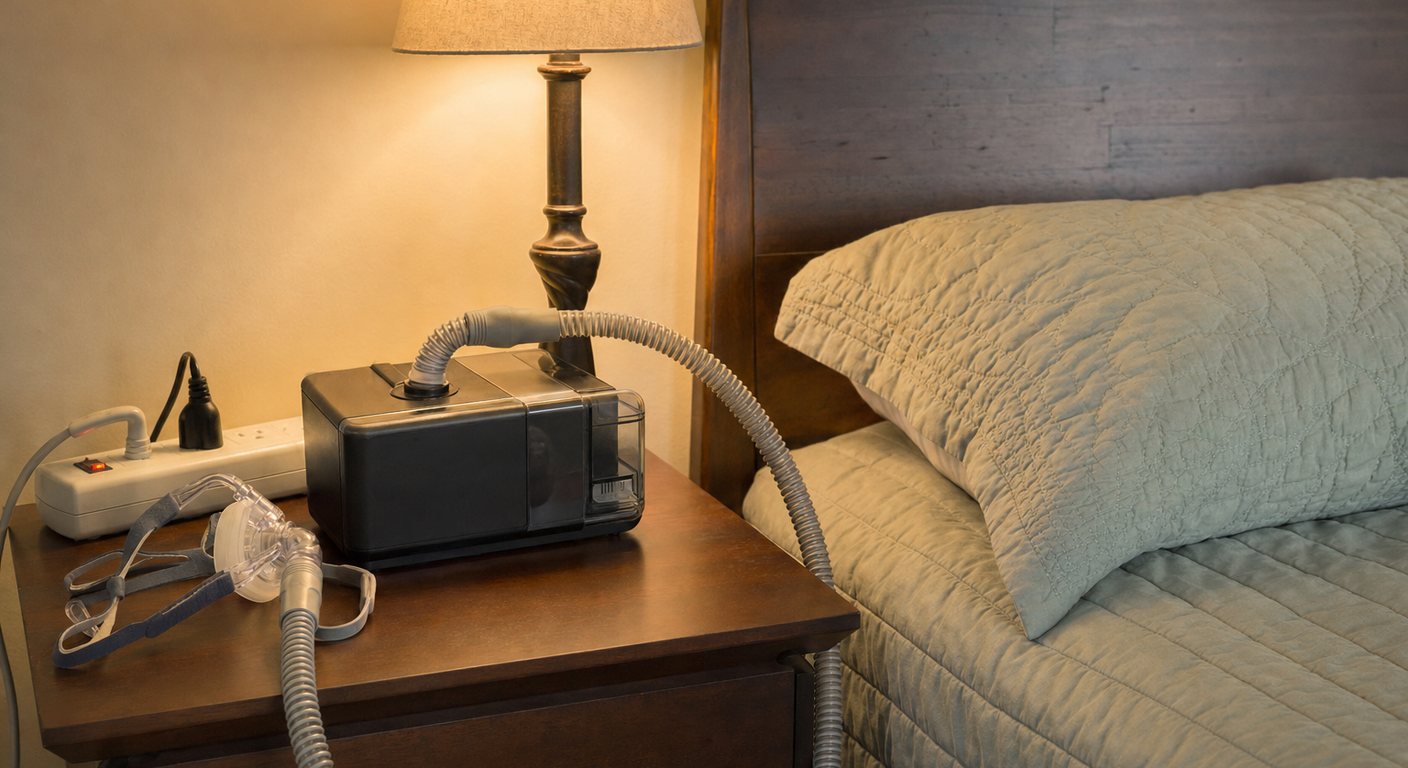
Your first priority in any outage is the equipment that keeps people alive and the structure secure. These circuits should always be on your generator’s protected list, regardless of how much capacity you have remaining.
- Medical equipment — CPAP machines, oxygen concentrators, home dialysis, and other life-sustaining devices take absolute priority.
- Refrigerator and freezer — Food safety deteriorates quickly in South Florida’s heat. The USDA food safety guidelines state that a refrigerator keeps food safe for about four hours without power when the door stays closed.
- Sump pump or water intrusion system — During a tropical storm, losing your sump pump during peak rainfall can flood a home in hours.
- Smoke and CO detectors — Hardwired detectors with battery backup should still be verified as functional.
- Basic lighting — Enough to navigate safely, especially in homes with elderly occupants or young children.
In Palm Beach, Broward, and Miami-Dade counties, indoor temperatures can reach dangerous levels within hours during a summer outage. For vulnerable residents — the elderly, infants, and those with certain medical conditions — air conditioning is not a luxury. It belongs in Tier 1 or early Tier 2 planning.
Tier 2: Comfort and Essential Operations — Power These Second
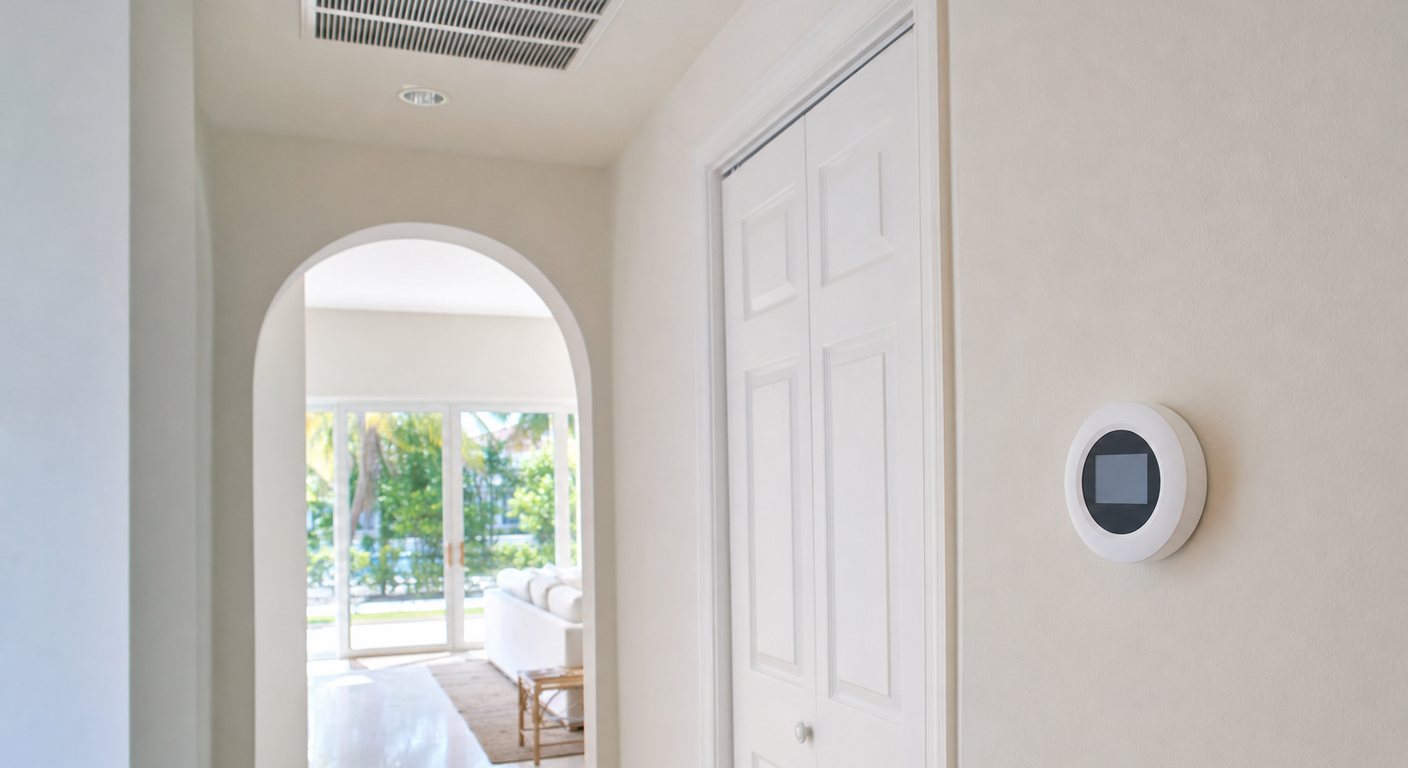
Once life-safety loads are running stably, bring on comfort and essential household systems. Stage these in sequence, waiting 30–60 seconds between each motor-driven appliance to let your generator recover from startup inrush.
- Central air conditioning (one zone at a time) — Start the smallest zone first. If you have a two-stage or variable-speed system, it draws significantly less on startup than a single-stage unit.
- Water heater — A tankless electric water heater is a heavy load; consider delaying it or switching to cold showers during extended outages to preserve capacity.
- Well pump — Homes on private wells need this for sanitation. Stage it after the AC compressor has stabilized.
- Home office and communication equipment — Routers, computers, and phones keep you connected to emergency alerts and remote work.
Start life-safety loads
Medical equipment, refrigerator, sump pump, and essential lighting. Confirm each is running before proceeding.
Wait 60 seconds
Allow generator voltage and frequency to stabilize after the initial load surge.
Start one HVAC zone
Engage the air conditioning system. Watch the generator’s load indicator if available. If it’s near capacity, do not add more until the AC compressor settles into running mode.
Add remaining Tier 2 loads
Well pump, water heater (if capacity allows), and home office equipment — one at a time, with pauses.
Assess remaining capacity
Check your load display or generator’s rated output before adding any Tier 3 convenience loads.
Tier 3: Convenience Loads — Power These Only If Capacity Allows
Electric dryers, dishwashers, ovens, secondary televisions, and pool pumps fall into this tier. These are not emergency necessities. During an extended outage, skipping them entirely is the smart move. If you have headroom on your generator’s capacity after Tier 1 and Tier 2 are running steadily, you can selectively add convenience loads — but always be prepared to shed them if the generator shows signs of strain.
| Load type | Typical startup draw | Priority tier |
|---|---|---|
| Medical equipment | Low | Tier 1 — always on |
| Refrigerator/freezer | Moderate (motor startup) | Tier 1 — always on |
| Central AC (3-ton unit) | High inrush | Tier 2 — stage carefully |
| Well pump | High inrush | Tier 2 — after AC stabilizes |
| Electric dryer | Very high | Tier 3 — convenience only |
| Pool pump | Moderate | Tier 3 — skip if near capacity |
How Automatic Load Management Works
Modern automatic standby generators — particularly units with integrated load management modules — take much of this guesswork out of your hands. These systems continuously monitor how much power your generator is producing versus how much your home is consuming. When a large appliance like an AC unit starts and pulls the generator toward its maximum output, the load management module temporarily sheds lower-priority circuits — such as water heaters or pool pumps — until capacity is available again.
When the demand spike passes, the shed circuits are automatically restored. The homeowner never loses refrigeration or medical equipment; they simply may notice a brief pause in the water heater cycle. This kind of intelligent load sequencing is a core reason why a professionally installed automatic standby generator outperforms a portable generator setup in reliability and safety.
The goal of load management isn’t to run less — it’s to run smarter, so the right things stay on no matter what.
If you’re evaluating whole house generator options for your South Florida home, our generator installation service page outlines the equipment and planning process in detail. For property managers or business owners concerned about electrical reliability, the principles in commercial electrical maintenance and downtime prevention apply equally to generator load planning in a business context.
The Role of Your Electrical Panel in Load Planning
Your home’s electrical panel is the backbone of any load management plan. An undersized or outdated panel may not support the transfer switch configuration needed for a whole house generator. If your home still has a panel from the 1980s or 1990s, or if breakers trip frequently, an electrical panel upgrade may be a necessary step before generator installation.
A licensed electrician will also identify which circuits feed which loads, allowing them to wire the transfer switch to protect your priority circuits first. Without this map, load management — automatic or manual — cannot function as designed.
Ask your electrician to label every breaker clearly during installation. In a real emergency, you or a family member may need to manually shed loads quickly. Clear labeling makes that possible without confusion or guesswork.
Frequently Asked Questions
Can I run my central air conditioning on a standby generator?
Yes, but it requires a properly sized generator and careful load sequencing. Central AC units have high startup inrush currents. A licensed electrician will calculate your AC unit’s requirements and match them to a generator with sufficient capacity. Automatic load management modules can also help by temporarily shedding other loads when the compressor starts.
What happens if my generator gets overloaded?
Most modern generators have overload protection that shuts the unit down automatically to prevent engine damage. While this protects the machine, it also cuts power to everything — including life-safety loads. Proper load planning prevents overload situations from occurring in the first place.
How do I know what size generator I need for my South Florida home?
A licensed electrician performs a load calculation based on your home’s square footage, number of AC zones, major appliances, and any medical equipment. There is no universal answer — sizing is specific to your home and your load priorities. This calculation is typically part of a home backup power consultation.
Is automatic load management worth the added cost?
For most South Florida homeowners, yes. Automatic load management allows you to protect more circuits with a smaller, less expensive generator — and it removes the need to manually manage loads during a stressful outage. The module pays for itself in peace of mind and reduced risk of engine damage from overloading.
Does a standby generator require permits in Palm Beach, Broward, or Miami-Dade counties?
Yes. Standby generator installation requires electrical and mechanical permits in all three counties. A licensed electrical contractor handles the permit process as part of the installation. Work performed without permits may not pass inspection, could void your homeowner’s insurance, and creates liability issues when selling your home.
Ready to Build a Smarter Backup Power Plan?
Contact Global Power & AC Corp for a load assessment and generator consultation — we serve homeowners throughout Palm Beach, Broward, and Miami-Dade counties with licensed installation and an 8-year warranty on workmanship.

About Global Power & AC Corp
Global Power & AC Corp is a trusted electrical contractor serving homeowners and businesses throughout South Florida's Palm Beach, Broward, and Miami-Dade counties. The company specializes in residential electrical services including panel upgrades, EV charger installation, standby generators, smart home integration, and comprehensive electrical safety solutions. With a commitment to quality craftsmanship backed by an 8-year warranty and same-day service availability, Global Power & AC Corp combines family-owned values with corporate-level professionalism to deliver reliable electrical solutions tailored to South Florida's unique climate challenges. Visit globalpowerpb.com →