
Nearly 51,000 home electrical fires occur in the United States each year, according to the National Fire Protection Association. Many of those incidents trace back to outdated wiring, improper installations, or electrical systems that no longer meet current code requirements. For homeowners across Palm Beach, Broward, and Miami-Dade counties, staying current with electrical codes isn’t just a legal checkbox — it’s a critical layer of protection for your family and your investment.
South Florida presents a unique electrical environment. Between the relentless humidity, daily afternoon thunderstorms, and hurricane season stretching from June through November, your home’s electrical system works harder and faces more stress than systems in most other parts of the country. Understanding what electrical code compliance means for your home — and when you need a professional inspection — can save you from costly repairs, failed home sales, or worse.
What Is Electrical Code Compliance?
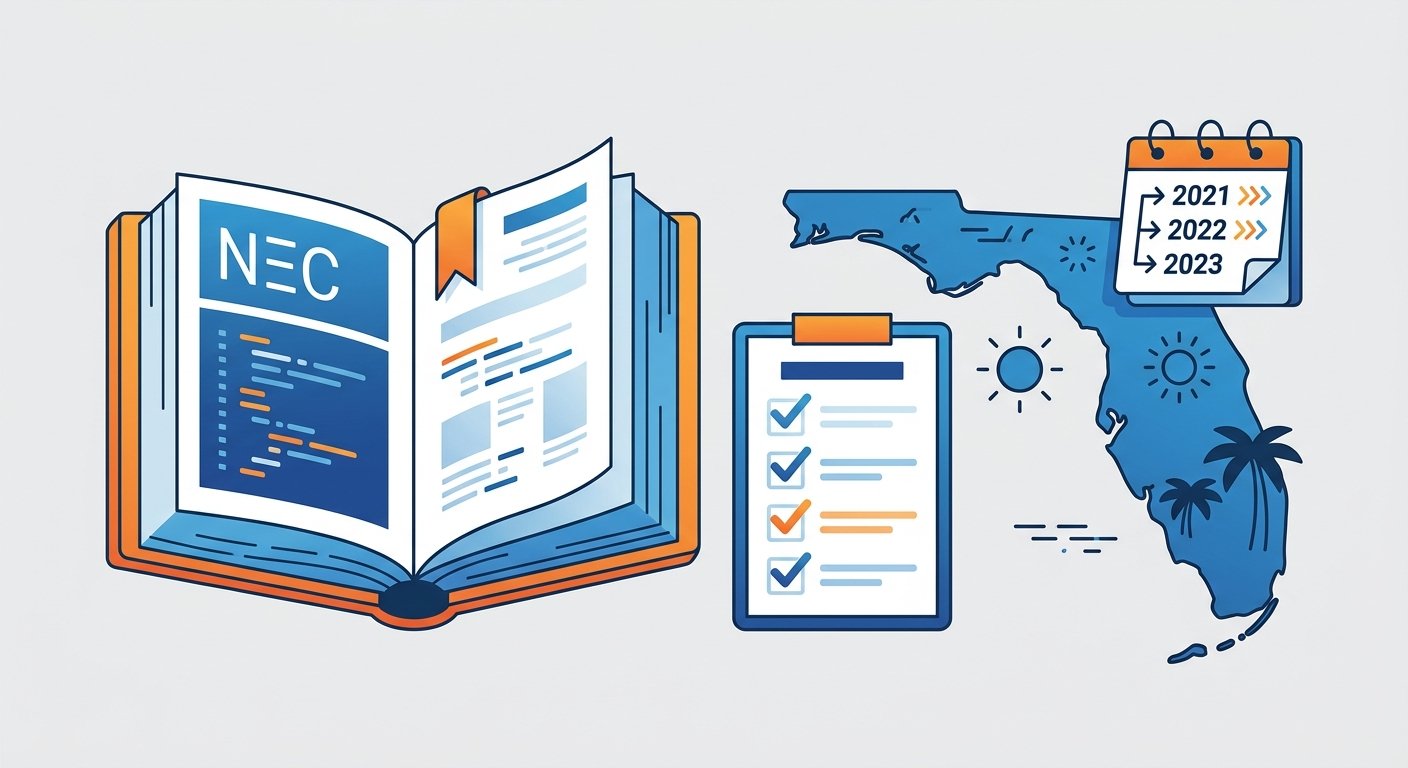
Electrical code compliance means your home’s electrical system meets the standards outlined in the National Electrical Code (NEC), as adopted and amended by the state of Florida. The NEC is updated every three years, and Florida typically adopts each new edition with state-specific amendments that reflect local conditions and safety priorities.
The Florida Building Code governs electrical installations statewide, and local jurisdictions — including Palm Beach County, Broward County, and Miami-Dade County — can apply additional requirements on top of the state baseline. This layered system means that what was perfectly legal and up to code when your home was built may not meet today’s standards.
It’s important to note: existing homes are not automatically required to upgrade every system the moment a new code edition is adopted. However, code compliance becomes mandatory when you renovate, sell, add to, or modify your electrical system. Any permitted electrical work must meet the current adopted code at the time of permit application.
Why South Florida Electrical Codes Are Stricter Than Most
Florida’s climate demands more from electrical systems than average. High humidity accelerates corrosion on wiring connections and panel components. Frequent lightning strikes — Florida leads the nation in lightning activity — place heavy surge demands on electrical infrastructure. And hurricane-force winds can compromise everything from service entrance cables to whole-home generators.
This is why Florida’s adopted version of the NEC includes important regional modifications. Some key code areas that directly affect South Florida homeowners include:
- AFCI (Arc-Fault Circuit Interrupter) protection: Required for most living areas, bedrooms, and common spaces in new construction and significant renovations. Arc faults are a leading cause of electrical fires and are particularly dangerous in older homes.
- GFCI (Ground-Fault Circuit Interrupter) protection: Required in kitchens, bathrooms, garages, outdoors, and any area near water — critical in a region where outdoor living spaces and pool areas are standard features.
- Surge protection: Given South Florida’s extraordinary lightning exposure, whole-home surge protection is increasingly important and in some jurisdictions is required for new construction.
- Panel capacity requirements: With the growing adoption of EV chargers, smart home systems, and high-demand appliances, older 100-amp panels frequently fall short of safe and functional capacity for modern South Florida homes.
- Hurricane-rated installations: Service entrances, meter bases, and outdoor electrical equipment must be installed to withstand significant wind loads per Florida’s wind zone requirements.
The Florida Building Commission maintains the state’s current adopted codes, which is a useful reference point when planning any home improvement project.
When Does Your Home Need an Electrical Inspection?
Many homeowners only think about electrical inspections during major renovations or when something goes wrong. But there are several specific situations where a professional electrical safety inspection isn’t just recommended — it’s essential.
Buying or Selling a Home
Real estate transactions are a common trigger for electrical evaluations. Buyers increasingly request independent electrical inspections beyond the standard home inspection. Lenders and insurance companies in South Florida often require evidence that a home’s electrical system is safe and code-compliant before finalizing coverage or financing. If you’re selling a home with a federal Pacific or Zinsco panel — both known for serious safety defects — a buyer’s lender may require replacement before closing.
Aging Electrical Systems
Homes built before the 1990s in Palm Beach, Broward, and Miami-Dade counties often contain wiring and panel configurations that predate modern safety requirements. Aluminum branch circuit wiring, two-prong ungrounded outlets, and undersized panels are all common findings in older South Florida homes. These systems may function day-to-day but carry real safety risks.
Home Renovations or Additions
Adding a room, converting a garage, building a covered outdoor kitchen, or even finishing a screened porch all typically require permits — and permitted work requires a licensed electrical contractor and a formal inspection by your local building department. Skipping permits doesn’t just risk fines; it creates liability issues and potential problems when you eventually sell the home.
Installing EV Chargers or New High-Load Equipment
Level 2 EV charger installation typically requires a dedicated 240-volt circuit and a panel evaluation. If your panel is already running close to capacity, you may need a panel upgrade before the charger can be safely installed. The same applies to adding a whole-home standby generator, a hot tub, or a high-efficiency HVAC system.
After Storm Damage
Following a tropical storm or hurricane, water intrusion into electrical panels, outlets, or wiring is a serious hazard. Even if power is restored and everything appears functional, moisture inside electrical components can cause delayed failures, corrosion, or fire risks. A post-storm inspection by a licensed electrician is strongly recommended before resuming normal use of affected circuits.
Common Code Violations Found in South Florida Homes
During electrical inspections across Palm Beach, Broward, and Miami-Dade counties, licensed electricians commonly find the following issues in existing homes:
- Overloaded or double-tapped breakers in the main panel
- Missing GFCI protection in kitchens, bathrooms, and outdoor areas
- Improper or missing AFCI protection in bedrooms and living spaces
- Aluminum branch circuit wiring without proper terminations
- Outdated Federal Pacific Stab-Lok or Zinsco panels
- Exposed wiring or improperly spliced connections in attics
- Insufficient panel capacity (100-amp service in homes with heavy electrical loads)
- Improperly installed or missing whole-home surge protection
- Outdoor outlets and fixtures not rated for wet or damp locations
Each of these findings represents a genuine safety concern — not just a technicality. Addressing them proactively protects your family, reduces insurance risk, and preserves your home’s value.
Smart Home Integration and Code Compliance
The growing popularity of smart home electrical systems introduces new compliance considerations. Smart panels, automated lighting systems, whole-home audio, and EV charging infrastructure all require careful integration with your existing electrical system. Improper installation of smart devices can create grounding issues, overloaded circuits, or interference with AFCI/GFCI protection. Licensed electricians who are experienced with modern smart home technology ensure these systems are installed correctly, safely, and in full compliance with current code requirements.
Frequently Asked Questions
How often should a South Florida home have an electrical inspection?
Most electrical experts recommend a comprehensive home electrical inspection every 10 years for homes under 40 years old, and every 5 years for older homes. You should also schedule an inspection after any significant storm damage, before major renovations, and when purchasing a home. Given South Florida’s demanding climate, proactive inspections are especially worthwhile.
Does my older home have to be upgraded to meet current electrical codes?
Not automatically. Existing homes are generally grandfathered under the code in effect at the time they were built. However, code compliance becomes required when you perform permitted electrical work, sell the home, or make structural additions. A licensed electrician can assess your specific situation and identify what, if anything, requires immediate attention for safety versus longer-term upgrades.
What permits are required for electrical work in Palm Beach or Broward County?
Most electrical work beyond simple device replacements requires a permit. This includes panel upgrades, new circuit installation, EV charger installation, generator hookups, and significant rewiring. Permits are pulled by your licensed electrical contractor, and the work must be inspected by the local building department upon completion. Working without required permits creates legal exposure and can complicate future home sales.
How do I know if my electrical panel needs to be replaced?
Signs that a panel replacement may be needed include frequently tripped breakers, flickering lights, burning smells near the panel, a panel that feels warm to the touch, breakers that won’t reset, or an older panel brand known for defects (Federal Pacific, Zinsco, or Pushmatic). If your home still has a 100-amp service and you’ve added significant electrical loads in recent years, a capacity upgrade may also be warranted. A professional inspection provides a definitive answer.
What is the difference between an electrical inspection and a code compliance inspection?
A home electrical inspection evaluates the condition, safety, and functionality of your electrical system. A code compliance inspection, typically performed by a local building department inspector, verifies that permitted electrical work meets the currently adopted Florida Building Code. Both serve important purposes. For homeowners, a professional electrical safety inspection is the best starting point to understand the current state of their system.
Protect Your Home with Expert Electrical Service
Electrical code compliance isn’t about bureaucracy — it’s about protecting the people and the property you’ve worked hard for. South Florida’s climate, storm exposure, and the growing demands of modern home technology make staying current with your electrical system more important than ever.
At Global Power & AC Corp, we’re a licensed and insured electrical contractor proudly serving homeowners and businesses throughout Palm Beach, Broward, and Miami-Dade counties. From comprehensive electrical safety inspections and panel upgrades to smart home integration and EV charger installation, our team brings the expertise and craftsmanship your home deserves — backed by an 8-year warranty on workmanship and same-day service availability.
Whether you’re concerned about an aging system, planning a renovation, or simply want peace of mind, we’re here to help. Contact Global Power & AC Corp today at (561) 203-0080 to schedule your inspection or consultation. Trusted, local, and built on quality — that’s the Global Power & AC Corp difference.