
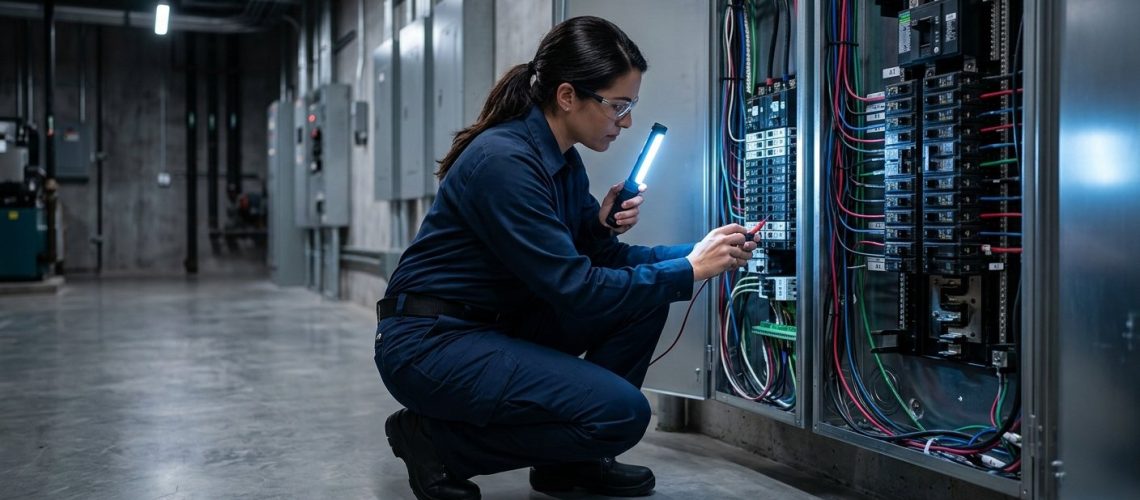
Electrical failures are among the leading causes of commercial property fires in the United States, according to the National Fire Protection Association. For business owners across Palm Beach, Broward, and Miami-Dade counties, that statistic hits close to home — especially when you consider how South Florida’s extreme humidity, intense thunderstorms, and hurricane season put additional stress on commercial electrical systems year-round.
A commercial electrical inspection isn’t just a regulatory checkbox. It’s a proactive investment in the safety of your employees, customers, and property. Whether you manage a retail storefront in Boca Raton, a restaurant in Fort Lauderdale, or an office building in West Palm Beach, understanding what commercial electrical inspections involve — and why they matter — can help you avoid costly surprises and keep your business running smoothly.
What Is a Commercial Electrical Inspection?
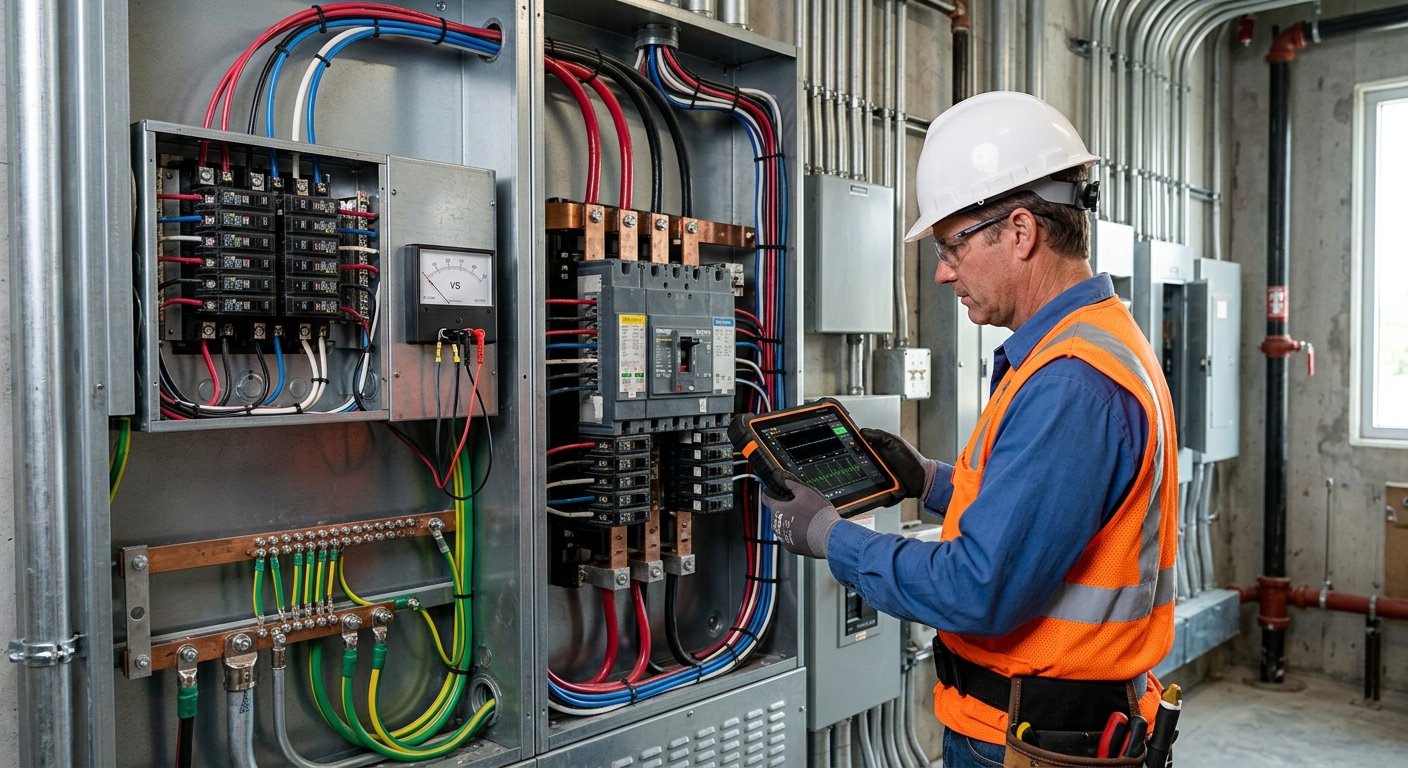
A commercial electrical inspection is a thorough evaluation of a building’s entire electrical infrastructure, conducted by a licensed commercial electrician. Unlike a basic residential checkup, commercial inspections assess higher-voltage systems, three-phase power distribution, industrial-grade wiring, and complex load-bearing panels that power everything from HVAC systems to commercial kitchen equipment and office electrical installations.
During an inspection, a qualified electrician examines:
- The main electrical panel and subpanels for signs of overloading, corrosion, or outdated components
- Wiring throughout the building, including inside walls, ceilings, and conduit runs
- Grounding and bonding systems to ensure proper fault protection
- Circuit breakers, fuses, and disconnect switches
- Outlet and receptacle conditions, especially in high-use areas
- Lighting systems, emergency exit lights, and safety signage circuits
- Surge protection and power quality equipment
- Compliance with the current National Electrical Code (NEC) and Florida Building Code requirements
In South Florida, inspectors also pay close attention to moisture infiltration and corrosion — two issues that are far more prevalent here than in drier climates. Salt air near the coast, combined with year-round humidity, can silently degrade wiring insulation and electrical connections over time.
Why Business Electrical Safety Cannot Wait
Many business owners delay commercial electrical maintenance until something goes wrong. That reactive approach is expensive — and dangerous. Here’s what’s actually at stake when commercial electrical systems are left uninspected for extended periods.
Fire Risk and Property Damage
Faulty wiring, overloaded circuits, and deteriorating connections generate heat. In a commercial setting where equipment runs continuously, that heat buildup can ignite insulation or surrounding materials with little warning. A fire doesn’t just destroy property — it can shut down your operations entirely, result in significant liability, and endanger lives.
Business Interruption and Revenue Loss
An unexpected electrical failure that knocks out power to your business for even a few days can cost thousands of dollars in lost revenue, spoiled inventory, and emergency repair fees. Scheduled commercial electrical inspections identify vulnerabilities before they become failures, giving you the opportunity to plan and budget for repairs proactively.
Insurance and Liability Implications
Commercial property insurance policies often include clauses related to electrical system maintenance. Failing to maintain your electrical infrastructure and document inspections could complicate claims after an incident. Regular inspections provide documented evidence that your business met reasonable standards of care.
Code Compliance and Permitting
Florida’s electrical codes are updated regularly to reflect improved safety standards. Buildings constructed or wired to older code standards may be technically out of compliance with today’s requirements, particularly if you’ve added new equipment or expanded your office electrical installation. A licensed commercial electrician can identify where upgrades are needed to bring your facility into compliance.
How South Florida’s Climate Affects Commercial Electrical Systems
South Florida’s environment creates electrical challenges that businesses in other parts of the country simply don’t face to the same degree. Understanding these regional factors underscores why commercial electrical inspections here need to be thorough and scheduled more frequently than national averages might suggest.
Hurricane Season Preparedness
Every hurricane season from June through November brings the potential for power surges, flooding, downed power lines, and physical damage to electrical infrastructure. Post-storm inspections are critical to ensure that water intrusion hasn’t compromised wiring, that panels haven’t been damaged by surge events, and that standby generator connections are intact and operational.
Humidity and Corrosion
High humidity accelerates corrosion on electrical terminals, panel bus bars, and conduit connections. In coastal areas throughout Palm Beach and Miami-Dade counties, salt air compounds this problem. An inspection can identify early-stage corrosion before it causes circuit failures or creates dangerous arcing conditions inside panels.
Heat and Electrical Load Demands
South Florida businesses run air conditioning virtually year-round, placing constant demand on commercial electrical systems. This persistent high load increases wear on circuit breakers and wiring, making commercial electrical maintenance even more critical to prevent component fatigue and failure.
What to Expect During a Commercial Inspection
Knowing what the process looks like helps business owners prepare and minimizes disruption to daily operations. A professional commercial electrical inspection typically follows these steps:
- Initial walkthrough: The electrician reviews your facility layout, identifies all electrical panels and major equipment, and discusses any known concerns or recent changes to your systems.
- Panel inspection: Each electrical panel is opened and inspected for overloaded circuits, improper wiring, heat damage, double-tapped breakers, and corrosion.
- Wiring assessment: Accessible wiring is inspected for insulation condition, proper support, and signs of pest damage or moisture exposure.
- Load testing: Circuits may be tested under load conditions to identify voltage drops, imbalances, or overloaded runs.
- Code compliance review: The electrician identifies any conditions that don’t meet current Florida Building Code or NEC standards.
- Written report: A detailed inspection report is provided, outlining findings, recommended repairs, and priority levels so you can make informed decisions.
According to the Occupational Safety and Health Administration (OSHA), electrical hazards are among the most frequently cited workplace safety violations. Maintaining documented electrical inspections is one of the most effective ways employers can demonstrate compliance with workplace safety obligations.
When Should You Schedule a Commercial Electrical Inspection?
There’s no single universal answer, but the following situations are clear indicators that a commercial electrical inspection should be scheduled without delay:
- Your building is more than 10 years old and hasn’t been recently inspected
- You’re adding new equipment, expanding your space, or completing an office electrical installation
- Breakers trip frequently or unexpectedly
- You notice flickering lights, burning smells, or discolored outlets
- Following a major storm, flooding event, or power surge
- Preparing to purchase or lease a commercial property
- Renewing your business insurance policy
As a general best practice, most commercial properties benefit from a full electrical inspection every three to five years, with annual visual checks in between. High-demand facilities such as restaurants, medical offices, and manufacturing spaces may need more frequent inspections due to heavier electrical loads and more complex systems.
Connecting Inspections to Broader Electrical Upgrades
A commercial electrical inspection rarely ends the conversation — it often starts one. Inspections frequently reveal the need for a panel upgrade to handle modern electrical demands, or highlight gaps in surge protection and grounding that should be addressed. Some businesses discover that their facility is an excellent candidate for smart electrical integration, enabling better energy monitoring, automated controls, and improved efficiency across their operations.
Treating an inspection as the foundation of a broader electrical maintenance strategy — rather than a one-time task — is how smart business owners protect their investments long-term. If you’d like to learn more about the importance of ongoing assessments, our electrical safety inspections page provides additional detail on what a comprehensive evaluation covers.
Frequently Asked Questions
How long does a commercial electrical inspection take?
The duration depends on the size and complexity of your facility. A small office or retail space might take two to three hours, while a large warehouse or multi-unit commercial property could require a full day. Your electrician will give you a realistic time estimate before the inspection begins so you can plan accordingly.
Will my business need to close during the inspection?
In most cases, a commercial electrical inspection can be conducted while normal business operations continue. Some panel work may require brief power interruptions, which a skilled electrician will coordinate with you in advance to minimize disruption.
Is a commercial electrical inspection required by law in Florida?
Florida does not mandate commercial electrical inspections on a fixed universal schedule, but inspections are required when permits are pulled for new work, renovations, or equipment additions. Certain industries and insurance carriers may also require documented inspections as part of their compliance or coverage standards.
How much does a commercial electrical inspection cost?
Costs vary based on building size, system complexity, and the scope of the inspection. Rather than choosing the cheapest option, focus on hiring a licensed, insured commercial electrician who provides a detailed written report. The insight you gain far outweighs the upfront cost when you consider the fire, liability, and equipment risks at stake.
Can I use the same electrician for both inspections and repairs?
Absolutely — and it’s often the more efficient choice. An electrician familiar with your facility’s electrical layout can perform inspections more thoroughly and execute any recommended repairs with greater precision and continuity. Building that ongoing relationship with a trusted electrical contractor is a smart long-term strategy for commercial electrical maintenance.
Schedule Your Commercial Electrical Inspection Today
Global Power & AC Corp is a licensed and insured electrical contractor serving businesses throughout Palm Beach, Broward, and Miami-Dade counties. From West Palm Beach and Delray Beach to Fort Lauderdale and beyond, our team brings the expertise, professionalism, and attention to detail that commercial properties demand. We back our work with an 8-year warranty on workmanship, and same-day service is available for urgent electrical concerns.
Don’t wait for an electrical failure to reveal vulnerabilities in your building’s system. Protect your employees, your customers, and your investment with a professional commercial electrical inspection. Call us today at (561) 203-0080 to schedule your assessment or request a consultation.