
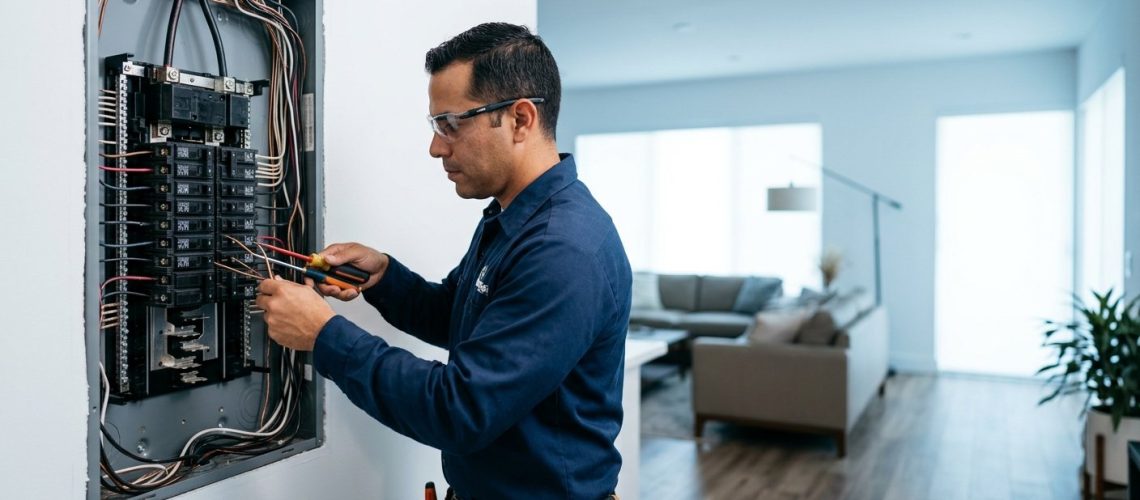
Nearly 51,000 home electrical fires occur in the United States every year, according to the U.S. Fire Administration — and a significant percentage trace back to faulty or outdated wiring. For South Florida homeowners, the stakes are even higher. The combination of intense humidity, frequent thunderstorms, and decades-old housing stock across Palm Beach, Broward, and Miami-Dade counties creates conditions where aging electrical systems can quietly become serious hazards.
If your home is more than 30 to 40 years old, or if you’ve been noticing unusual electrical behavior, whole-house rewiring might not just be a smart investment — it could be an essential one. Here’s everything you need to know about recognizing the signs, understanding the process, and knowing what to expect when it’s time for a full electrical wiring replacement.
What Is Whole-House Rewiring?
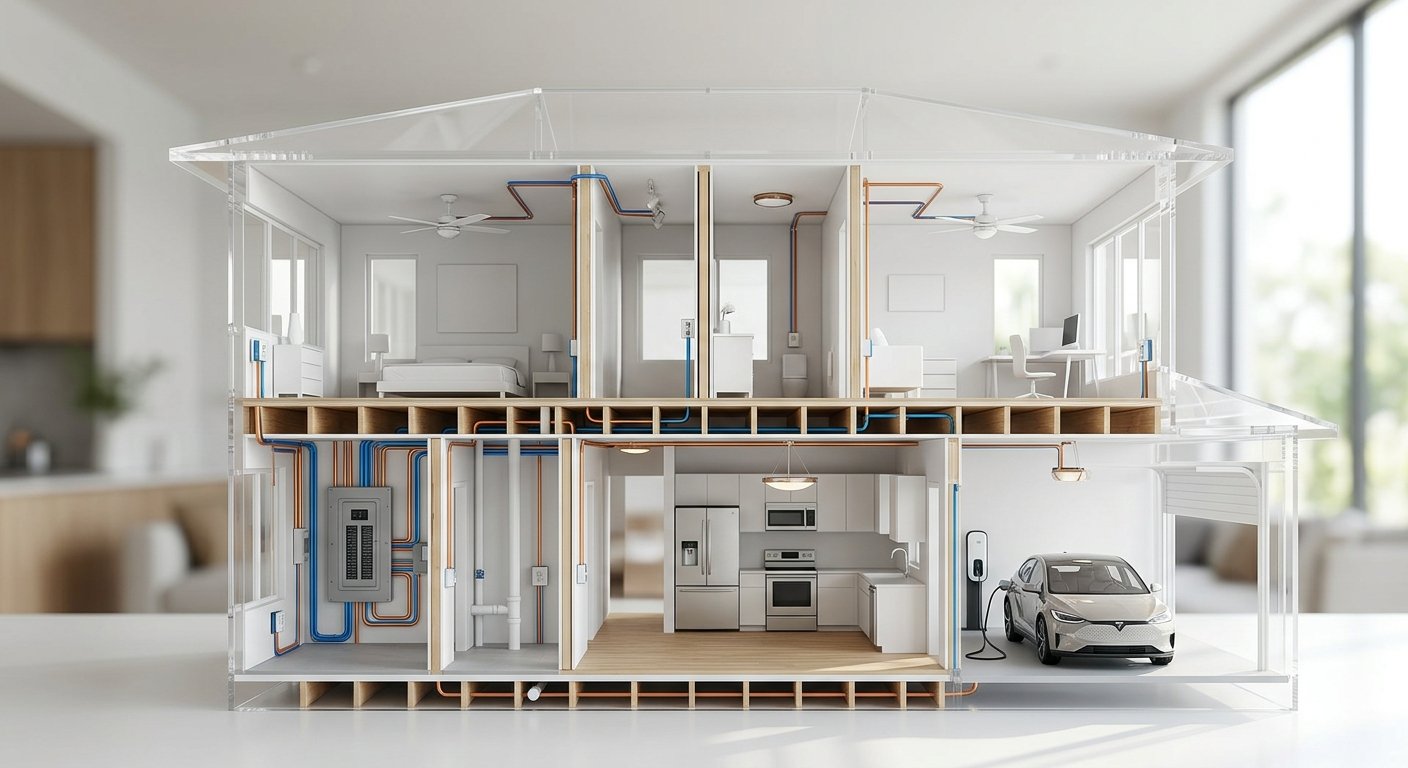
Whole-house rewiring is the process of replacing the electrical wiring throughout your entire home — from the main panel all the way to individual outlets, switches, and fixtures. A complete residential electrical installation update ensures your home meets current National Electrical Code (NEC) standards, supports modern electrical loads, and operates safely for decades to come.
This isn’t a minor repair. It’s a comprehensive upgrade that typically involves opening walls, running new wire through ceilings and floors, replacing outlets and switches, and potentially upgrading your electrical panel. Done correctly by a licensed electrical contractor, it transforms your home’s electrical infrastructure from a liability into a reliable, future-ready asset.
Warning Signs Your Home Needs Rewiring
Many homeowners don’t realize their wiring is failing until a problem becomes obvious — or dangerous. Watch for these key indicators that signal it’s time to consider a home electrical wiring upgrade.
Frequent Breaker Trips or Blown Fuses
If your circuit breakers trip regularly — especially when running everyday appliances — your wiring may no longer handle your home’s electrical demand. Older South Florida homes were often wired for 60 to 100 amps, while modern households frequently require 200 amps or more. Constant tripping is your system’s way of sounding an alarm.
Flickering or Dimming Lights
Occasional flickering during a storm is one thing, but persistent dimming when you turn on appliances suggests loose connections or wiring that’s undersized for your current load. This is particularly common in older Boca Raton and Delray Beach homes that haven’t had electrical work done in decades.
Burning Smells or Discolored Outlets
A burning smell near outlets or scorch marks on switch plates are serious red flags. These signs indicate arcing — electricity jumping across degraded connections — which can ignite inside your walls without warning. If you notice either, contact a licensed electrician immediately.
Aluminum or Knob-and-Tube Wiring
Homes built before 1970 may still contain knob-and-tube wiring or aluminum branch circuit wiring. Both types carry significantly elevated fire risks compared to modern copper wiring and are often flagged during home inspections. The U.S. Consumer Product Safety Commission has documented the hazards associated with these older wiring systems extensively.
Outlets That Are Two-Prong or Ungrounded
Two-prong outlets lack the grounding wire required to protect you and your electronics from power surges. In South Florida, where lightning strikes are among the highest in the nation, ungrounded wiring leaves your home’s electrical system — and everything connected to it — dangerously exposed.
Your Home Is 40+ Years Old With No Electrical Updates
If your Fort Lauderdale, Boynton Beach, or West Palm Beach home hasn’t had a wiring upgrade since it was built in the 1970s or 1980s, there’s a strong chance the wiring has degraded past safe operating limits. Insulation on older wires becomes brittle over time, especially in South Florida’s heat and humidity.
The Whole-House Rewiring Process: Step by Step
Understanding the rewiring process helps you plan ahead and set realistic expectations. Here’s how a professional residential electrical installation unfolds.
Step 1: Initial Assessment and Electrical Inspection
A licensed electrician performs a thorough inspection of your existing wiring, panel, outlets, and fixtures. This assessment determines the full scope of work, identifies code compliance issues, and forms the basis for your project estimate.
Step 2: Permits and Planning
All whole-house rewiring in Palm Beach, Broward, and Miami-Dade counties requires permits. A reputable contractor handles the permitting process on your behalf, ensuring all work is code-compliant and legally documented. This protects you during future home sales and insurance claims.
Step 3: Panel Evaluation or Upgrade
Rewiring often goes hand in hand with an electrical panel upgrade. If your panel is outdated or undersized, it will be replaced as part of the project to ensure your new wiring has the infrastructure to perform safely and efficiently.
Step 4: Running New Wire
Electricians carefully route new copper wiring throughout the home. In occupied homes, professionals use techniques that minimize drywall damage, though some opening of walls and ceilings is typically necessary. All new wire is sized appropriately for the circuits it will serve.
Step 5: Installing New Outlets, Switches, and Fixtures
Old two-prong or ungrounded outlets are replaced with modern, grounded receptacles. GFCI outlets are installed in kitchens, bathrooms, garages, and outdoor areas as required by current NEC standards — especially important in South Florida’s humid environment where moisture and electricity create elevated shock risks.
Step 6: Final Inspection and Testing
After all wiring is complete, the local building department performs a final inspection. Only after passing inspection is the work considered complete. Every circuit is tested to confirm safe, reliable operation before the job is closed out.
How South Florida’s Climate Affects Your Wiring
South Florida’s environment is uniquely demanding on electrical systems. High humidity accelerates the corrosion of wire connections and panel components. The region’s intense lightning activity — particularly during summer storm season — sends power surges through electrical systems that gradually degrade older wiring. Hurricane-force winds and flooding events can introduce moisture directly into walls and junction boxes.
These factors mean that a home electrical wiring upgrade in West Palm Beach or Miami-Dade isn’t just about meeting code — it’s about building a system that can withstand the conditions of living here year-round. Modern wiring paired with whole-house surge protection gives your home the resilience it needs.
Planning for the Future: Smart Additions During Rewiring
A whole-house rewiring project is the ideal time to plan ahead for technology upgrades that will add value and convenience to your home.
- EV Charger Preparation: Have dedicated circuits and conduit pre-run for a future EV charger installation, saving significant cost when you’re ready to add one.
- Smart Home Wiring: Install circuits and outlet configurations that support smart switches, automated lighting, and home automation systems seamlessly.
- Generator Interlock: Add a generator transfer switch or interlock kit so you can safely connect a standby generator when hurricane season arrives.
- USB and USBC Outlets: Modern outlet configurations support today’s charging needs without adapters or power strips cluttering your home.
Frequently Asked Questions
How long does whole-house rewiring take?
Most whole-house rewiring projects for a single-family home in South Florida take between three and seven days, depending on the home’s size, age, and complexity. Larger homes or those with significant structural obstacles may take longer. Your electrician will provide a detailed timeline before work begins.
How much does whole-house rewiring cost?
Costs vary depending on square footage, the extent of existing wiring issues, and whether a panel upgrade is needed. Because every home is different, the best approach is to schedule a professional assessment for an accurate quote. What’s consistent is that the cost of rewiring is far less than the cost of an electrical fire or failed home inspection.
Do I need to move out during rewiring?
In many cases, homeowners can remain in the home during rewiring, though some areas of the house will be without power temporarily as circuits are replaced. Your electrician will work with you to minimize disruption and maintain livability throughout the project.
Will rewiring require opening my walls?
Some wall and ceiling access is typically required. Experienced electricians use techniques to limit the extent of drywall work, and patching and finishing is often handled as part of the project scope. Your contractor should discuss the expected impact on your walls before work begins.
Does rewiring increase home value?
Yes. Updated electrical wiring is a significant selling point, particularly in South Florida’s competitive real estate market. It satisfies home inspection requirements, may reduce homeowner insurance premiums, and signals to buyers that the home has been well-maintained.
Trust South Florida’s Electrical Experts
Whole-house rewiring is one of the most significant investments you can make in your home’s safety and long-term value. It’s also work that demands experience, precision, and a deep understanding of local codes and conditions. At Global Power & AC Corp, we’re a licensed and insured electrical contractor serving homeowners throughout Palm Beach, Broward, and Miami-Dade counties — and we back every job with an 8-year warranty on workmanship.
Whether you’re in Boca Raton, Fort Lauderdale, West Palm Beach, or anywhere across South Florida, our team is ready to assess your home’s electrical system and provide honest, expert guidance on whether rewiring is the right step. Same-day service is available for urgent concerns.
Contact Global Power & AC Corp today at (561) 203-0080 to schedule your electrical assessment and take the first step toward a safer, more capable home.