
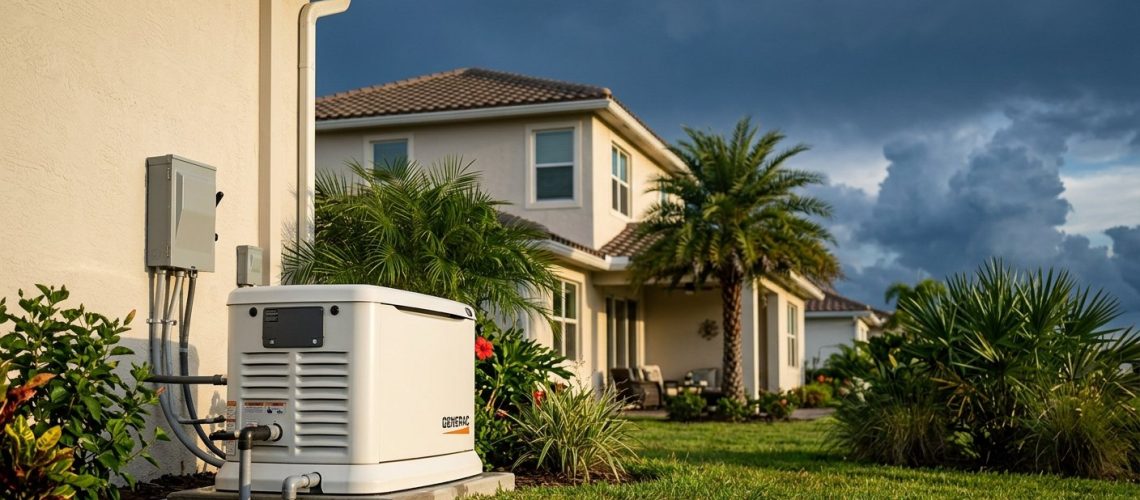
Power outages in South Florida aren’t a matter of if — they’re a matter of when. According to the U.S. Energy Information Administration, Florida consistently ranks among the states with the most power interruptions, driven largely by hurricane season, severe thunderstorms, and aging utility infrastructure. For homeowners across Palm Beach, Broward, and Miami-Dade counties, a whole house standby generator isn’t a luxury — it’s a practical investment in safety, comfort, and property protection.
If you’ve been considering backup generator installation, this guide covers everything you need to make a smart, informed decision — from how these systems work to what the installation process actually involves.
What Is a Standby Generator?
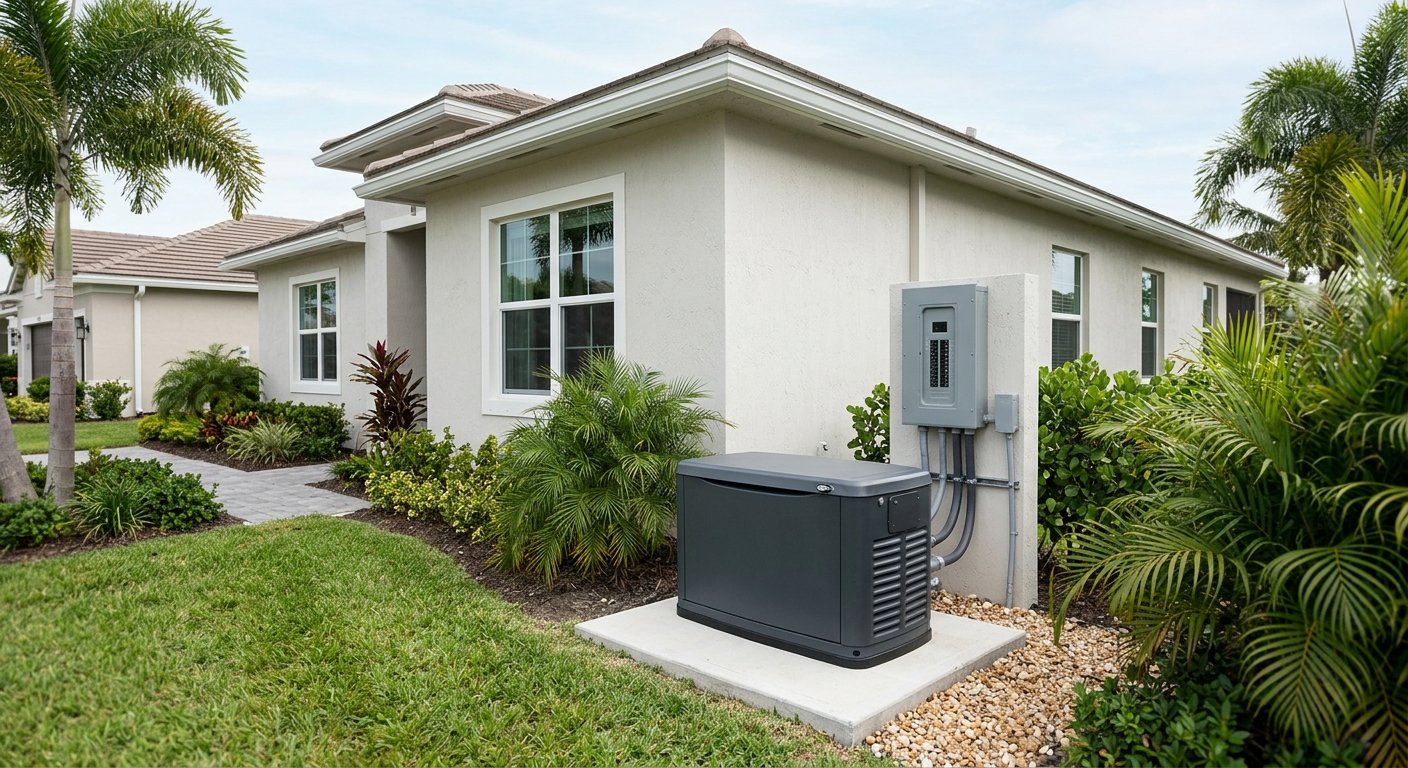
A standby generator is a permanently installed home backup power system that activates automatically when utility power is lost. Unlike portable generators that require manual setup, refueling, and extension cords, an automatic standby generator is connected directly to your home’s electrical panel and natural gas or propane fuel supply. Within seconds of detecting an outage, it powers on without any action required from you.
This is a critical distinction for South Florida homeowners. During a hurricane evacuation or when you’re simply not home, a standby generator keeps your AC running, your refrigerator cooling, your sump pump operating, and your security system active — all without you lifting a finger.
Why South Florida Homes Need Whole House Backup Power
South Florida’s climate creates a unique set of electrical challenges that make home backup power essential rather than optional. Here’s why:
- Hurricane season runs June through November, bringing extended outages that can last days or even weeks after a major storm.
- Daily afternoon thunderstorms throughout the summer months create frequent, short-term power disruptions that still damage sensitive electronics and spoil refrigerated food.
- High humidity and heat make losing air conditioning a serious health risk, particularly for elderly residents and young children.
- Flooding risks mean sump pumps and water mitigation systems need to stay operational precisely when the power grid is most likely to fail.
- Home-based businesses and remote workers across Boca Raton, Fort Lauderdale, and West Palm Beach face real financial consequences when connectivity goes down.
A whole house generator eliminates all of these vulnerabilities with a single, professionally installed system.
Standby Generator Installation: The Process Explained
Understanding what’s involved in a proper standby generator installation helps you ask the right questions and know what to expect from your electrician.
Step 1: Load Assessment and System Sizing
Before any equipment is ordered, a licensed standby generator electrician will evaluate your home’s electrical load requirements. This involves identifying which circuits and appliances you want backed up — central AC, refrigerator, water heater, lights, and outlets — and calculating the total wattage needed. Undersizing a generator is one of the most common and costly mistakes homeowners make when attempting to skip professional assessment.
For most South Florida single-family homes, a system between 20kW and 26kW provides whole-house coverage. Larger homes or those with multiple AC units may require 30kW or more.
Step 2: Equipment Selection
Generac generator installation is among the most common requests we receive, and for good reason. Generac is widely regarded as an industry leader in residential standby power, offering systems specifically engineered for reliability in high-humidity coastal environments. Other reputable brands include Kohler and Briggs & Stratton, and the right choice depends on your home’s power requirements, fuel availability, and budget.
Step 3: Permits and Code Compliance
In Florida, standby generator installation requires proper permitting through your local building department. This is non-negotiable. Permits ensure the installation meets Florida Building Code requirements and that the generator electrical connection is inspected by a certified official. A licensed and insured electrical contractor like Global Power & AC Corp handles all permitting documentation on your behalf, so you’re never left navigating municipal paperwork alone.
Step 4: Transfer Switch Installation
The transfer switch is the heart of any standby system. It automatically disconnects your home from the utility grid when an outage is detected and switches power to the generator — then reverses the process once utility power is restored. This critical safety component prevents backfeed, which can injure or kill utility workers repairing lines in your neighborhood.
Most modern automatic standby generators use an automatic transfer switch (ATS) installed adjacent to your main electrical panel. If your panel is outdated or undersized, this is also an excellent opportunity to consider an electrical panel upgrade as part of the project.
Step 5: Fuel Line Connection and Testing
Natural gas is the preferred fuel source for standby generators throughout Palm Beach and Broward counties because it’s delivered through underground utility lines — meaning it remains available even when roads are impassable after a storm. Where natural gas isn’t available, a properly sized propane tank provides comparable reliability. Your installation team coordinates the fuel line connection and conducts a full load test before the job is considered complete.
What Does Generator Installation Cost?
Generator installation cost in South Florida typically ranges from $5,000 to $15,000 or more depending on system size, fuel type, panel condition, and the complexity of the installation. Here’s a general breakdown:
- Equipment cost: $2,000–$8,000+ depending on generator brand and capacity
- Installation labor: $1,500–$3,500 for a straightforward installation
- Transfer switch: $500–$1,500 depending on type and configuration
- Permits and inspections: Varies by municipality, typically $150–$500
- Fuel line and concrete pad: $300–$1,000
While the upfront investment is meaningful, consider the cost of a week without power: spoiled food, hotel stays, potential property damage from flooding, and lost work productivity. For most homeowners, the math strongly favors backup generator installation before hurricane season arrives.
Global Power & AC Corp backs all generator installation work with an 8-year warranty on workmanship, giving you long-term confidence in your investment.
Pairing Your Generator with Smart Home Technology
Today’s standby generators integrate seamlessly with smart home systems, giving homeowners real-time monitoring and remote management capabilities. You can receive alerts on your smartphone the moment a power outage triggers your generator, monitor fuel levels, review runtime logs, and schedule automatic weekly exercise cycles — all from an app.
If you’re already invested in smart home integration or considering it, your generator installation is the perfect time to discuss how your backup power system fits into your broader home automation setup. Our team can advise on compatible systems and ensure your generator electrical connection supports the features you want.
Generator Maintenance: Keeping Your System Ready
A standby generator that hasn’t been maintained properly is a standby generator that may fail exactly when you need it most. Regular maintenance includes:
- Automatic weekly self-tests (built into most modern systems)
- Annual professional inspection of oil, filters, belts, and connections
- Battery replacement every 2–3 years
- Load bank testing for whole-house systems
Many homeowners in Fort Lauderdale, Delray Beach, and Boynton Beach schedule annual generator maintenance each spring — before the June 1 start of hurricane season — to ensure their system is fully operational when peak storm risk arrives.
Frequently Asked Questions
How long does standby generator installation take?
Most residential standby generator installations are completed in one to two days once the equipment arrives and permits are approved. Permit timelines vary by municipality across Palm Beach, Broward, and Miami-Dade counties but typically take one to two weeks. We coordinate the entire process so your installation stays on schedule.
Can a standby generator power my entire house?
Yes. A properly sized whole house generator can power all essential and non-essential circuits simultaneously. During the load assessment, your electrician determines the right system capacity to match your home’s specific needs, including central AC, appliances, lighting, and electronics.
What fuel does a standby generator use?
Most residential standby generators in South Florida run on natural gas or propane. Natural gas is preferred where available because it’s delivered continuously through utility lines. Propane is an excellent alternative for homes without natural gas service and is stored in an on-site tank.
Do I need a permit for generator installation in Florida?
Yes. Florida law and local building codes require permits for standby generator installations. This ensures the generator electrical connection, transfer switch, and fuel connections are inspected and meet safety standards. A licensed electrical contractor handles all permitting as part of the installation process.
How is a standby generator different from a portable generator?
A standby generator is permanently installed, starts automatically, and runs on a permanent fuel supply. A portable generator must be set up manually, runs on gasoline, requires outdoor placement to avoid carbon monoxide risk, and cannot be connected directly to your home’s electrical system without a proper transfer switch. For whole-house hurricane power backup, a standby system is significantly safer and more reliable.
Ready to Protect Your Home? Contact Global Power & AC Corp
Don’t wait until the next named storm is bearing down on South Florida to think about backup power. The demand for standby generator installations surges before and after every major hurricane, often creating weeks-long equipment and scheduling delays.
Global Power & AC Corp is a licensed and insured electrical contractor serving homeowners and businesses throughout Palm Beach, Broward, and Miami-Dade counties. We offer same-day service consultations, professional Generac generator installation, and our industry-leading 8-year warranty on workmanship. Whether you’re in West Palm Beach, Boca Raton, Fort Lauderdale, or anywhere in between, our team delivers the reliable expertise your home deserves.
Learn more about our complete standby generator services or call us today at (561) 203-0080 to schedule your free assessment. Your family’s safety is worth the call.