
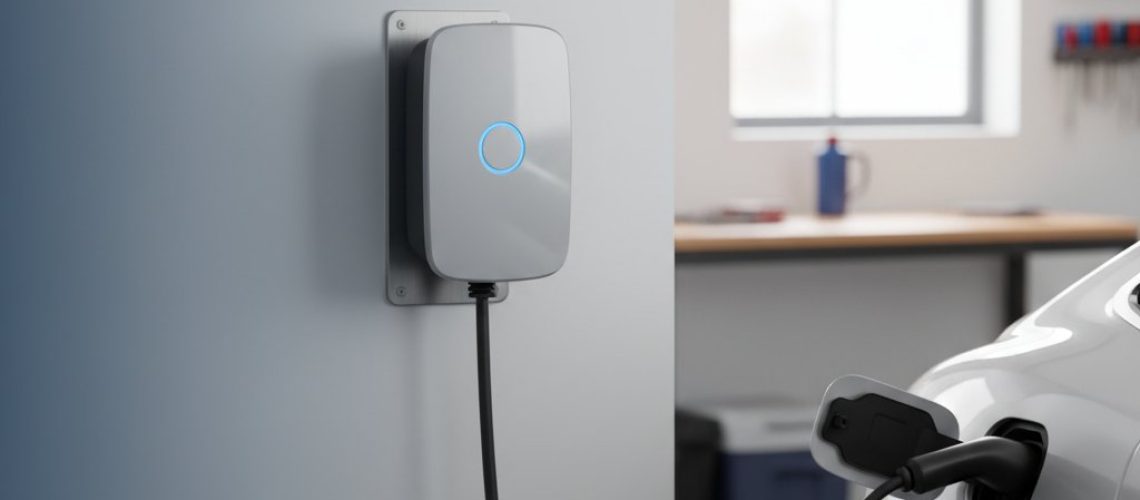
The electric vehicle revolution has transformed South Florida’s roads, with more EVs appearing in Palm Beach, Broward, and Miami-Dade driveways every month. As a homeowner considering an EV or already driving one, choosing the right home charging solution represents one of your most important decisions. The debate between Level 2 and Level 3 charging systems can feel overwhelming, but understanding the practical differences helps you make an informed choice that matches your needs and budget.
At Global Power & AC Corp, we’ve installed countless EV charging systems across South Florida since 2017, and we understand the unique electrical considerations that come with residential charging installations. Let’s break down everything you need to know about these two charging options and determine which one makes sense for your home.
Understanding Level 2 EV Chargers for Home Use

A Level 2 EV charger operates on a 240-volt circuit—the same electrical setup that powers your clothes dryer or electric range. This charging solution has become the gold standard for residential installations, and for good reason. Level 2 chargers deliver between 7 and 19 kilowatts of power, depending on the specific unit and your home’s electrical capacity.
Most Level 2 chargers add approximately 25-30 miles of range per hour of charging. For the average South Florida homeowner who drives 30-40 miles daily, this means you’ll wake up to a fully charged vehicle every morning when charging overnight. The installation requires a dedicated 240-volt circuit, typically 40 to 60 amps, which a licensed electrician must install to meet National Electrical Code (NEC) standards.
The practical beauty of Level 2 charging lies in its compatibility with your home’s existing electrical infrastructure. Most residential electrical panels can accommodate a Level 2 charger with minimal upgrades, though older homes may require panel updates to handle the additional load safely.
Popular Level 2 Chargers in 2026
Today’s Level 2 chargers offer smart connectivity, scheduling features, and energy monitoring capabilities. Tesla’s Wall Connector remains popular among Tesla owners, while ChargePoint Home Flex and JuiceBox 48 serve universal EV charging needs. These units typically deliver 40 to 48 amps, providing optimal charging speeds for residential use.
The Reality of Level 3 Charging for Residential Properties

Level 3 chargers, also known as DC fast chargers, represent commercial-grade charging equipment. These powerful systems deliver 50 to 350 kilowatts, capable of charging most EVs to 80% capacity in 20-40 minutes. However, this impressive speed comes with significant limitations for residential applications.
The electrical requirements for Level 3 charging make home installation impractical for most homeowners. These systems demand three-phase power at 480 volts—an electrical setup typically found only in commercial and industrial facilities. Standard residential properties receive single-phase power at 120/240 volts, making the infrastructure gap substantial.
Installing a Level 3 charger at your home would require utility company coordination to bring three-phase power to your property, extensive electrical infrastructure upgrades, and equipment costs ranging from $50,000 to $150,000 or more. The investment rarely makes sense for residential use when Level 2 charging meets the needs of most homeowners perfectly.
Cost Comparison: Investment and Operating Expenses
Budget considerations play a crucial role in your charging decision. Level 2 chargers cost between $500 and $2,000 for the equipment itself. Professional installation by a licensed electrician typically adds $1,000 to $3,000, depending on your electrical panel’s location, the distance to your preferred charging spot, and whether panel upgrades are necessary.
Our 8-year warranty covers both the installation workmanship and ensures your system operates safely for years to come. Many South Florida homeowners also benefit from federal tax credits and utility rebates that can offset installation costs significantly.
Level 3 chargers, by contrast, require investments exceeding $50,000 for equipment and installation combined. The electrical infrastructure upgrades alone can cost $30,000 to $75,000, not including ongoing demand charges from your utility company that commercial charging stations incur.
Operating Costs in South Florida
Charging at home with a Level 2 system costs approximately $3-5 to add 100 miles of range, based on current Florida Power & Light residential rates. You maintain complete control over when you charge, allowing you to take advantage of off-peak rates if your utility offers time-of-use pricing. The electrical efficiency of Level 2 charging also means less energy waste compared to faster charging methods.
Charging Speed: What You Really Need
While Level 3’s rapid charging sounds appealing, consider your actual driving patterns. The average American drives 30-40 miles daily, well within the overnight charging capacity of any Level 2 system. Even if you drive 100 miles in a day, a Level 2 charger replenishes that range in 3-4 hours while you sleep.
Level 3 charging shines during road trips and emergency situations when you need rapid charging away from home. That’s why these chargers populate highway rest stops, shopping centers, and commercial charging networks. For daily home use, the speed advantage disappears when you’re charging overnight anyway.
Additionally, frequent DC fast charging can accelerate battery degradation over time. EV manufacturers recommend Level 2 charging for regular use to maximize battery longevity. Your electric vehicle’s battery management system is optimized for the gentler charging curve that Level 2 provides.
Compatibility Considerations for Your Electric Vehicle
Most electric vehicles in 2026 come standard with Level 2 charging capability, and many aren’t designed to accept DC fast charging at home. The Hyundai Kona Electric, for example, uses a Type 1 (J1772) connector for Level 2 AC charging and a CCS Combo port for DC fast charging at public stations. Your home charging solution should match the vehicle’s primary charging port.
Tesla vehicles work seamlessly with Tesla Wall Connectors but can also use universal Level 2 chargers with the appropriate adapter. Non-Tesla EVs universally accept J1772 connections, making Level 2 chargers highly versatile if you plan to own different EV brands over time.
Before selecting any charging equipment, verify your vehicle’s onboard charger capacity. Some EVs accept only 7.2 kW even when connected to a higher-output Level 2 charger, while others can handle 11 kW or more. Matching your charger to your vehicle’s capabilities ensures optimal charging performance without overspending on unnecessary capacity.
Installation Requirements and South Florida Considerations
South Florida’s climate presents unique challenges for electrical installations. Humidity, salt air in coastal areas, and intense thunderstorm activity require proper weatherproofing and surge protection for outdoor charging equipment. Licensed electricians familiar with local conditions ensure your charger withstands our tropical environment.
Level 2 charger installation begins with an electrical panel assessment. Your panel must have adequate capacity to support the new circuit without overloading. Many homes in Palm Beach, Broward, and Miami-Dade counties built before 2010 have 100-amp or 150-amp service, which may require upgrading to 200 amps to safely accommodate EV charging alongside other electrical loads.
The installation process includes running dedicated wiring from your electrical panel to the charging location, installing appropriate overcurrent protection, and mounting the charger according to manufacturer specifications and NEC requirements. Proper grounding is essential, especially given South Florida’s lightning frequency—we experience more lightning strikes than almost anywhere in the United States.
Permit and Code Compliance
All EV charger installations require electrical permits and inspections to ensure code compliance. Working with licensed, insured electricians ensures your installation meets all local requirements and protects your home insurance coverage. Our team handles all permitting and coordinates inspections, making the process seamless for homeowners.
Making the Right Choice for Your Home
For 99% of South Florida homeowners, Level 2 charging represents the optimal solution. It provides more than adequate charging speed for daily driving, works with your home’s electrical infrastructure, costs a fraction of Level 3 installation, and maintains your EV battery’s health through gentler charging.
Level 3 charging belongs at commercial locations where you need rapid charging during daytime activities. Unless you operate a commercial charging business from your property or have highly unusual driving patterns requiring multiple full charges daily, the investment cannot be justified.
Consider Level 2 charging if you:
- Drive fewer than 200 miles daily
- Have overnight parking at home
- Want to maximize battery longevity
- Prefer a cost-effective installation
- Own or plan to own a single-family home or townhouse
The decision becomes even clearer when you consider that public DC fast charging networks continue expanding throughout South Florida, providing Level 3 charging access when you genuinely need rapid charging during longer trips.
Professional Installation Matters
Regardless of which charging level you choose, professional installation by a licensed electrician is non-negotiable. Improper EV charger installation creates fire hazards, risks electrical shock, may void your vehicle warranty, and can lead to charging inefficiencies or equipment failure.
At Global Power & AC Corp, our Tesla-certified technicians bring specialized expertise to every EV charging installation. We assess your electrical panel capacity, recommend appropriate circuit sizing, ensure proper grounding and surge protection, and provide same-day service when your schedule demands it. Our commitment to craftsmanship means every connection is made correctly, every wire is sized appropriately, and every safety measure is implemented.
We also help navigate utility company requirements, secure necessary permits, and ensure your installation qualifies for available incentives. Our 8-year warranty provides peace of mind that extends far beyond the typical one-year coverage most contractors offer.
Frequently Asked Questions
What is a Level 2 charger for EV?
A Level 2 charger for EV is a 240-volt charging system that connects to the same type of electrical circuit powering large appliances like dryers. It charges electric vehicles significantly faster than standard 120-volt outlets, typically adding 25-30 miles of range per hour. Level 2 chargers are the standard for residential installations and require professional installation by a licensed electrician.
What stops someone from unplugging your electric car?
Most electric vehicles automatically lock the charging cable to the vehicle when the car is locked, preventing unauthorized unplugging. The charging cable cannot be removed until you unlock the vehicle with your key fob or smartphone app. Additionally, most home charging stations can be configured to work only with specific vehicles or require authentication before charging begins, adding another layer of security.
Is Level 3 charging better than Level 2?
Level 3 charging is faster but not necessarily better for home use. While Level 3 chargers can add hundreds of miles in 30 minutes, they require commercial-grade electrical infrastructure, cost $50,000-$150,000 to install at homes, and can accelerate battery degradation with frequent use. Level 2 charging provides optimal charging speeds for overnight residential use, costs far less, works with standard home electrical systems, and is gentler on your EV battery.
What type of charger does the Hyundai Kona Electric use?
The Hyundai Kona Electric uses a Type 1 (J1772) connector for Level 2 AC charging and a CCS Combo 1 port for DC fast charging at public stations. For home installation, a standard Level 2 charger with a J1772 connector works perfectly. The Kona Electric’s onboard charger accepts up to 7.2 kW on Level 2, meaning it can fully recharge overnight when connected to a typical home charging station.
Power Your EV Journey with Confidence
Choosing between Level 2 and Level 3 charging for your South Florida home comes down to practicality, cost-effectiveness, and meeting your actual needs rather than pursuing unnecessary speed. Level 2 charging delivers everything most homeowners require while respecting both your budget and your home’s electrical capabilities.
Global Power & AC Corp has been serving Palm Beach, Broward, and Miami-Dade counties since 2017, bringing expertise and craftsmanship to every electrical project. Our team understands the unique demands of South Florida’s climate and the specific requirements of modern EV charging installations.
Ready to install your home EV charger? Contact Global Power & AC Corp today for a free estimate. We’ll assess your electrical system, recommend the optimal charging solution for your needs, and provide same-day service when you need it. With our 8-year warranty and commitment to shockingly good service, you’ll charge with confidence for years to come.