
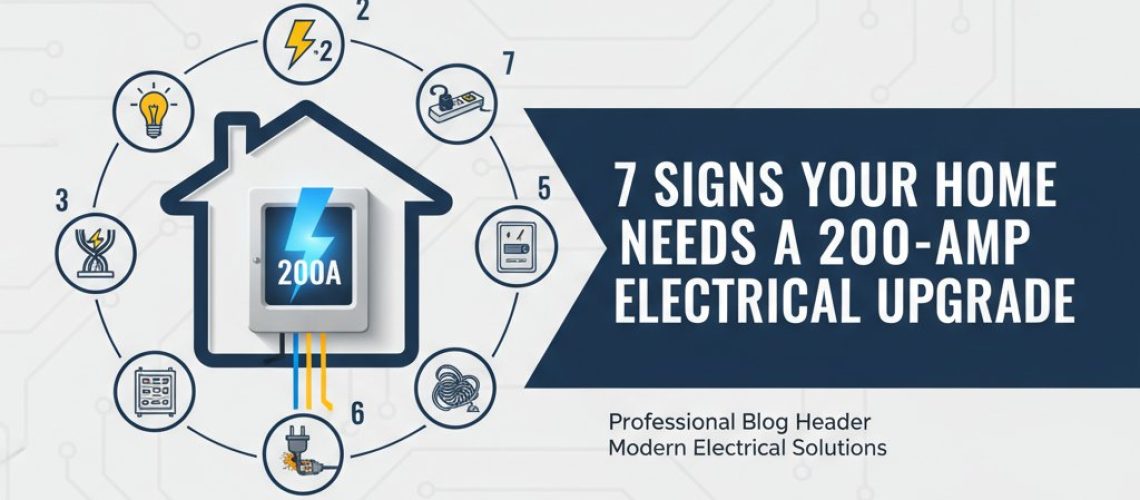
Modern South Florida homes demand significantly more electrical power than homes built just a decade ago. Between air conditioning systems running overtime in our tropical climate, electric vehicle chargers, smart home devices, pool equipment, and countless other appliances, many residential electrical systems are operating beyond their safe capacity. If your home still operates on a 100-amp service panel, you might be pushing your electrical system to its limits without even realizing it.
Understanding when your home requires a 200 amp service upgrade isn’t just about convenience—it’s a critical safety issue that affects your family’s wellbeing and your property’s value. An outdated electrical system can lead to electrical fires, damaged appliances, and frequent power disruptions that disrupt daily life. Fortunately, recognizing the warning signs early allows you to address the problem before it becomes a dangerous emergency.
Understanding Electrical Service Capacity
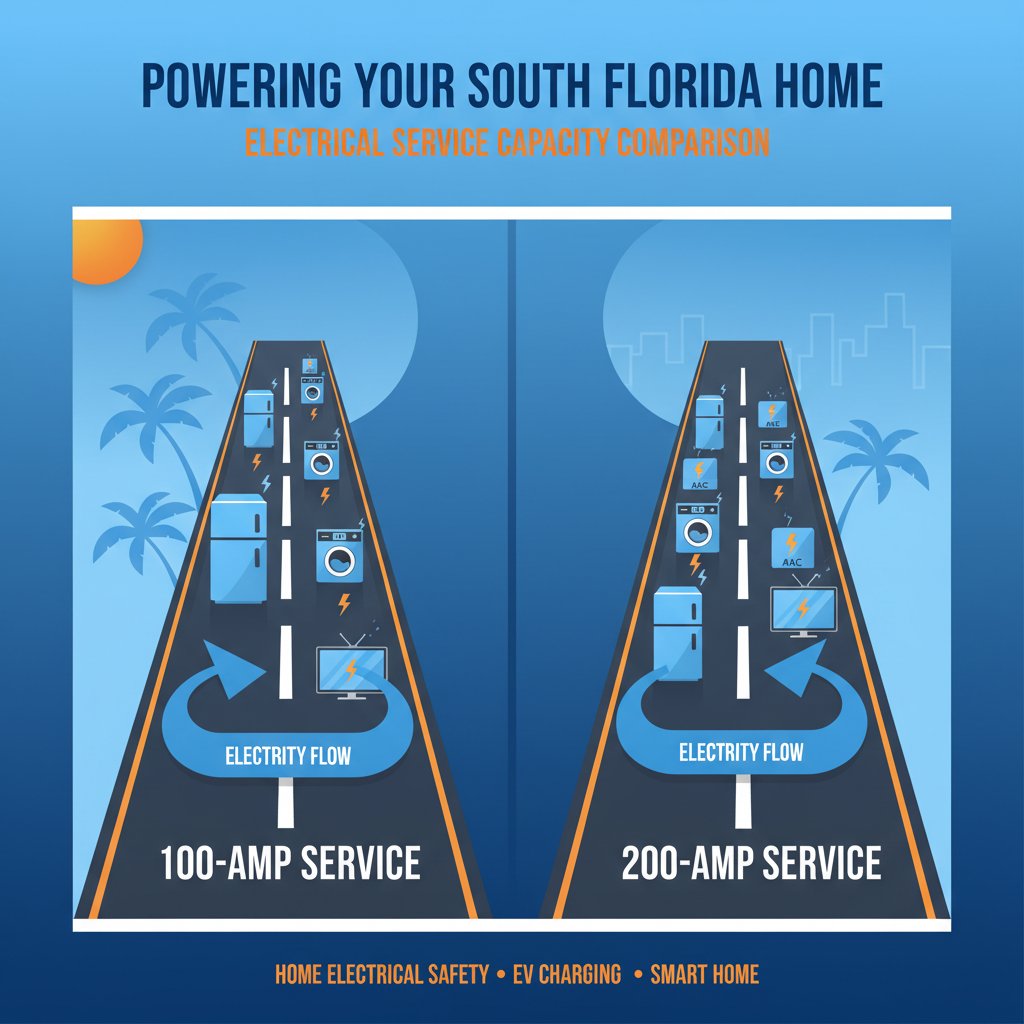
Your home’s electrical service capacity determines how much electricity can flow into your property at any given time. Think of it like a highway: a 100-amp service is a two-lane road, while a 200-amp service is a four-lane highway. When too many “cars” (electrical demands) try to use that two-lane road simultaneously, you get congestion, slowdowns, and potential accidents.
Most homes built before 1990 in Palm Beach, Broward, and Miami-Dade counties were constructed with 100-amp or even 60-amp electrical panels. These systems were adequate when homes had fewer electrical devices and before central air conditioning became standard. Today’s homes typically require 200-amp service to safely handle modern electrical loads, especially in South Florida where air conditioning runs nearly year-round and hurricane season demands reliable backup power systems.
Sign #1: Frequently Tripping Circuit Breakers
Circuit breakers trip occasionally as a normal protective measure, but if you find yourself resetting breakers weekly or even daily, your electrical system is sending a clear distress signal. When your panel cannot handle the electrical load, breakers trip to prevent overheating and potential fires.
This problem intensifies during South Florida’s summer months when air conditioning units, dehumidifiers, and pool pumps run simultaneously. If you cannot run your air conditioner and use your microwave without tripping a breaker, your home desperately needs an electrical panel upgrade. Continuing to operate an overloaded system creates a serious fire hazard and can damage expensive appliances.
What Causes Frequent Tripping
Your electrical system trips breakers when circuits carry more amperage than they’re designed to handle. Common culprits include multiple high-draw appliances on the same circuit, aging electrical panels with worn components, or simply an undersized main service panel that cannot support your household’s total electrical demand.
Sign #2: Dimming or Flickering Lights
Lights that dim when you start the dishwasher or flicker when the air conditioner kicks on indicate your electrical system is struggling to distribute power properly. This voltage fluctuation occurs when large appliances draw significant power from a system that’s already operating at maximum capacity.
While occasional dimming might seem like a minor annoyance, it signals a potentially dangerous situation. Voltage fluctuations can damage sensitive electronics, reduce appliance lifespan, and indicate inadequate electrical capacity. A 100 amp to 200 amp upgrade resolves these issues by providing sufficient capacity to handle simultaneous high-demand appliances without voltage drops.
Sign #3: Relying on Multiple Extension Cords and Power Strips
Walk through your home and count the extension cords and power strips you’re using daily. If you’re constantly searching for available outlets or daisy-chaining power strips because you lack sufficient outlets, your home’s electrical infrastructure wasn’t designed for modern power demands.
Beyond the inconvenience, this reliance on extension cords creates safety hazards. Power strips and extension cords can overheat when used continuously, especially in South Florida’s humid environment where heat dissipation is already compromised. An electrical service upgrade typically includes adding properly located outlets throughout your home, eliminating the need for temporary power solutions.
Sign #4: Planning to Install an EV Charger
Electric vehicles are becoming increasingly popular in South Florida, offering reduced fuel costs and environmental benefits. However, Level 2 EV chargers—the type recommended for home use—typically require 40 to 50 amps of dedicated power. If your home operates on a 100-amp service panel, adding an EV charger can push your system dangerously close to or beyond its capacity.
Most homes need a 200 amp service upgrade before installing EV charging equipment. This upgrade ensures your charger operates safely and efficiently without compromising power to the rest of your home. The electrical service upgrade cost is a worthwhile investment that protects your vehicle charging equipment and your home’s electrical system while adding significant property value.
Sign #5: Major Home Renovations or Additions
Planning a kitchen remodel, adding a home office, or converting your garage into living space? These projects typically require substantial additional electrical capacity. Modern kitchens alone can demand 100 amps or more when you factor in refrigerators, ranges, microwaves, dishwashers, and small appliances.
Before starting any major renovation in your Palm Beach, Broward, or Miami-Dade home, consult with licensed electrical professionals to assess whether your current electrical panel can support the increased load. Many homeowners discover that upgrading to 200-amp service before beginning renovations saves money and prevents project delays caused by inadequate electrical capacity.
Common Renovation Electrical Demands
- Kitchen remodels with commercial-grade appliances
- Home theater systems with multiple components
- Additional HVAC zones for new living spaces
- Hot tubs or spa installations
- Workshop areas with power tools
- Home gyms with electrical equipment
Sign #6: Your Electrical Panel is Over 25 Years Old
Electrical panels aren’t designed to last forever. Components wear out, connections loosen, and technology becomes obsolete. If your home’s electrical panel is over 25 years old, it likely lacks modern safety features and may use outdated technology that doesn’t meet current electrical codes.
South Florida’s challenging climate accelerates electrical system aging. High humidity, salt air in coastal areas, and temperature fluctuations cause corrosion and component degradation faster than in other regions. Older panels may contain aluminum wiring, Federal Pacific or Zinsco panels (known for safety issues), or lack ground fault circuit interrupter (GFCI) protection required by modern codes.
When to upgrade electrical panel becomes less of a question and more of a necessity when dealing with aging equipment. Modern 200-amp panels include advanced safety features like arc fault circuit interrupters (AFCI), better surge protection, and more reliable components designed for today’s electrical demands.
Sign #7: Burning Smells or Warm Electrical Panel
This is the most urgent warning sign that demands immediate professional attention. If you detect burning odors near your electrical panel, notice discoloration on the panel or outlets, or feel warmth emanating from the panel box, shut off power immediately and contact emergency electrical services.
These symptoms indicate dangerous overheating that can lead to electrical fires. Overloaded circuits, loose connections, or failing components generate excessive heat. In worst-case scenarios, this can ignite surrounding materials and cause devastating house fires. Never ignore these electrical panel upgrade signs—they represent imminent safety hazards requiring urgent professional intervention.
Benefits of Upgrading to 200-Amp Service
Beyond addressing safety concerns, a 200 amp service upgrade delivers numerous practical benefits for South Florida homeowners. The increased capacity supports modern lifestyles without compromise, allowing you to run air conditioning, pool equipment, kitchen appliances, and entertainment systems simultaneously without concern.
Property value increases significantly with updated electrical systems. Prospective buyers recognize the value of modern electrical infrastructure, especially when considering EV chargers and smart home technology. Many insurance companies also offer reduced premiums for homes with updated electrical systems, as they present lower fire risks.
The upgrade also future-proofs your home. As electrical demands continue increasing with new technologies, a 200-amp service provides the capacity to adopt innovations without additional electrical work. Whether adding solar panels, battery backup systems, or advanced home automation, you’ll have the electrical foundation to support these improvements.
What to Expect During the Upgrade Process
A professional electrical service upgrade typically requires one to three days, depending on your home’s specific situation. Licensed electricians will coordinate with your local utility company to temporarily disconnect power, install the new 200-amp panel and meter base, update wiring as needed, and ensure all work meets current electrical codes.
Quality electrical contractors like Global Power & AC Corp provide comprehensive service that includes obtaining necessary permits, coordinating utility company requirements, and ensuring minimal disruption to your daily routine. The 8-year warranty on workmanship provides peace of mind that your investment is protected long-term.
Choosing the Right Electrical Contractor
Electrical panel upgrades require expertise, proper licensing, and adherence to strict safety codes. When selecting an electrical contractor for your 200 amp service upgrade, verify they’re fully licensed and insured in Florida, have extensive experience with residential electrical upgrades, and offer comprehensive warranties on their work.
Read customer reviews and ask for references from previous upgrade projects in your area. Reputable contractors provide detailed written estimates, explain the entire process clearly, and answer questions thoroughly. They should also handle all permit applications and inspections, ensuring your upgrade meets Palm Beach, Broward, or Miami-Dade county requirements.
Protect Your Home and Family Today
Your home’s electrical system is too important to ignore. If you’ve recognized any of these seven warning signs, scheduling an electrical system evaluation should be your next step. Professional electricians can assess your current capacity, identify potential safety issues, and provide detailed recommendations for upgrading to 200-amp service.
Don’t wait for a dangerous electrical emergency to address an inadequate electrical system. Global Power & AC Corp offers same-day service throughout South Florida, providing expert electrical panel upgrades backed by an industry-leading 8-year warranty. Our licensed electricians bring decades of combined experience to every project, ensuring your home’s electrical system meets the highest safety standards while supporting your modern lifestyle.
Contact Global Power & AC Corp today to schedule your comprehensive electrical system evaluation. Protect your family, safeguard your property, and enjoy the peace of mind that comes with a properly upgraded electrical system designed for today’s demands and tomorrow’s innovations.
Frequently Asked Questions
How much does a 200-amp electrical service upgrade cost in South Florida?
Electrical service upgrade costs in Palm Beach, Broward, and Miami-Dade counties typically range from $2,500 to $5,000, depending on your home’s specific requirements, existing electrical infrastructure, and any additional work needed. Factors affecting cost include the distance from the utility connection, necessary permit fees, whether the meter location requires changes, and any required panel relocation. A detailed estimate from a licensed electrician provides accurate pricing based on your specific situation.
How long does a 100 amp to 200 amp upgrade take?
Most residential electrical panel upgrades from 100 to 200 amps take one to three days to complete. The timeline depends on factors including coordination with your utility company for power disconnection, the complexity of your existing electrical system, necessary permit inspections, and any additional electrical work required. Experienced contractors minimize disruption by working efficiently and coordinating all aspects of the project, including utility company scheduling.
Will I need to upgrade my electrical panel before installing an EV charger?
If your home currently has 100-amp service or less, upgrading to 200-amp service is typically necessary before installing a Level 2 EV charger. These chargers require 40-50 amps of dedicated power, which would overload most 100-amp panels when combined with normal household electrical use. A licensed electrician can perform a load calculation to determine if your current panel has sufficient capacity or if an upgrade is required for safe EV charger installation.
Can I upgrade my electrical panel myself to save money?
Electrical panel upgrades must be performed by licensed electricians in Florida. This work requires expertise in electrical codes, coordination with utility companies, proper permitting, and mandatory inspections. DIY electrical panel work is illegal, extremely dangerous, and voids insurance coverage. Licensed professionals ensure safe installation, code compliance, and proper permits that protect your home’s value and your family’s safety.
What are the signs my electrical panel is dangerous?
Immediate danger signs requiring emergency electrical service include burning smells near the panel, visible sparking or arcing, scorch marks on the panel or outlets, a warm or hot panel box, buzzing or crackling sounds from the panel, or frequent circuit breaker trips. If you observe any of these symptoms, shut off power at the main breaker if safe to do so and contact emergency electrical services immediately to prevent potential electrical fires.