
Your home’s electrical system works tirelessly behind the walls, powering everything from your air conditioning to your smartphone charger. But when was the last time you had a professional evaluate its safety and performance? Most South Florida homeowners don’t think about their electrical systems until something goes wrong—flickering lights, tripped breakers, or worse, an electrical fire. Understanding when and how often to schedule a home electrical inspection can prevent dangerous situations, save money on energy costs, and ensure your property meets current safety standards.
Understanding Electrical Safety Inspections
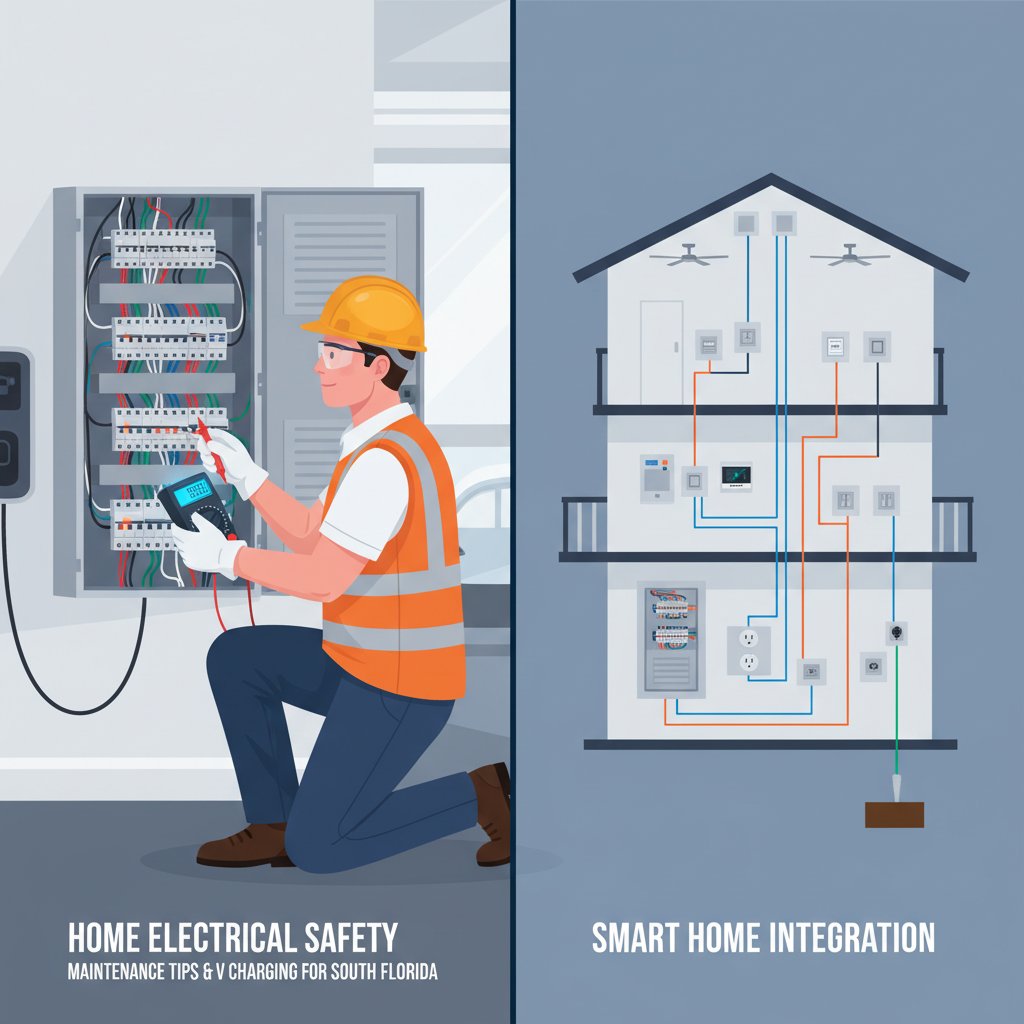
An electrical safety inspection is a comprehensive evaluation of your home’s electrical system performed by a licensed electrician. During a residential electrical inspection, professionals examine your electrical panel, wiring, outlets, switches, grounding systems, and connected appliances to identify potential hazards, code violations, and efficiency issues.
In South Florida’s unique environment, these inspections become even more critical. The combination of high humidity, salt air in coastal areas, frequent thunderstorms, and hurricane season places exceptional stress on electrical systems. Moisture can corrode connections, lightning strikes can damage surge protection, and power outages followed by surges can weaken components over time.
Recommended Inspection Frequency for Homeowners
The frequency of electrical safety inspections depends on several factors, including your home’s age, electrical system condition, and usage patterns. Here are the general guidelines that apply to most South Florida properties:
Every 3-5 Years for Modern Homes
If your home was built within the last 20 years and you haven’t made major electrical modifications, scheduling an inspection every three to five years is typically sufficient. These routine checks ensure everything continues operating safely and efficiently, catching minor issues before they become major problems.
Every 1-3 Years for Older Homes
Homes built before 2000, particularly those constructed in the 1970s or earlier, should receive more frequent attention. Older electrical systems may contain outdated wiring like aluminum wiring, lack proper grounding, or have insufficient capacity for modern electrical demands. Annual or biennial inspections help identify age-related deterioration and necessary upgrades.
After Major Weather Events
Following hurricanes, severe thunderstorms, or flooding in Palm Beach, Broward, or Miami-Dade counties, schedule an inspection even if your next routine check isn’t due. Storm damage isn’t always immediately visible—water intrusion can compromise wiring insulation, and power surges can weaken circuit breakers without causing immediate failure.
Before Buying or Selling a Home
Real estate transactions always warrant a thorough home electrical inspection. Buyers gain peace of mind knowing they won’t face unexpected electrical repairs, while sellers can address issues proactively or adjust pricing accordingly. Many insurance companies now require inspection documentation for older properties before issuing coverage.
When Making Major Renovations
Planning a kitchen remodel, adding a pool, or converting your garage? An inspection before starting ensures your existing electrical system can handle additional loads. This prevents costly mid-project discoveries and ensures all work meets current electrical inspection requirements.
Signs You Need an Inspection Sooner
Don’t wait for your scheduled inspection if you notice these warning signs that indicate potential electrical problems:
- Frequent circuit breaker trips: Breakers that trip repeatedly signal overloaded circuits or faulty wiring
- Flickering or dimming lights: Especially when appliances cycle on, this suggests loose connections or inadequate circuits
- Burning smells or discolored outlets: These indicate dangerous overheating and require immediate attention
- Sparking outlets or switches: Any visible sparking represents a serious fire hazard
- Warm or hot outlets and switches: Properly functioning electrical components should never feel hot to the touch
- Buzzing or sizzling sounds: Electrical systems should operate silently—sounds indicate loose connections or arcing
- Two-prong outlets throughout the home: Lack of grounding is both outdated and dangerous
- Aluminum wiring: Common in 1960s-70s construction, this requires special attention and potential replacement
What’s Included in a Comprehensive Electrical Safety Inspection
Understanding what professionals evaluate during a residential electrical inspection helps you appreciate its value. A thorough electrical safety checklist includes:
Electrical Panel Evaluation
Inspectors examine your main electrical panel for proper labeling, appropriate amperage for your home’s size, signs of corrosion or overheating, and whether it meets current code requirements. They identify outdated panels like Federal Pacific or Zinsco brands known for safety issues and assess whether your panel capacity matches your household’s electrical demands.
Wiring Assessment
Licensed electricians evaluate visible wiring for proper insulation, secure connections, appropriate gauge for the circuit amperage, and compliance with current codes. In South Florida’s humid climate, they specifically look for moisture damage and corrosion that can compromise wire integrity.
Outlet and Switch Testing
Every outlet receives testing for proper grounding, correct polarity, appropriate GFCI protection in wet areas, and secure mounting. Inspectors verify that outdoor outlets and those in bathrooms, kitchens, garages, and laundry areas have required GFCI protection to prevent electric shock.
Grounding and Bonding Verification
Proper grounding protects you from electrical shock and diverts lightning strikes safely into the earth—particularly important during South Florida’s intense thunderstorm season. Inspectors verify grounding electrode systems, bonding of metal components, and continuity throughout the electrical system.
Safety Device Testing
Arc-fault circuit interrupters (AFCI) and ground-fault circuit interrupters (GFCI) prevent electrical fires and shocks. Inspectors test these devices to ensure they trip appropriately and verify they’re installed where code requires them.
Load Capacity Evaluation
Modern homes demand significantly more electrical capacity than properties built even 20 years ago. Inspectors calculate your total electrical load including air conditioning, electric vehicle charging, smart home devices, and major appliances, then determine if your system can safely handle current and anticipated demands.
Benefits of Regular Electrical Safety Inspections
Investing in routine home electrical inspections delivers multiple advantages beyond basic safety:
Fire Prevention
According to the National Fire Protection Association, electrical failures or malfunctions cause an estimated 45,000 home fires annually. Regular inspections identify hazards like overloaded circuits, deteriorating wiring, and faulty connections before they ignite fires, protecting your family and property.
Energy Efficiency Improvements
Electrical problems often manifest as increased energy consumption. Inspections identify inefficient components, phantom electrical draws, and opportunities for upgrades that reduce your monthly power bills—particularly valuable in South Florida where air conditioning drives high summer electricity costs.
Insurance Compliance
Many insurance providers require documentation of electrical inspections for older homes or as a condition for coverage renewal. Proactive inspections ensure you maintain insurability and may even qualify you for discounts on homeowner’s insurance premiums.
Increased Home Value
Documentation of recent electrical safety inspections and any resulting upgrades enhances property value and marketability. Buyers appreciate verified electrical safety and modern system capacity, potentially justifying higher asking prices.
Code Compliance
Electrical codes evolve regularly to incorporate new safety standards and technologies. While existing installations aren’t always required to meet new codes, inspections identify areas where upgrades would significantly enhance safety or where code violations exist from previous unpermitted work.
Choosing the Right Electrical Inspector
The quality of your electrical safety inspection depends entirely on the professional performing it. When selecting an electrician in Palm Beach, Broward, or Miami-Dade counties, verify these qualifications:
- Valid Florida electrical contractor license: Confirm licensing through the Florida Department of Business and Professional Regulation
- Comprehensive insurance coverage: Both liability and workers’ compensation protect you from financial responsibility if accidents occur
- Local experience: Electricians familiar with South Florida’s climate challenges, common home construction methods, and local code requirements provide more valuable insights
- Written inspection reports: Professional inspections should conclude with detailed written documentation of findings, including photos of concerns
- Warranty coverage: Reputable companies stand behind their work with substantial warranties—Global Power & AC Corp offers an industry-leading 8-year warranty
Special Considerations for South Florida Homeowners
Living in Palm Beach, Broward, or Miami-Dade counties presents unique electrical challenges that make regular inspections even more important:
Hurricane Preparedness
Pre-season electrical inspections ensure your system can handle the stress of storm preparation and aftermath. Inspectors verify your electrical panel is properly secured, outdoor components are adequately protected, and your grounding system can safely dissipate lightning strikes.
Humidity and Corrosion
South Florida’s year-round humidity accelerates corrosion of electrical connections, particularly in coastal areas where salt air compounds the problem. Regular inspections catch corrosion early, preventing connection failures and fire hazards.
Increasing Electrical Demands
Modern South Florida living often includes central air conditioning running most of the year, electric vehicle charging, pool equipment, smart home systems, and remote work setups. These demands can overwhelm electrical systems designed decades ago, making capacity assessments during inspections essential.
Frequently Asked Questions
How long does a home electrical inspection take?
A comprehensive residential electrical inspection typically takes two to four hours, depending on your home’s size, age, and electrical system complexity. Larger homes or properties with multiple subpanels, pool equipment, or extensive smart home integration may require additional time.
How much does an electrical safety inspection cost?
Professional electrical safety inspections in South Florida generally range from $200 to $500 for standard residential properties. The investment is minimal compared to the cost of repairing fire damage, addressing major electrical failures, or dealing with insurance claims resulting from undiscovered hazards.
Can I perform my own electrical inspection?
While homeowners can conduct basic visual checks using an electrical safety checklist, comprehensive inspections require specialized knowledge, testing equipment, and experience interpreting results. Licensed electricians identify subtle issues that untrained eyes miss and understand how problems in one area affect the entire system.
What happens if the inspection finds problems?
Your electrician will prioritize identified issues by urgency—immediate safety hazards, code violations, and recommended improvements. You’ll receive a detailed report with explanations and cost estimates. Critical safety issues should be addressed immediately, while other improvements can be scheduled based on your budget and priorities.
Are electrical inspections required by law in Florida?
Florida doesn’t mandate routine electrical inspections for existing residential properties. However, inspections are required when obtaining permits for electrical work, during real estate transactions when requested by buyers or lenders, and sometimes as conditions for insurance coverage on older properties.
Schedule Your Electrical Safety Inspection Today
Regular electrical safety inspections are essential investments in your home’s safety, efficiency, and value. Don’t wait until you experience electrical problems—proactive inspections identify and resolve issues before they endanger your family or property.
Global Power & AC Corp serves homeowners throughout Palm Beach, Broward, and Miami-Dade counties with comprehensive electrical inspection services backed by our 8-year warranty. Our licensed electricians understand South Florida’s unique challenges and provide same-day service when you need it most. Contact us today to schedule your electrical safety inspection and gain peace of mind knowing your home’s electrical system is safe, efficient, and ready to meet your family’s needs.