
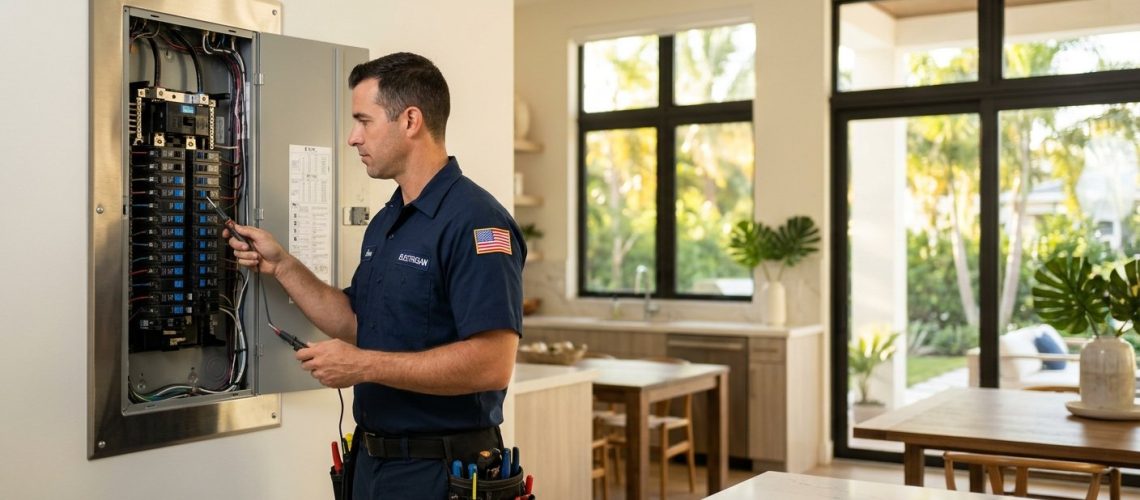
A home electrical safety checklist helps South Florida homeowners identify hidden hazards before they become emergencies. The key areas to inspect are your electrical panel, GFCI outlets, wiring age, surge protection, and smoke detector placement. Homes in Palm Beach, Broward, and Miami-Dade counties face unique risks from humidity, lightning, and hurricane season that make routine electrical safety checks especially important.
- Electrical panels older than 25–30 years may be undersized or unsafe for modern household loads.
- GFCI outlets are required by code in kitchens, bathrooms, garages, and outdoor areas — and should be tested monthly.
- Whole-home surge protection is a critical defense against South Florida’s frequent lightning storms.
- Aluminum wiring in homes built between the late 1960s and mid-1970s requires professional evaluation.
- A licensed residential electrical inspection catches hazards that visual checks cannot — and may be required for home insurance renewals.
Why South Florida Homes Need a Different Approach
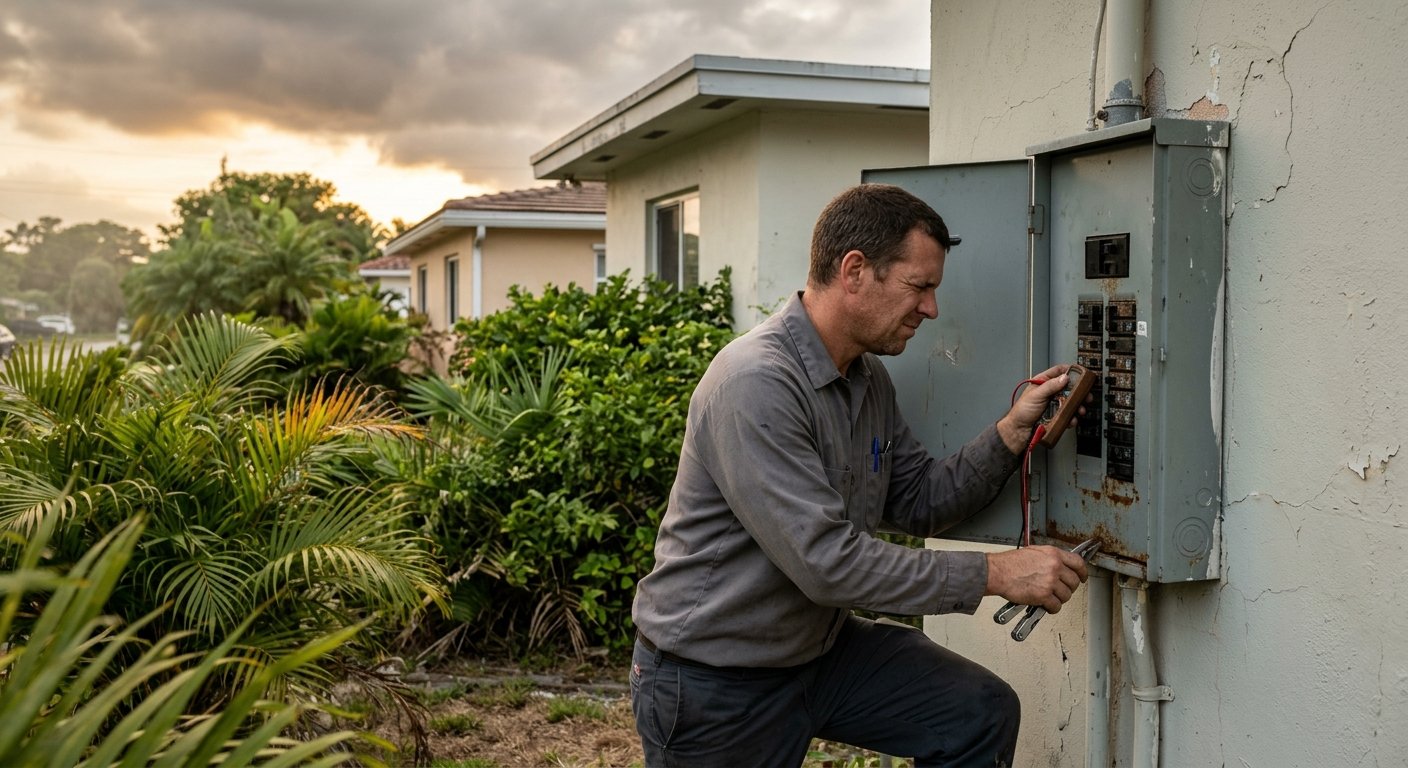
Electrical safety isn’t one-size-fits-all. In South Florida, homes face a combination of challenges that homeowners in other regions simply don’t encounter at the same level: year-round humidity that accelerates corrosion, one of the highest lightning strike densities in the United States, and a hurricane season that runs from June through November. These conditions put real stress on electrical systems, particularly in older homes throughout Boca Raton, Delray Beach, Fort Lauderdale, and the surrounding communities.
The good news is that most electrical hazards are discoverable — if you know where to look. Working through this checklist room by room gives you a clearer picture of your home’s electrical health and helps you decide when to call a licensed electrician before a problem escalates.
This checklist covers visual and functional checks a homeowner can safely perform. Any wiring, panel work, or outlet replacement should always be handled by a licensed electrical contractor. Never open your electrical panel enclosure yourself.
1. Your Electrical Panel: Start Here
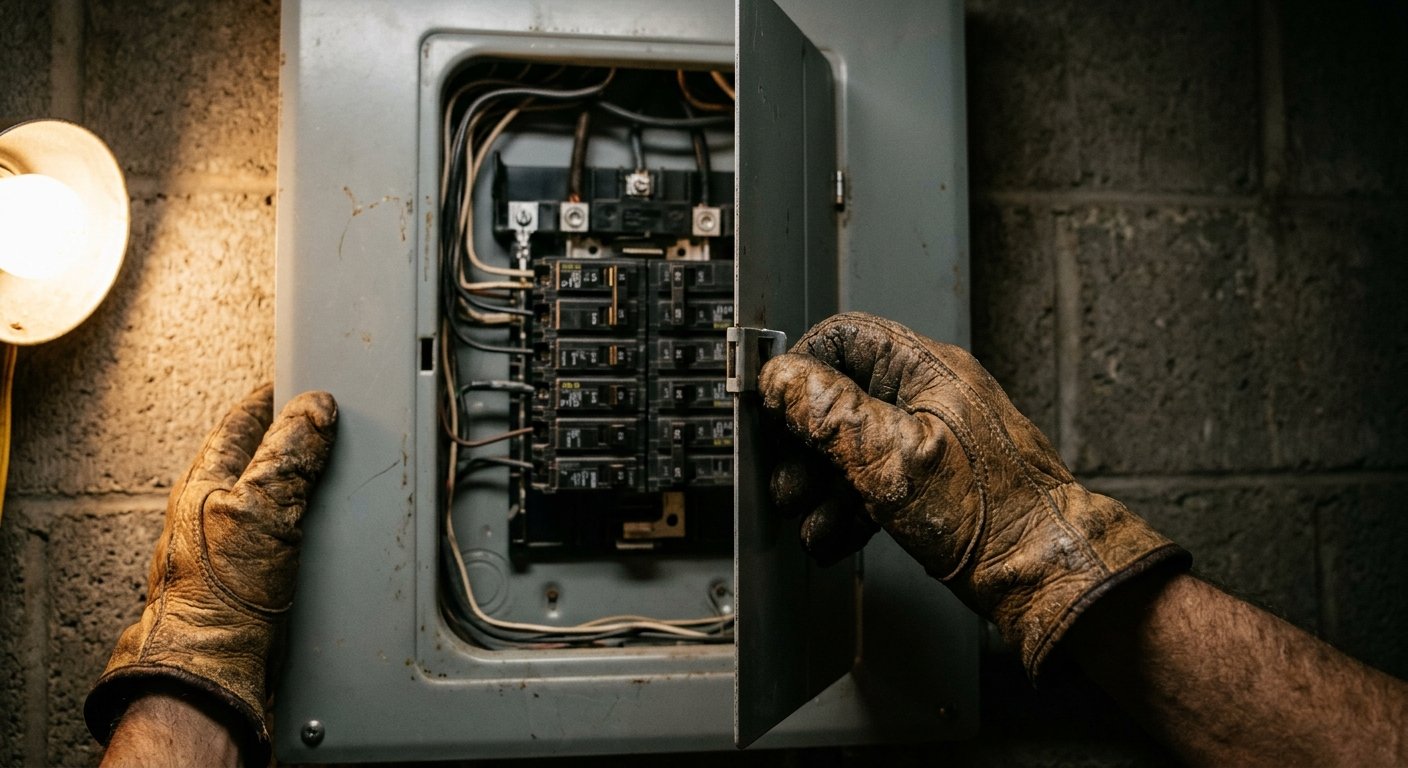
The electrical panel is the heart of your home’s system. A panel that’s undersized, outdated, or damaged puts every circuit in your home at risk. Start your inspection here.
- Check the panel age and brand. Certain panel brands — Zinsco and Federal Pacific Electric (FPC) Stab-Lok in particular — have documented safety concerns that have been studied by electrical engineers and standards organizations. If your panel bears either of these names, contact a licensed electrician for an evaluation.
- Look for signs of heat or moisture damage. Rust, burn marks, or scorch discoloration around breakers are red flags that warrant immediate professional attention.
- Note whether breakers are tripping frequently. A breaker that trips regularly isn’t just inconvenient — it’s signaling that a circuit is being overloaded or that the breaker itself may be failing.
- Assess your amperage capacity. Many South Florida homes built before 1990 have 100-amp service. Modern households with EV chargers, smart home systems, and multiple large appliances often require 200 amps or more. If your home is approaching that limit, an electrical panel upgrade may be appropriate.
2. GFCI and AFCI Outlets: Your First Line of Defense
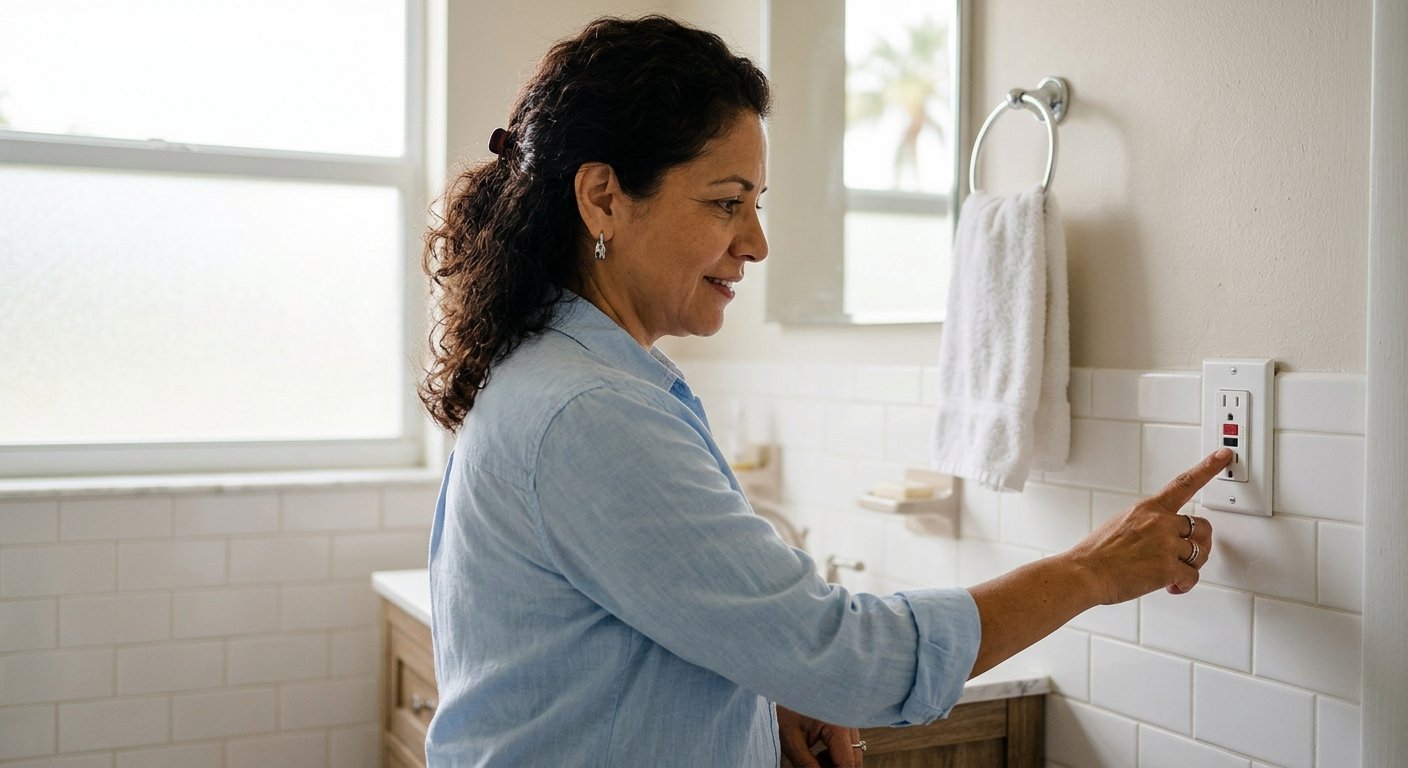
Ground Fault Circuit Interrupters (GFCIs) protect people from electric shock by cutting power within milliseconds when a ground fault is detected. Arc Fault Circuit Interrupters (AFCIs) protect against electrical fires caused by arcing in damaged wiring. Both are required in specific locations under the National Electrical Code (NEC), which is adopted in Florida and enforced at the local level.
Where to Verify GFCI Protection
- All kitchen countertop outlets within 6 feet of a sink
- Every bathroom outlet
- Garage outlets and any outlets serving outdoor spaces
- Unfinished basement or crawl space areas (where applicable)
- Outlets near pools, hot tubs, or outdoor water features
To test a GFCI outlet, press the “TEST” button — the outlet should lose power. Press “RESET” to restore it. If pressing TEST does nothing, or the outlet doesn’t reset, the device needs to be replaced. The U.S. Consumer Product Safety Commission recommends testing GFCI outlets at least once per month.
In South Florida condos and townhomes, GFCI protection on shared exterior outlets is sometimes deferred during construction. If you’ve never tested your outdoor outlets, do it now — especially before storm season ramps up.
3. Wiring Age and Condition
Homes built before 1985 in Palm Beach, Broward, and Miami-Dade counties may have wiring that’s reaching or exceeding its useful life expectancy. This doesn’t automatically mean replacement is needed, but it does mean a closer look is warranted.
Warning Signs to Watch For
- Outlets or switches that feel warm to the touch
- Lights that flicker or dim when appliances run
- A persistent burning smell with no identifiable source
- Two-prong (ungrounded) outlets throughout the home
- Visible cloth-wrapped or aluminum wiring in the attic or panel
Aluminum wiring was commonly installed in homes built between approximately 1965 and 1973. While aluminum wiring itself isn’t automatically dangerous, it requires specific devices and connection methods to remain safe — a fact recognized by the CPSC’s aluminum wiring safety guidance. If your home was built during this period, a professional evaluation is highly recommended.
Wiring that was code-compliant 40 years ago may not safely handle today’s electrical loads — and South Florida’s humidity accelerates the aging process.
4. Surge Protection: Non-Negotiable in South Florida
Florida consistently leads the nation in lightning strike frequency. A direct or nearby lightning strike can send a voltage surge through your home’s wiring that destroys electronics, appliances, and HVAC systems in seconds. Power strip surge protectors offer limited protection at the device level — but they are no substitute for whole-home surge protection installed at the panel.
Whole-home surge protectors work by clamping excess voltage before it reaches your circuits. For South Florida homeowners, this is one of the most practical investments available. Point-of-use surge protectors at sensitive equipment (home theater systems, computers, smart home hubs) add a second layer of protection.
If you’re building out a smart home electrical system, surge protection at the panel level is an essential foundation — not an optional add-on.
Assess Your Current Protection
Check whether you have any surge protection at the panel. If you’re unsure, a licensed electrician can tell you during an inspection.
Install Whole-Home Surge Protection
Have a licensed electrician install a Type 1 or Type 2 surge protective device (SPD) at your main electrical panel.
Add Point-of-Use Protection
Use quality surge protectors (look for UL 1449 listing) at computers, entertainment systems, and smart home equipment.
Replace After a Major Surge Event
Surge protectors absorb damage over time. After a nearby lightning strike or significant power event, have your whole-home SPD inspected.
5. Smoke Detectors and Carbon Monoxide Alarms
Florida law requires smoke alarms in every bedroom, outside each sleeping area, and on every level of the home. While smoke detectors aren’t purely an electrical issue, hardwired detectors with battery backup are far more reliable than battery-only units — and interconnected systems ensure an alarm in the garage triggers alerts throughout the house. Test every detector monthly and replace units older than 10 years.
6. Outdoor and Pool Electrical Safety
South Florida’s outdoor lifestyle means electrical exposure to the elements is higher than in most other regions. Outdoor outlets should be covered with weatherproof, in-use covers (not just standard flip covers). Pool and spa wiring is subject to strict NEC requirements and should be inspected periodically — particularly the bonding system that protects swimmers from electric shock drowning, a risk that is silent and invisible.
When to Schedule a Professional Electrical Inspection
Some hazards simply aren’t visible without the right tools and training. A professional residential electrical inspection goes beyond what this checklist can accomplish — it includes thermal imaging, load testing, and a code compliance review that may be required when refinancing your home or renewing certain homeowner’s insurance policies in Florida.
Consider scheduling a professional inspection if your home is more than 20 years old, you’ve recently purchased the property, you’re adding a major load (such as an EV charger — see our guide on choosing between Level 2 and Level 3 EV chargers), or if any of the warning signs in this checklist apply to your home.
Frequently Asked Questions
How often should I have my home’s electrical system professionally inspected?
For most South Florida homes, a professional electrical inspection every 5 to 10 years is a reasonable baseline. Homes older than 25 years, homes with aluminum wiring, or homes where you’ve noticed warning signs like flickering lights or tripping breakers should be inspected sooner. Your insurer may also require an inspection report for policy renewal.
What are the most common electrical hazards in South Florida homes?
The most common hazards include outdated or undersized electrical panels, missing or non-functional GFCI protection near water sources, aging wiring, lack of whole-home surge protection, and improperly installed outdoor or pool electrical systems. Humidity accelerates corrosion on connections and breakers, making these issues more likely in our climate than in drier regions.
Is it safe to replace an outlet myself?
Simple outlet replacement may seem straightforward, but it involves working with live wiring and carries real shock and fire risks if done incorrectly. In Florida, electrical work in most jurisdictions requires a licensed contractor. For safety and code compliance, it’s best to leave outlet replacement — especially GFCI installation — to a licensed electrician.
Do I need a permit for electrical work in South Florida?
Yes. Most electrical work beyond simple device replacements requires a permit in Palm Beach, Broward, and Miami-Dade counties. This includes panel upgrades, new circuit installations, and EV charger wiring. Permitted work is inspected by the local authority, which protects you legally and confirms the work meets current safety codes.
What does an 8-year workmanship warranty mean for homeowners?
It means that if a workmanship defect arises from electrical work performed by Global Power & AC Corp within 8 years of installation, it will be addressed at no additional cost to you. This is significantly longer than industry-standard warranties and reflects the company’s confidence in the quality of its craftsmanship.
Schedule Your Home Electrical Safety Inspection
Global Power & AC Corp is a licensed and insured electrical contractor serving Palm Beach, Broward, and Miami-Dade counties — with same-day service available and an 8-year warranty on all workmanship.

About Global Power & AC Corp
Global Power & AC Corp is a trusted electrical contractor serving homeowners and businesses throughout South Florida's Palm Beach, Broward, and Miami-Dade counties. The company specializes in residential electrical services including panel upgrades, EV charger installation, standby generators, smart home integration, and comprehensive electrical safety solutions. With a commitment to quality craftsmanship backed by an 8-year warranty and same-day service availability, Global Power & AC Corp combines family-owned values with corporate-level professionalism to deliver reliable electrical solutions tailored to South Florida's unique climate challenges. Visit globalpowerpb.com →