
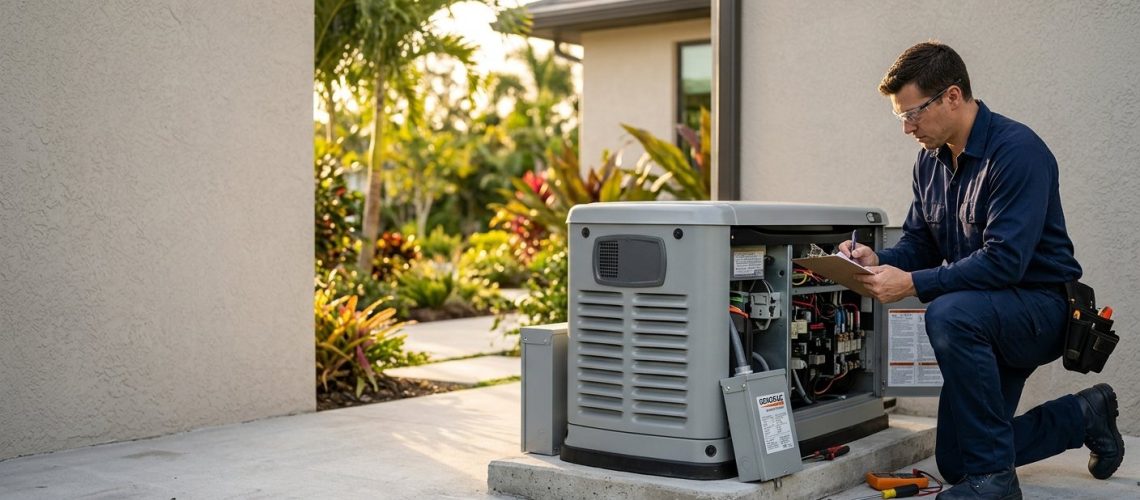
Standby generator installation is a multi-step process that typically involves a site assessment, permit approval, electrical panel work, gas line connection, and final inspection — all completed by licensed professionals. For South Florida homeowners in Palm Beach, Broward, and Miami-Dade counties, understanding each phase helps you plan ahead and avoid delays before the next hurricane season.
- Whole-house standby generators require permits in Florida — no permit means no legal protection and potential code violations.
- The installation process spans several days and involves coordination between an electrical contractor and a gas utility provider.
- Your home’s electrical panel may need an upgrade before a generator can be safely connected.
- An automatic standby generator activates on its own within seconds of a power outage — no manual startup required.
- Working with a licensed, insured contractor protects your investment and ensures code compliance throughout.
Why South Florida Homeowners Are Prioritizing Backup Power
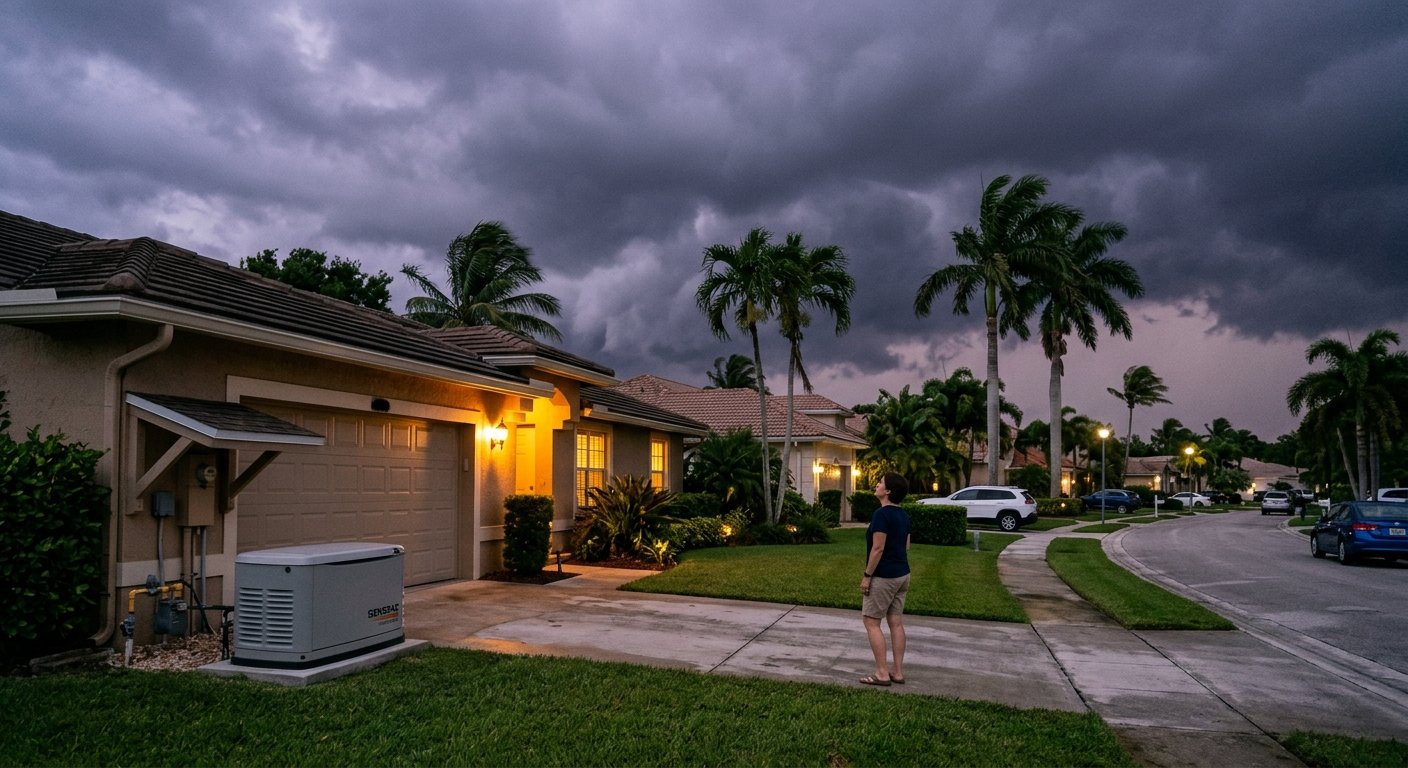
South Florida’s hurricane season runs from June through November, and the region’s exposure to tropical storms makes reliable backup power less of a luxury and more of a necessity. According to the U.S. Department of Energy, power outages cost American households and businesses billions of dollars annually — and extended outages in Florida’s heat and humidity can quickly become a health and safety emergency.
Beyond storms, aging grid infrastructure across Palm Beach and Broward counties means even routine weather events can knock power out for hours. A whole-house generator solves this problem automatically, keeping your HVAC system, refrigerator, medical equipment, and security systems running without interruption. If you’re considering hurricane power backup for your home, understanding the installation process from start to finish makes the entire experience smoother.
Size matters with generators. A licensed electrical contractor will calculate your home’s load requirements before recommending a unit — don’t rely solely on manufacturer marketing materials to choose your generator’s capacity.
Step-by-Step: How Standby Generator Installation Works
The installation of an automatic standby generator is not a single-afternoon project. It’s a coordinated process that requires careful planning, proper permitting, and skilled craftsmanship at every stage. Here’s what homeowners can realistically expect.
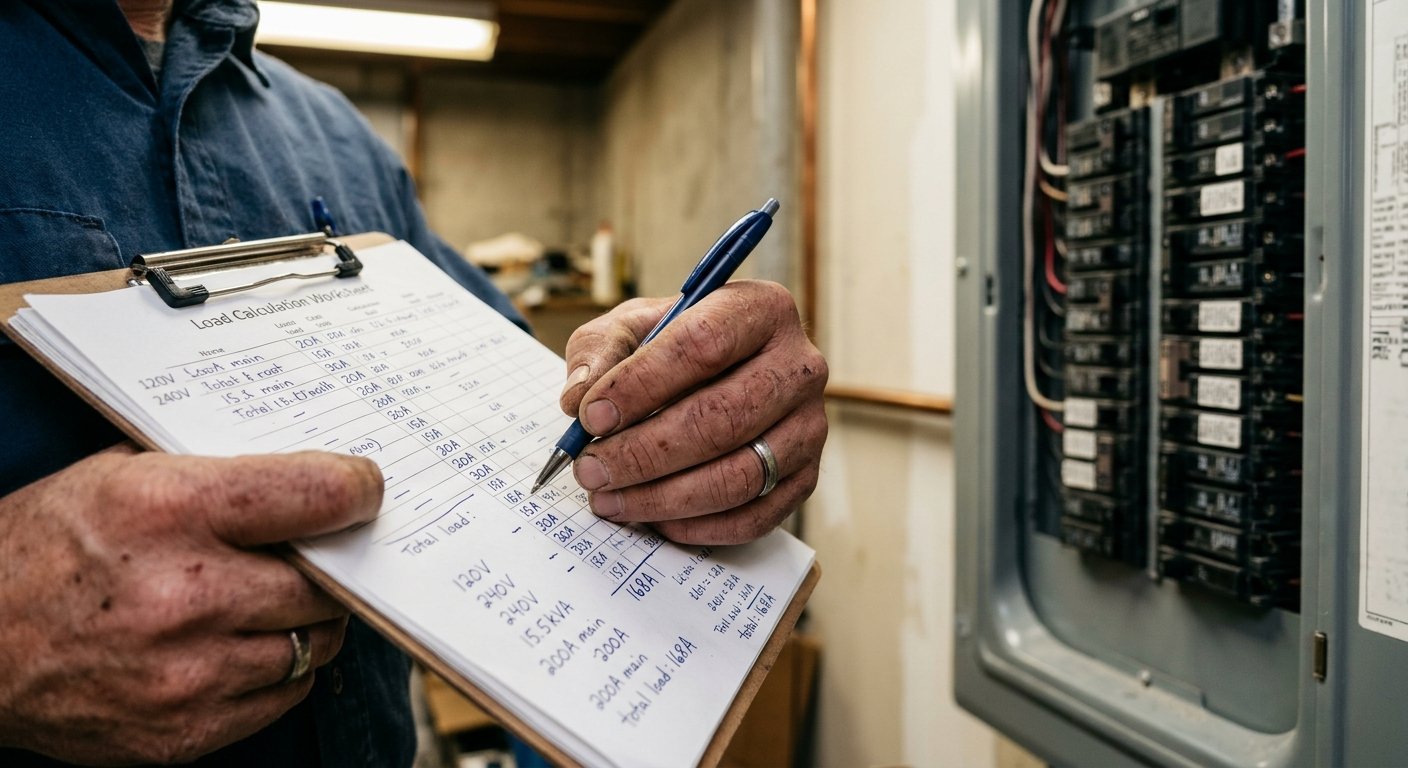
Site Assessment and Load Calculation
A licensed electrician visits your home to evaluate available space for the generator unit, assess your electrical panel, and calculate your home’s power load. This determines what size generator you need. The unit must be placed according to local building codes — typically a minimum distance from windows, doors, and gas meters.
Permit Application
In Florida, a permit is required for generator installation. Your contractor submits plans to the local building department — whether that’s in West Palm Beach, Fort Lauderdale, or Miami-Dade County. Permit timelines vary by municipality, often ranging from a few days to a couple of weeks. A reputable contractor handles this paperwork on your behalf.
Electrical Panel Preparation
Before the generator can be connected, your electrical panel must be evaluated for compatibility. Older panels may need an upgrade to support the additional load. Your contractor will also install a transfer switch — the critical device that safely disconnects your home from the utility grid during an outage and reconnects it when power is restored. Learn more about electrical panel upgrades and what’s involved.
Gas Line Connection
Whole-house standby generators typically run on natural gas or propane. A licensed plumber or gas contractor runs the fuel line to the generator pad. This step is coordinated separately from the electrical work and must also meet local code requirements.
Generator Placement and Electrical Connection
The generator unit is positioned on a concrete pad (often poured as part of the project), and the electrical connections are made between the generator, transfer switch, and your home’s panel. This is where skilled craftsmanship matters — poor wiring at this stage creates serious safety risks.
Testing and Final Inspection
Once installation is complete, the system is tested under load to verify it operates correctly. A building inspector then conducts a final inspection to confirm everything meets Florida Building Code standards. After approval, your generator is fully operational.
Permits and Code Compliance in Florida
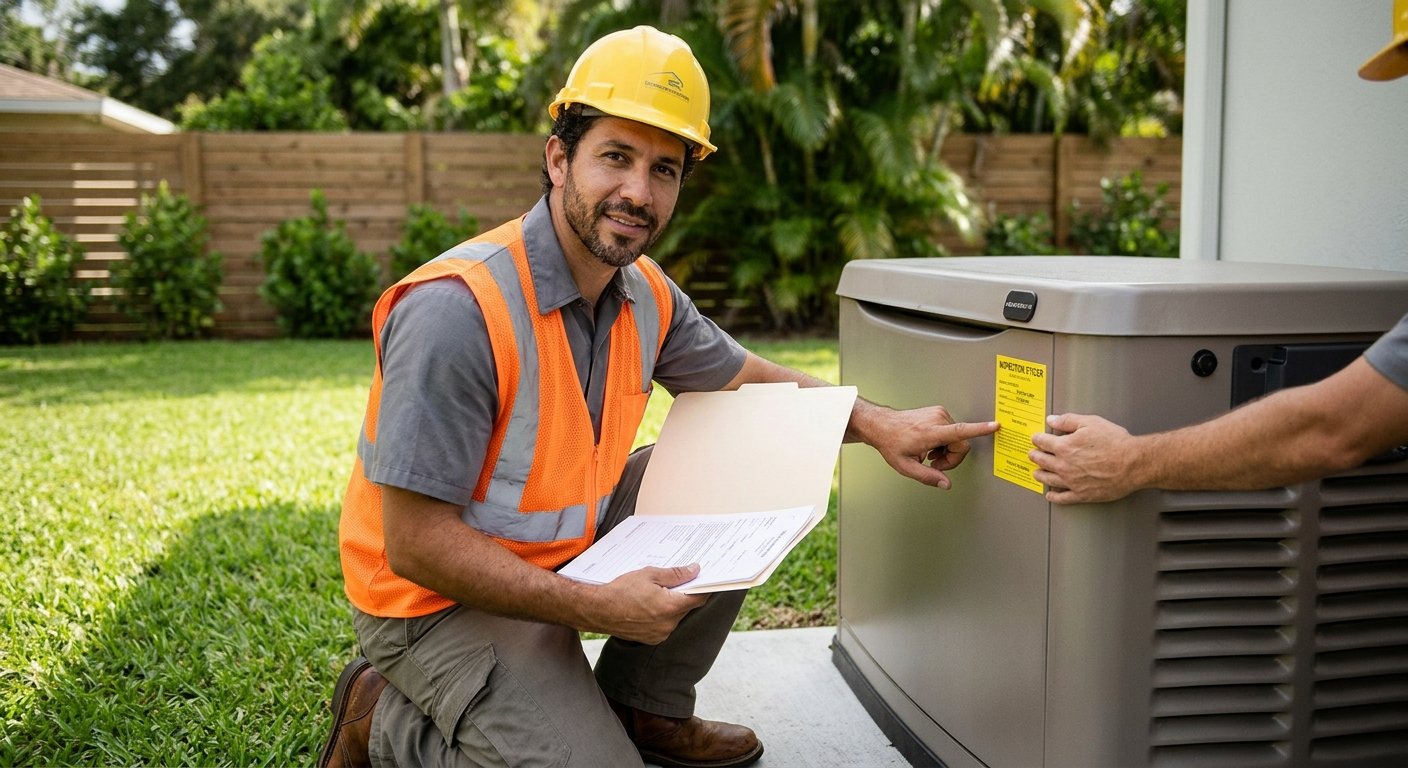
Florida takes generator installation seriously. The Florida Building Code requires permits for permanent standby generator installations, and local municipalities enforce their own additional requirements. Skipping the permit process isn’t just risky — it can void your homeowner’s insurance, create problems when selling your home, and expose you to fines.
A licensed electrical contractor manages the permitting process as part of the installation. At Global Power & AC Corp, we handle permit applications across Palm Beach, Broward, and Miami-Dade counties, so homeowners don’t have to navigate that process alone. Our team has deep familiarity with local building departments and what inspectors look for.
Never hire an unlicensed contractor to install a standby generator. In Florida, performing electrical work without a license is illegal, and unpermitted generator installations can leave homeowners financially and legally exposed — especially after storm damage claims.
Does Your Electrical Panel Need an Upgrade First?
This is one of the most common questions homeowners ask before a backup generator installation — and for good reason. Older homes in Boca Raton, Delray Beach, or Boynton Beach may have electrical panels that are 20, 30, or even 40 years old. These panels were designed for a fraction of today’s electrical demands.
A generator electrical connection requires a transfer switch and sufficient panel capacity to safely distribute backup power throughout your home. If your panel is undersized or uses outdated breaker technology, your electrician will recommend an upgrade before proceeding. This isn’t upselling — it’s a safety and code requirement. Visit our panel upgrade service page for a full overview of what that process involves.
| Factor | Panel Upgrade Needed | Panel Ready to Go |
|---|---|---|
| Panel age | 20+ years old | Less than 10 years old |
| Amperage | 100A or less | 200A service |
| Breaker type | Fuses or recalled brands | Modern circuit breakers |
| Available circuits | Panel is full | Space for transfer switch |
Automatic vs. Manual Standby Generators: A Quick Comparison
Most whole-house generator systems installed today are automatic standby generators — they detect a power outage and start within seconds without any action from the homeowner. This is particularly valuable during nighttime storms or when homeowners are away from the property. Manual transfer systems exist but require someone to physically start the generator and switch the transfer switch, which is not practical during a severe weather event.
For most South Florida homeowners, an automatic standby generator connected to natural gas is the most reliable option. Propane is an alternative where natural gas lines aren’t available — particularly in more rural areas of Palm Beach County. Your contractor will help you evaluate which fuel source makes the most sense for your property and budget.
Interested in making other smart upgrades to your home’s electrical system? Our team also specializes in EV charger installation — and if you’re weighing charger options, our blog covers Level 2 vs. Level 3 EV charger differences in detail.
An automatic standby generator activates within seconds of an outage — protecting your home before you even realize the power is gone.
Frequently Asked Questions
How long does standby generator installation take?
The physical installation typically takes one to two days once permits are approved. However, the full timeline — from initial assessment through final inspection — often spans two to four weeks depending on permit processing times in your local municipality and gas line work scheduling. Planning ahead of hurricane season is strongly recommended.
What size generator do I need for a whole house?
Generator sizing depends on your home’s square footage, the appliances you want to power, and your electrical panel’s capacity. A licensed electrician performs a load calculation to determine the right size. Oversizing wastes fuel; undersizing risks overloading the system. This is why a professional assessment is essential before purchasing a unit.
Is a permit always required for generator installation in Florida?
Yes. Florida Building Code requires permits for permanent standby generator installations. Each county and municipality may have additional requirements. Your licensed contractor is responsible for pulling the necessary permits and scheduling inspections — this is a non-negotiable part of a code-compliant installation.
Can I install a standby generator myself?
No. Generator electrical connection involves work on your main electrical panel, transfer switch wiring, and coordination with gas utility providers — all of which require licensed professionals in Florida. Attempting this work without proper licensing is illegal and creates serious safety and insurance risks.
What maintenance does a standby generator need after installation?
Standby generators require periodic maintenance including oil and filter changes, spark plug inspection, battery checks, and load testing. Most manufacturers recommend annual professional servicing. The generator itself performs a short self-test automatically each week to confirm it’s ready to operate — but professional maintenance keeps it running reliably for the long term.
Ready to Install Backup Power Before Storm Season?
Contact Global Power & AC Corp for a professional site assessment — we handle everything from permits to final inspection, backed by our 8-year workmanship warranty and same-day service availability across Palm Beach, Broward, and Miami-Dade counties.

About Global Power & AC Corp
Global Power & AC Corp is a trusted electrical contractor serving homeowners and businesses throughout South Florida's Palm Beach, Broward, and Miami-Dade counties. The company specializes in residential electrical services including panel upgrades, EV charger installation, standby generators, smart home integration, and comprehensive electrical safety solutions. With a commitment to quality craftsmanship backed by an 8-year warranty and same-day service availability, Global Power & AC Corp combines family-owned values with corporate-level professionalism to deliver reliable electrical solutions tailored to South Florida's unique climate challenges. Visit globalpowerpb.com →